Earthquakes and Sewer Lines in Southern California
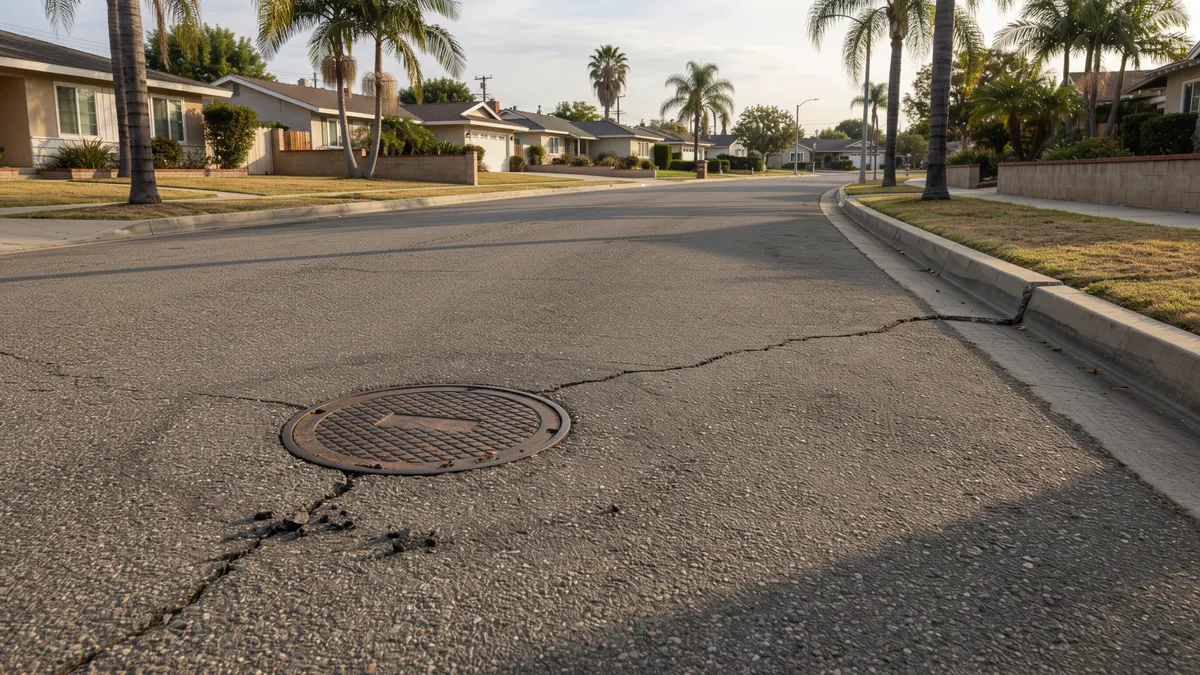
Table of contents
- How Ground Movement Affects Pipes
- Which Pipes Are More Vulnerable
- What to Check After a Significant Earthquake
- When to Get a Camera Inspection
- Insurance and Responsibility
- Preparing Before the Next Quake
- Why Baseline Footage Helps
- Questions Homeowners Ask
- Should I inspect my sewer line after every earthquake?
- Can a new pipe resist earthquakes better?
- Does an earthquake always break sewer pipes?
- Next Step
Earthquakes and sewer lines are a real combination in Southern California, because buried pipes move with the ground and can be stressed when it shakes or shifts. A sewer line can be damaged without any visible sign at the surface, so it is sensible to know what to check after a significant quake. This guide explains how ground movement can affect pipes, which pipes are more vulnerable and what to do afterward.
How Ground Movement Affects Pipes
A buried pipe depends on the soil around it for support. Strong shaking can loosen that support, and the ground can settle or shift. Pipe sections can crack, pull apart at joints or move out of line. Gravity sewers also depend on slope, so even a small change in grade can create a low spot that holds waste. Our guide to bellied sewer lines explains how that happens.
Which Pipes Are More Vulnerable
Rigid, jointed pipes such as older clay or cast iron cannot flex much, so ground movement can break or separate them. Homes of the 1960s and earlier often have these materials, as covered in sewer line problems in 1960s homes. Pipes with many joints have more places where movement can cause a gap, and aging or already damaged pipe can fail more easily under stress.
A sewer line can be damaged by ground movement without any sign at the surface. A camera inspection is the dependable way to find out.
Damage can be hidden below ground with nothing showing at the surface.
What to Check After a Significant Earthquake
- Water and drains. Notice slow drains, gurgling or backups in the days after.
- Odors and wet spots. Sewer smells or damp areas in the yard can indicate a break. See signs of a broken sewer line in your yard.
- Sunken ground or cracks near the path of the line.
- Cleanout. If it is accessible, check that it is in place and not damaged. See where the cleanout is.
- The street and neighbors. If several homes have the same problem, the public main may be affected, and the city or sanitation district should be called.
When to Get a Camera Inspection
If you notice any of these signs, or if the line is old and the quake was strong, a sewer camera inspection shows cracks, offsets, sags and breaks. Keep the footage, since it documents the condition and may matter for insurance. Our guide to reading a camera report explains the findings.
Insurance and Responsibility
Standard homeowners policies often exclude earthquake damage unless there is separate coverage, so read your policy. Our guide on whether homeowners insurance covers a sewer backup covers the basics. If the damage is in the public main, it is generally the agency’s responsibility, while the private lateral is generally the owner’s. See who is responsible for the sewer lateral.
Preparing Before the Next Quake
- Know where your cleanout is. See where the cleanout is.
- Consider baseline camera footage, especially for an older line. It shows the pipe’s condition before an event, which makes changes easier to see afterward.
- Review your insurance for what is and is not covered.
- Keep contact information for providers and for your city or sanitation district.
Why Baseline Footage Helps
After an earthquake, it is hard to tell whether a crack or offset is new or old. A recording from before the event answers that. It also helps when documenting a claim. See how to read a camera report.
Questions Homeowners Ask
Should I inspect my sewer line after every earthquake?
Not necessarily after every minor event. After a strong quake, or if you notice symptoms, an inspection is reasonable.
Can a new pipe resist earthquakes better?
Continuous plastic pipe with fewer joints is generally more flexible than older rigid pipe, but installation quality and soil support matter. Ask your provider.
Does an earthquake always break sewer pipes?
No. Many lines come through without damage. The point is that damage can be hidden, so symptoms and inspection matter.
Next Step
If you notice drain problems after an earthquake, call now to speak to a specialist at (562) 603-5090, available 24/7, and ask about a camera inspection.
Have a Question About Your Sewer Line?
Call any time to be connected with a local service provider and ask about a camera inspection and its cost. Or send a message and ask about your situation.
Related Guides

Sewer Line Problems in 1960s Homes in California
Homes built in the 1960s often have clay, cast iron or fiber sewer pipes now past 60 years old. Learn the common problems and how to check your line.
Read more →
How to Read a Sewer Camera Inspection Report
Distance counters, clock positions and terms like offset or belly can be confusing. Here is how to read your sewer camera footage and report.
Read more →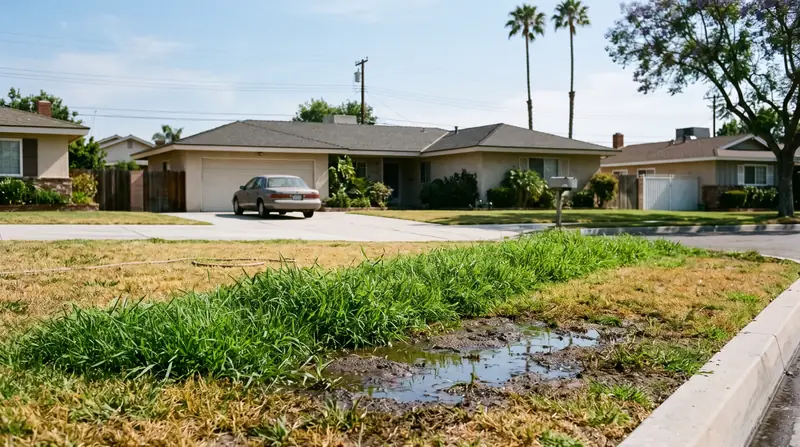
Signs of a Broken Sewer Line in Your Yard
Soggy ground, a greener patch of lawn, sewage smells and sinking soil can point to a broken sewer line. Learn the warning signs and what to do next.
Read more →