Sewer Backup Cleanup: What to Do in the First 24 Hours
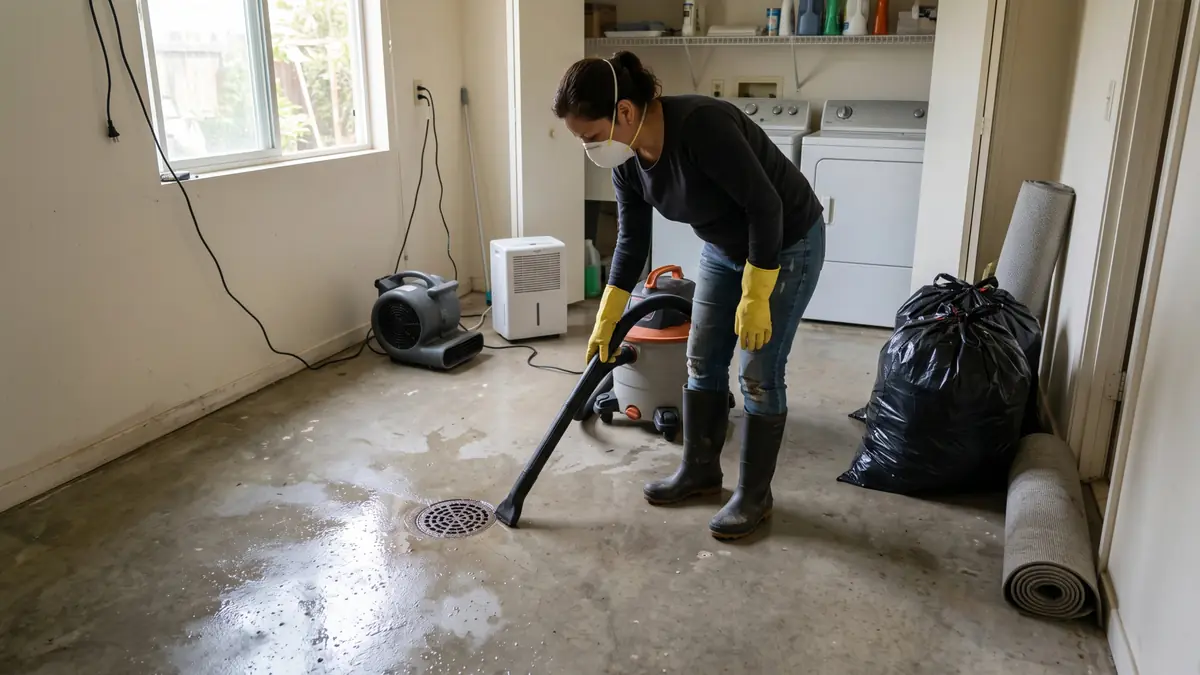
Table of contents
- First, Make Sure the Backup Has Stopped
- Safety Before Anything Else
- Hour 1: Document Everything
- Hours 1 to 4: Remove Water and Waste
- What to Throw Away and What to Keep
- Hours 4 to 24: Clean, Disinfect and Dry
- When to Call a Professional Cleanup Company
- Insurance: What to Do Within 24 Hours
- If the Backup Came From the City Main
- Stop It From Happening Again
- The Bottom Line
A sewer backup is stressful, and the mess it leaves behind can feel overwhelming. Once the line is cleared and drains are working again, the next 24 hours matter most. This sewer backup cleanup guide explains how to stay safe, what to keep, what to throw away and what to save for your insurance claim.
Treat sewage as a health hazard: stop using water, keep people and pets away, and document the damage for insurance before cleaning.
First, Make Sure the Backup Has Stopped
Do not start cleaning while sewage can still come up. Until the cause is cleared, every flush or shower can send more water into the house.
If sewage is still rising, stop using water and call for emergency sewer repair. A cleared line and a camera check come first; cleanup comes after.
Safety Before Anything Else
Sewage carries bacteria and viruses, so treat every wet surface as contaminated.
- Protect yourself. Wear rubber gloves, rubber boots and eye protection. A mask helps in small, closed rooms.
- Keep others out. Children, pets and anyone with a weak immune system should stay away from the area.
- Watch for electrical risk. Do not walk through standing water near outlets or appliances. If water has reached electrical parts, turn off power at the breaker only if you can do so from a dry spot, or call an electrician.
- Open windows. Fresh air lowers odors and helps the room start drying.
- Never mix cleaners. Bleach mixed with ammonia or other cleaners can create dangerous fumes.
Hour 1: Document Everything
Before you move or throw anything away, take photos and video of the damage. Capture the water line on walls, wet flooring, damaged furniture and the drain where the backup started.
Keep the technician's camera video and invoice too. They show what caused the backup, which can help with an insurance claim.
Hours 1 to 4: Remove Water and Waste
- Remove standing water. Use a wet vacuum or mop and bucket, and pour the waste into a toilet once drains are working.
- Bag solid waste. Scoop debris into heavy trash bags and tie them closed.
- Lift items off the floor. Move anything not yet soaked to a dry room.
- Start air movement. Run fans and a dehumidifier if you have them, once the area is safe.
What to Throw Away and What to Keep
Sewage soaks into soft, porous materials and is very hard to clean out of them. As a general rule:
| Usually throw away | Can often be cleaned |
|---|---|
| Carpet and carpet pad | Tile, sealed concrete and vinyl floors |
| Upholstered furniture and mattresses | Metal, glass and hard plastic items |
| Cardboard boxes and paper | Solid wood furniture, if dried quickly |
| Stuffed toys and pillows | Washable clothing, on a hot cycle |
| Food, medicine and cosmetics that got wet | Sealed cans, after cleaning the outside |
| Soaked drywall and insulation | Wall studs, once dried and disinfected |
When in doubt, throw it out. Photograph each item before it goes, for your claim.
Hours 4 to 24: Clean, Disinfect and Dry
Once the waste is out, clean every hard surface that the water touched:
- Wash first. Scrub floors and the lower part of walls with hot water and detergent to remove dirt.
- Then disinfect. Use a household disinfectant, following the label directions for contact time.
- Dry fast. Keep fans and a dehumidifier running. Mold can start growing within a day or two on damp materials.
- Wash yourself. Wash hands well after cleaning, and wash work clothes separately in hot water.
When to Call a Professional Cleanup Company
Small backups on a tile or concrete floor can often be handled yourself. A water damage and restoration company is the safer choice when:
- Sewage covers a large area or more than one room
- Carpet, drywall or wood floors are soaked
- Water reached the walls above the baseboard
- Anyone in the home has health concerns
- You notice a musty smell or mold a few days later
Insurance: What to Do Within 24 Hours
Call your insurer as soon as you can. Standard policies often do not cover sewer backups, but many insurers sell a sewer backup add-on, so check what your policy includes.
Have your photos, the list of thrown-away items, receipts for cleanup supplies and the technician's camera video and invoice ready.
If the Backup Came From the City Main
Sometimes the blockage is not in your line at all, but in the public sewer main under the street. When that happens, several homes on the block may back up at once.
The camera video shows where the blockage sits. If it is past the point where your lateral meets the main, report it to the city right away and keep a copy of the footage. The city is usually responsible for the public main, and your photos and video help support any claim.
Stop It From Happening Again
Cleaning up fixes the mess, not the cause. Backups usually come from roots, grease, wipes or a damaged section of pipe. A sewer camera inspection shows which one, and our guide on how to read a sewer camera inspection report helps you understand the results.
Simple habits help too. Keep grease out of sinks, and see why flushable wipes are not safe for your line. Our sewer line maintenance checklist covers the rest. If the camera shows damage, ask the service provider about the repair options and pricing.
The Bottom Line
Good sewer backup cleanup comes down to staying safe, documenting the damage, removing soaked materials and drying the room fast. Then fix the cause, so you do not have to do it again.
If sewage is backing up right now, call Cerritos Sewer Co. at (562) 603-5090. Call any time, day or night.
Have a Question About Your Sewer Line?
Call any time to be connected with a local service provider and ask about a camera inspection and its cost. Or send a message and ask about your situation.
Related Guides

Signs of a Broken Sewer Line in Your Yard
Soggy ground, a greener patch of lawn, sewage smells and sinking soil can point to a broken sewer line. Learn the warning signs and what to do next.
Read more →
Sewer Smell in the House: Common Causes and What to Do
A sewer smell in the house can come from a dry drain trap, a vent problem or a damaged sewer line. Learn the common causes and when to call for help.
Read more →
Why Does My Toilet Gurgle When the Washing Machine Drains?
A toilet that gurgles when the washing machine drains can mean a partial blockage or a vent problem in your main sewer line. Learn the causes and next steps.
Read more →