Sewer Line Maintenance Checklist for Older Homes
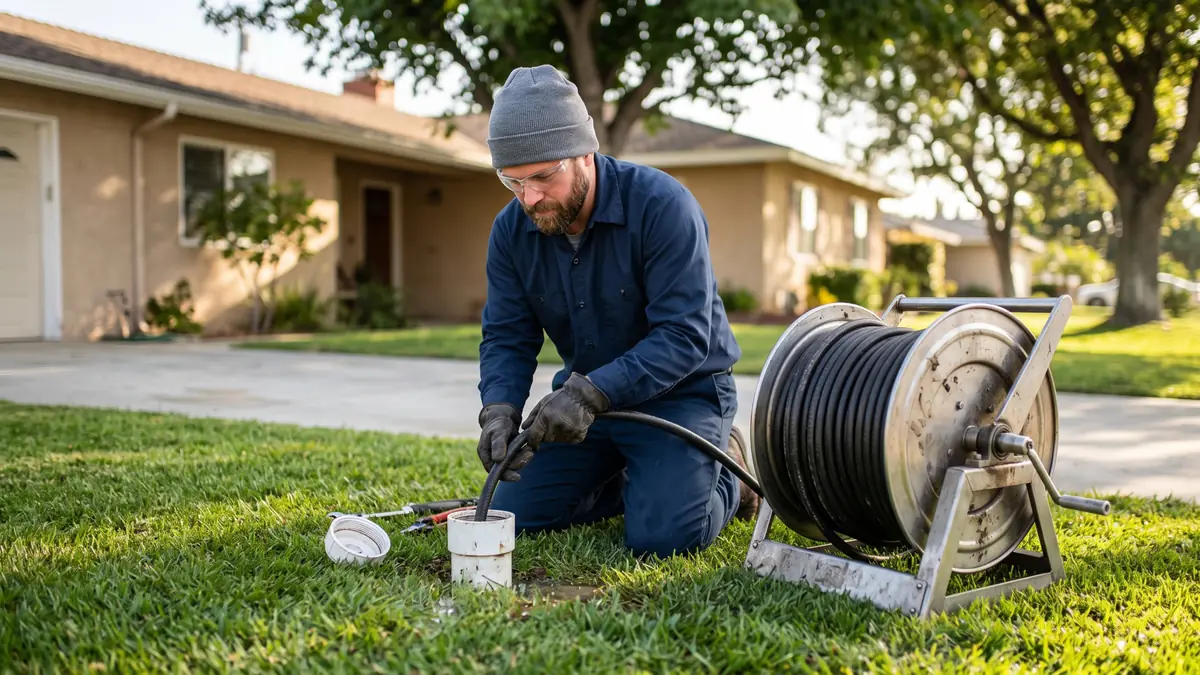
Table of contents
- Why Older Lines Need More Attention
- Every Day: Habits That Protect the Pipe
- Every Month: Quick Checks
- Every Year: Plan Around Trees and Roots
- Every Few Years: Camera Check the Line
- Professional Cleaning: Snaking vs Hydro Jetting
- Snaking (cable machine)
- Hydro jetting
- What to Avoid
- When Maintenance Is No Longer Enough
- Your Sewer Line Maintenance Checklist at a Glance
- What Maintenance Costs
- The Bottom Line
A sewer line that is 50 or 60 years old does not have to fail suddenly. With a few simple habits and the occasional cleaning, many older lines keep working for years longer. This sewer line maintenance checklist covers what to do every month, every year and every few years.
Small habits add up: keep grease and wipes out of the line, know where your cleanout is and schedule camera checks for older lines.
Why Older Lines Need More Attention
Many homes built in the 1950s, 1960s and 1970s still have their original clay, cast iron or Orangeburg sewer line. Each of these gets weaker with age: clay joints let roots in, cast iron builds up scale, and Orangeburg slowly flattens.
Regular care will not make an old pipe new, but it slows the damage and gives you an early warning. Learn more in our guide on how long a sewer line lasts.
Every Day: Habits That Protect the Pipe
- Keep grease out of the sink. Let cooking grease cool, then put it in the trash. It hardens inside the line and catches everything else.
- Flush only toilet paper. Wipes, paper towels, cotton swabs and feminine products belong in the trash. Read why flushable wipes are not safe for most sewer lines.
- Use sink strainers. Catch food scraps, coffee grounds and hair before they go down the drain.
- Go easy on the disposal. Fibrous and starchy foods like peels, rice and pasta can build up in the line.
Every Month: Quick Checks
These take only a few minutes and help you spot trouble early:
- Listen to the drains. Gurgling toilets or tubs when another fixture drains can mean a partial blockage.
- Watch drain speed. Note if more than one drain is slowing down at the same time.
- Check the cleanout cap. Make sure it is closed, uncracked and easy to find.
- Look at the yard. Watch for soggy, sunken or extra-green strips along the line.
Every Year: Plan Around Trees and Roots
Roots are the biggest threat to clay sewer lines. If you have large trees near the line, think about them once a year:
- Know roughly where your sewer line runs from the house to the street.
- Avoid planting new large trees or thirsty shrubs right over the line.
- If roots have been found before, schedule a cleaning before they block the pipe.
Homes with large trees or heavy kitchen use often benefit from a professional cleaning every one to two years. Other homes may only need it when a problem shows up.
Every Few Years: Camera Check the Line
A sewer camera inspection is the only way to see what is happening inside the pipe. For an older home, a camera check every few years shows whether roots, cracks or sags are getting worse.
Keep each video. Comparing them over time tells you whether the line is stable or heading toward a repair. Our guide on how to read a sewer camera inspection report explains what to look for.
Professional Cleaning: Snaking vs Hydro Jetting
When the line does need cleaning, there are two main options:
Snaking (cable machine)
A rotating cable punches through a clog. It is quick and works well for a single simple blockage, but it often leaves grease and fine roots on the pipe walls.
Hydro jetting
High-pressure water scours the full width of the pipe and flushes roots, grease and scale out to the city sewer. The line stays clear longer after jetting.
For an older line with roots or heavy grease, hydro jetting is usually the better maintenance choice, as long as the camera shows the pipe is strong enough for high pressure.
What to Avoid
- Chemical drain cleaners. They rarely clear a main line clog and can be harsh on older pipe.
- Ignoring repeat clogs. A clog that keeps coming back usually means a damaged joint or a root problem, not bad luck.
- Jetting a fragile pipe. Badly cracked or collapsed sections should be repaired, not blasted with high pressure.
- Waiting for a backup. Fixing a problem on a weekday is far cheaper than an emergency call at night.
When Maintenance Is No Longer Enough
At some point, cleaning only buys time. If roots return every few months, or the camera shows cracks spreading along the line, it is time to think about a lasting fix.
A pipe that is cracked but still round is often a good fit for pipe relining, which seals the joints so roots cannot get back in. A line that has collapsed or sags badly usually needs sewer line replacement.
Your Sewer Line Maintenance Checklist at a Glance
| How often | What to do |
|---|---|
| Every day | Keep grease, wipes and food scraps out of the drains |
| Every month | Listen for gurgling, watch drain speed, check the cleanout and yard |
| Every year | Think about trees and roots near the line |
| Every 1 to 2 years | Professional cleaning if you have roots or heavy grease |
| Every few years | Camera inspection for older lines |
What Maintenance Costs
A camera inspection and hydro jetting usually cost far less than a spot repair, and a spot repair usually costs far less than a full replacement. Ask the service provider about pricing.
The Bottom Line
Good sewer line maintenance is mostly simple habits, a few quick checks and a cleaning or camera run every so often. It will not stop an old pipe from aging, but it can keep it working longer and warn you before a backup.
Call Cerritos Sewer Co. at (562) 603-5090 to ask about a camera inspection or cleaning and its cost.
Have a Question About Your Sewer Line?
Call any time to be connected with a local service provider and ask about a camera inspection and its cost. Or send a message and ask about your situation.
Related Guides
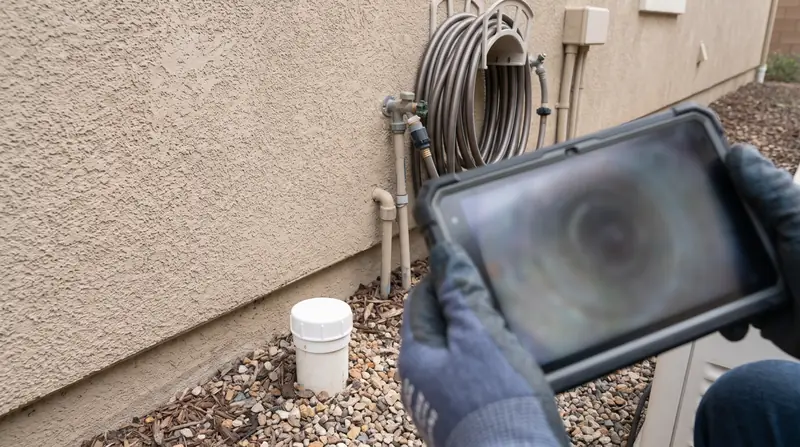
How Often Should a Main Sewer Line Be Jetted or Cleaned?
There is no one-size schedule for cleaning a main sewer line. Learn what affects how often it needs attention and when a camera check makes sense.
Read more →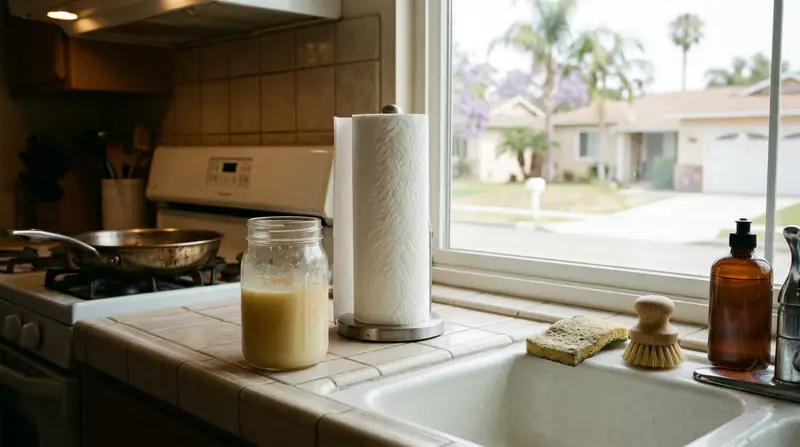
Cooking Grease and Sewer Clogs: How to Prevent Them
Cooking grease cools and hardens inside sewer pipes, causing clogs and backups. Learn how to dispose of grease properly and protect your sewer line.
Read more →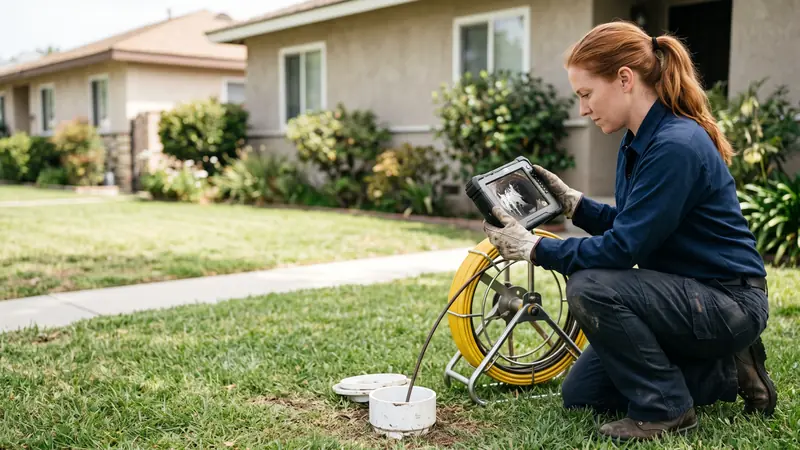
Are Flushable Wipes Safe for Your Sewer Line?
The package says flushable, but your sewer line may disagree. Why wipes cause clogs and what to flush instead.
Read more →