Hydro Jetting Cost Factors and When It Makes Sense
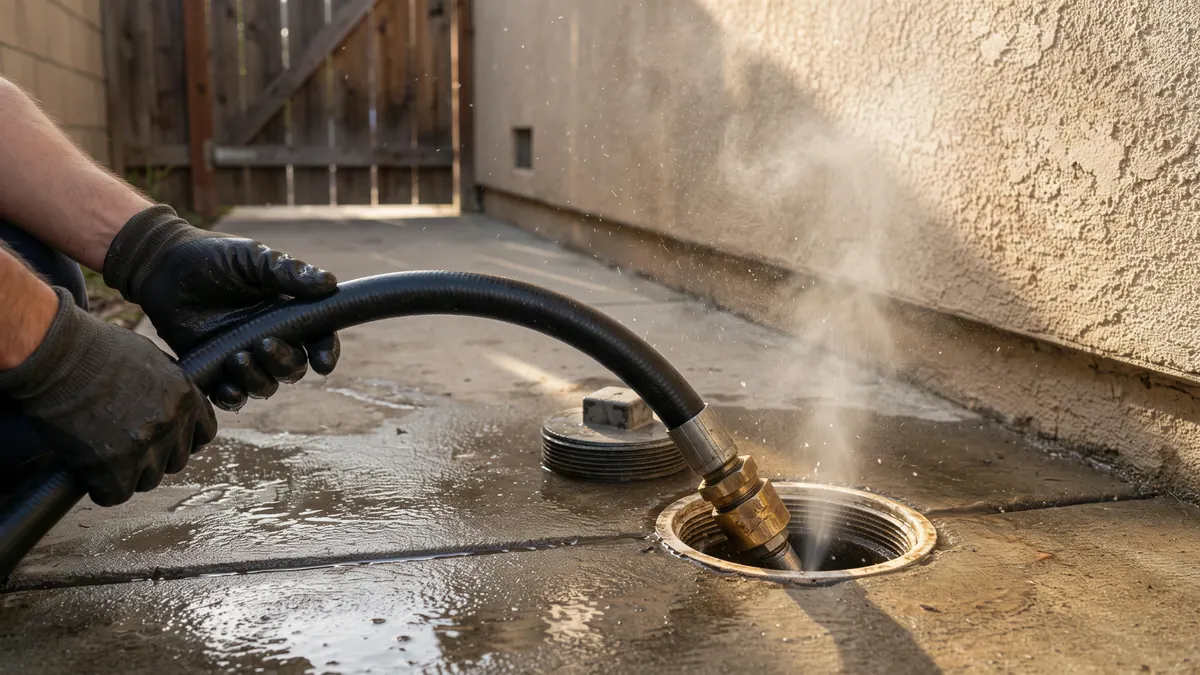
Table of contents
- What Hydro Jetting Does
- What Shapes the Quote
- Type of blockage
- Line length and access
- Camera check before and after
- Equipment and nozzle selection
- When Jetting Fits, and When It Does Not
- One-Time Clearing vs Ongoing Maintenance
- What to Expect on the Day
- Signs a Line May Need More Than Cleaning
- Questions Homeowners Ask
- Is hydro jetting the same as snaking?
- Will jetting fix repeat clogs?
- Is jetting safe for every pipe?
- Sources and Further Reading
- Next Step
Hydro jetting cost depends less on the machine and more on what is in the pipe and how easy it is to reach. This guide explains what shapes a jetting quote and when jetting is a sensible choice for a main sewer line. It does not list prices, because they only make sense once the line has been looked at.
What Hydro Jetting Does
Hydro jetting pushes a hose with a special nozzle through the sewer line and sprays water at high pressure to scour the pipe walls. Public sewer agencies use the same principle. The Wisconsin Department of Natural Resources describes jetting as a method that directs high-velocity water against pipe walls to remove heavier debris and grease and to cut roots in small-diameter pipes. In a home, it clears more of the pipe than a cable alone, which often pokes a hole through a blockage and leaves buildup on the walls.
What Shapes the Quote
Type of blockage
Soft grease or sludge is different from hard mineral scale or a dense root mass. The harder and more compacted the material, the more passes and time it can take. See our guides on grease and sewer clogs and tree roots in sewer lines.
Line length and access
A longer line takes more time. Access matters too: an open, reachable cleanout is quick to work with, while a line with no cleanout may need another entry point.
Camera check before and after
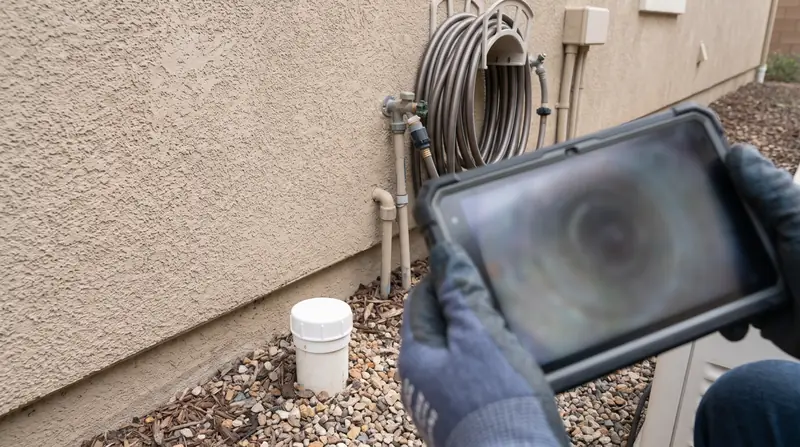
Looking at the pipe before jetting tells the provider what is there and whether the pipe can take the work. Looking again afterward confirms the line is clear. A camera inspection is sometimes bundled with the work and sometimes quoted separately, so it is worth asking.
Equipment and nozzle selection
Nozzle type and pressure settings are chosen for the pipe size, material and blockage. NASSCO’s Tech Tips article on the science of jetting sewers lists the factors that go into a job: pipe diameter, length, structural condition, pipe material and the type of debris. A provider should be able to explain why a given setup fits your line.
The price follows the blockage, the length, the access and the pipe’s condition. Ask what is included and whether a camera check is part of it.
Jetting clears the pipe. It does not repair it.
When Jetting Fits, and When It Does Not
Jetting is a good match for grease buildup, scale and roots in a pipe that is structurally sound. It is a poor match when the pipe is fragile. A cracked, collapsed or very corroded pipe can be damaged by high-pressure water, and in that case the right step is a camera inspection and a repair plan before any cleaning.
One-Time Clearing vs Ongoing Maintenance
A single jetting visit clears the pipe as it is today. If the cause of the blockage is still there, such as roots entering a cracked joint or a kitchen sending grease down the line, buildup can return. Some homeowners add jetting to a maintenance routine, and others fix the underlying opening. Our guide on how often to jet a sewer line explains how to think about timing.
What to Expect on the Day
The provider connects a hose to a cleanout and feeds it into the line while the nozzle works its way along. Water and loosened material flow downstream, so ask in advance when drains and toilets should not be used. Keep children and pets away from the hose and the work area, and make sure the cleanout is reachable. If a camera is used before and after, ask for the footage so you can see the difference.
Signs a Line May Need More Than Cleaning
Jetting is not always the whole answer. Consider asking for a camera inspection if:
- Clogs return within weeks or months. The cause may be a crack, an offset joint or a sag.
- Roots come back to the same spot. The opening they use is still there.
- The pipe is old and brittle. Material such as cast iron or Orangeburg may not be suited to high-pressure cleaning.
- Several drains are slow at once. Our guide to a slow drain or a main line clog helps you read the pattern.
Questions Homeowners Ask
Is hydro jetting the same as snaking?
No. A cable machine uses a rotating cutting head, while jetting uses water. Each suits different blockages, and some jobs use both.
Will jetting fix repeat clogs?
It clears the pipe, but if roots or a damaged section keep causing the clog, the problem can return. A camera check helps show the cause.
Is jetting safe for every pipe?
Not always. Sound pipe generally handles it well, while fragile or damaged pipe needs caution. Ask the provider what they saw on camera before deciding.
Sources and Further Reading
- NASSCO Tech Tips: understanding the science of jetting sewers
- Wisconsin DNR: collection system maintenance, sewer cleaning
Next Step
If a main line keeps backing up, a clear look at the pipe is a sensible first step, so nobody has to guess. Call now to speak to a specialist at (562) 603-5090, available 24/7, about jetting and a camera check.
Have a Question About Your Sewer Line?
Call any time to be connected with a local service provider and ask about a camera inspection and its cost. Or send a message and ask about your situation.
Related Guides
How Often Should a Main Sewer Line Be Jetted or Cleaned?
There is no one-size schedule for cleaning a main sewer line. Learn what affects how often it needs attention and when a camera check makes sense.
Read more →
Cooking Grease and Sewer Clogs: How to Prevent Them
Cooking grease cools and hardens inside sewer pipes, causing clogs and backups. Learn how to dispose of grease properly and protect your sewer line.
Read more →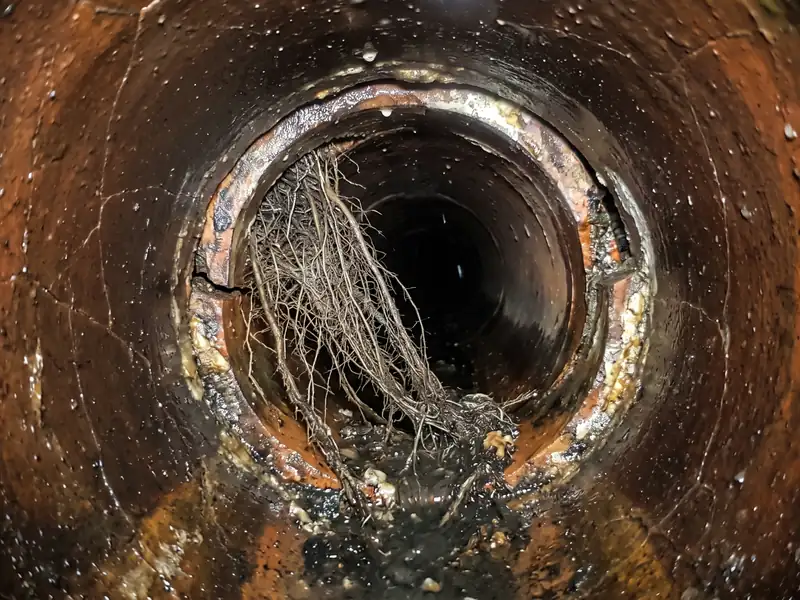
Tree Roots in Sewer Lines: Warning Signs, Causes and Fixes
Tree roots are a common cause of repeat sewer clogs. Learn the warning signs, how roots get in and the repair options to ask a service provider about.
Read more →