Is Sewer Gas Dangerous? Health Effects and Warning Signs
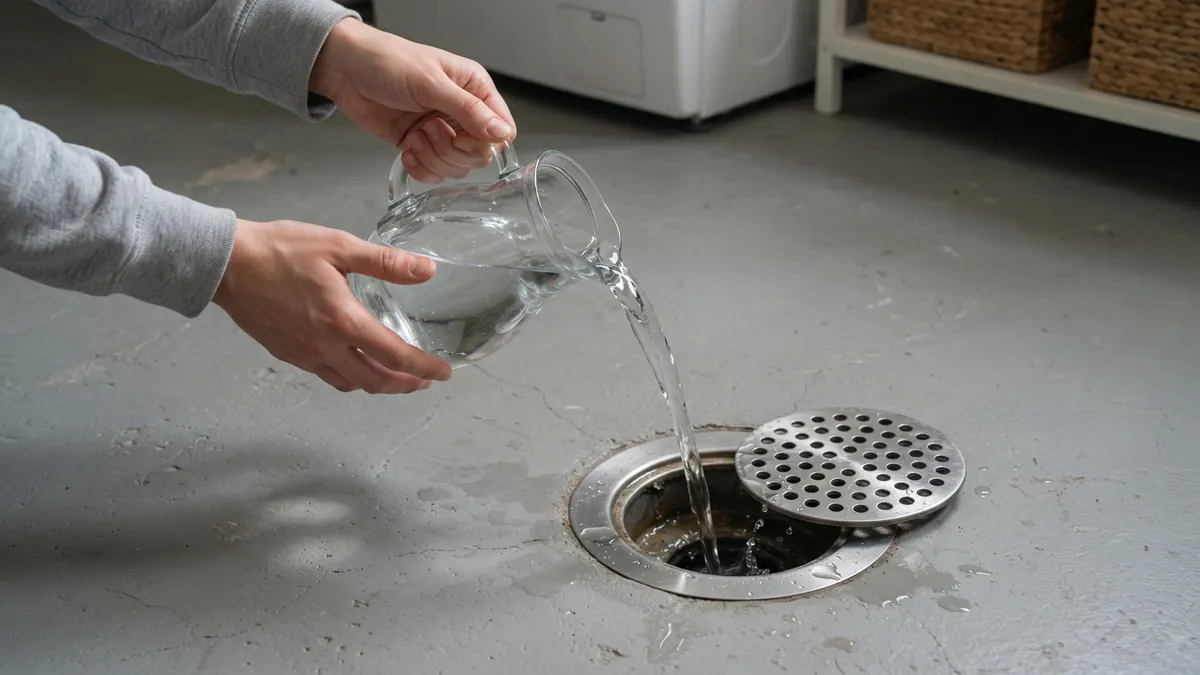
Table of contents
Whether sewer gas is dangerous depends on how much is present and for how long, and the honest answer is that small amounts mostly cause irritation and bad smells, while high concentrations can be dangerous. Sewer gas is a mixture of gases produced when waste breaks down, and hydrogen sulfide is the one most widely known for its rotten egg odor. This guide explains what the health agencies say, why you should not rely on smell alone and what to do if you notice sewer odor in your home. It is general information, not medical advice.
What Sewer Gas Is
Sewer gas is produced when organic waste decomposes without much oxygen. It can include hydrogen sulfide, methane, ammonia and other gases. Hydrogen sulfide is toxic and smells like rotten eggs at low levels. The U.S. Agency for Toxic Substances and Disease Registry explains hydrogen sulfide in its ToxFAQs for hydrogen sulfide.
Health Effects
According to that guide, low levels of hydrogen sulfide can irritate the eyes, nose and throat, and people with asthma may be more sensitive. Higher concentrations can cause more serious effects. Exposure in a normal home from a dry trap is usually low, but you should not ignore a persistent odor.
Why Smell Is Not a Safe Guide
The same guide notes that hydrogen sulfide can deaden the sense of smell at high concentrations, so a person may stop noticing it exactly when levels are dangerous. It is also heavier than air, so it can collect in low, enclosed spaces. Do not use your nose to judge whether a space is safe, especially in a basement, crawlspace or utility area.
A faint sewer smell is a reason to find the cause. A strong smell, symptoms or a closed low-lying space is a reason to leave and get help.
A faint smell means find the cause. A strong smell means get out and get help.
Common Causes of Sewer Odor in a Home
- Dry traps. A rarely used drain can lose the water seal that blocks odors. Pouring water in refills it.
- A blocked or damaged vent. See clogged plumbing vents.
- A failing seal, such as a toilet wax ring.
- A cracked or broken sewer line. See signs of a broken sewer line in your yard.
- A sewage backup. See sewage backup cleanup.
Our guide to sewer smell in the house walks through how to track down the source.
What to Do
- Ventilate the area by opening windows and doors.
- Refill dry traps by running water in unused drains.
- Look for obvious causes, such as a dry floor drain or a leaking connection.
- Leave the area if the smell is strong, if anyone feels unwell or if it is in a closed low space.
- Seek medical help for symptoms such as dizziness, headache, breathing trouble or nausea.
- Get the source found with a camera inspection if the odor persists.
Where Odors Hide
Sewer odors often come from places that are easy to overlook:
- Floor drains that rarely get water.
- Guest bathrooms and unused sinks.
- Laundry standpipes.
- Toilet seals that are loose or worn.
- Basement or crawlspace connections.
Check these before assuming the main line is the cause.
Prevention
Run water in rarely used drains every so often to keep the trap seals full. Fix leaks and loose fixtures, keep vents clear and have the line inspected if odors recur. See clogged plumbing vents and sewer smell in the house.
Questions Homeowners Ask
Can sewer gas make you sick?
It can cause irritation and, at higher levels, more serious effects. If you have symptoms, get fresh air and seek medical advice.
Can sewer gas explode?
Methane is flammable, which is another reason to find and fix the source rather than ignoring it. Do not use open flames or create sparks near a strong gas source.
Is the smell the same as a gas leak?
Natural gas has its own added odor. If you suspect a natural gas leak, leave and call your gas utility or 911.
Sources and Further Reading
Next Step
If you cannot find the source of a sewer odor, call now to speak to a specialist at (562) 603-5090, available 24/7. If anyone feels ill, get fresh air and seek medical help first.
Have a Question About Your Sewer Line?
Call any time to be connected with a local service provider and ask about a camera inspection and its cost. Or send a message and ask about your situation.
Related Guides
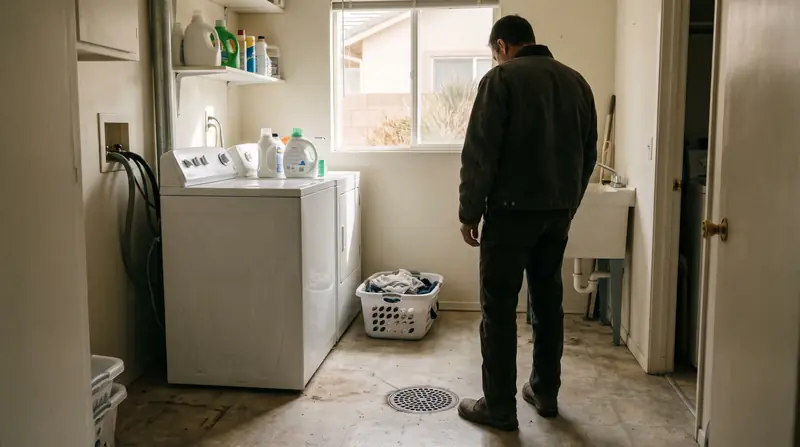
Sewer Smell in the House: Common Causes and What to Do
A sewer smell in the house can come from a dry drain trap, a vent problem or a damaged sewer line. Learn the common causes and when to call for help.
Read more →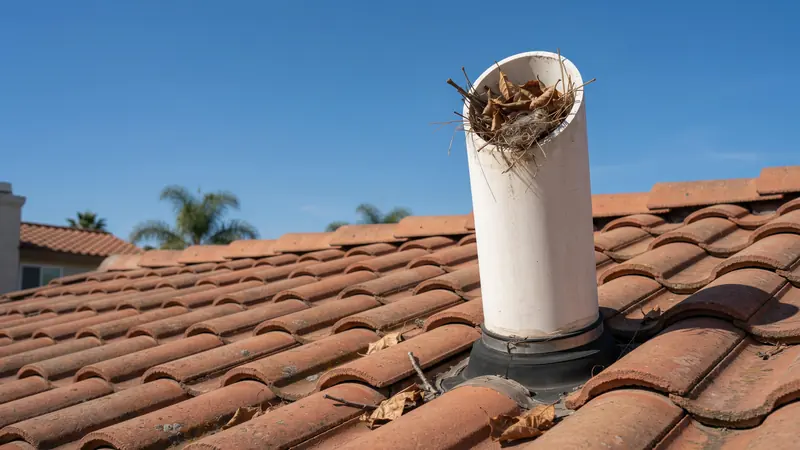
Clogged Plumbing Vent: Gurgling Drains and Slow Flow
A blocked roof vent can cause gurgling drains and slow flow. Learn the signs, the usual causes and why roof work should be left to a professional.
Read more →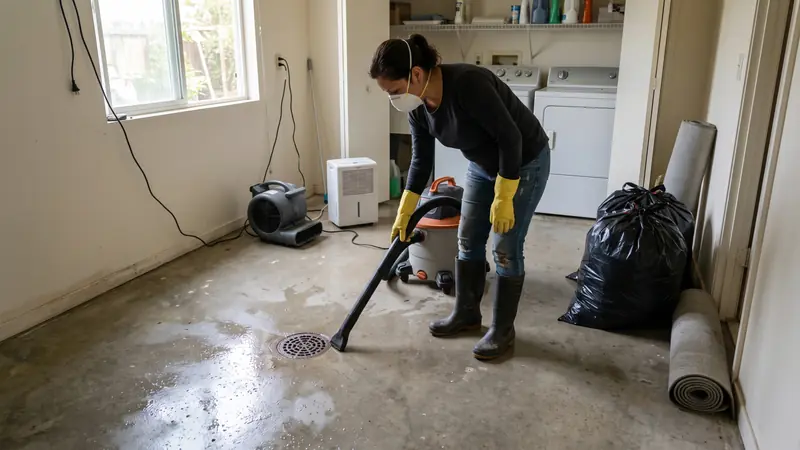
Sewer Backup Cleanup: What to Do in the First 24 Hours
Once the line is cleared, the cleanup begins. How to stay safe, what to throw away, how to dry the room and what to save for insurance.
Read more →