What Affects Sewer Camera Inspection Cost
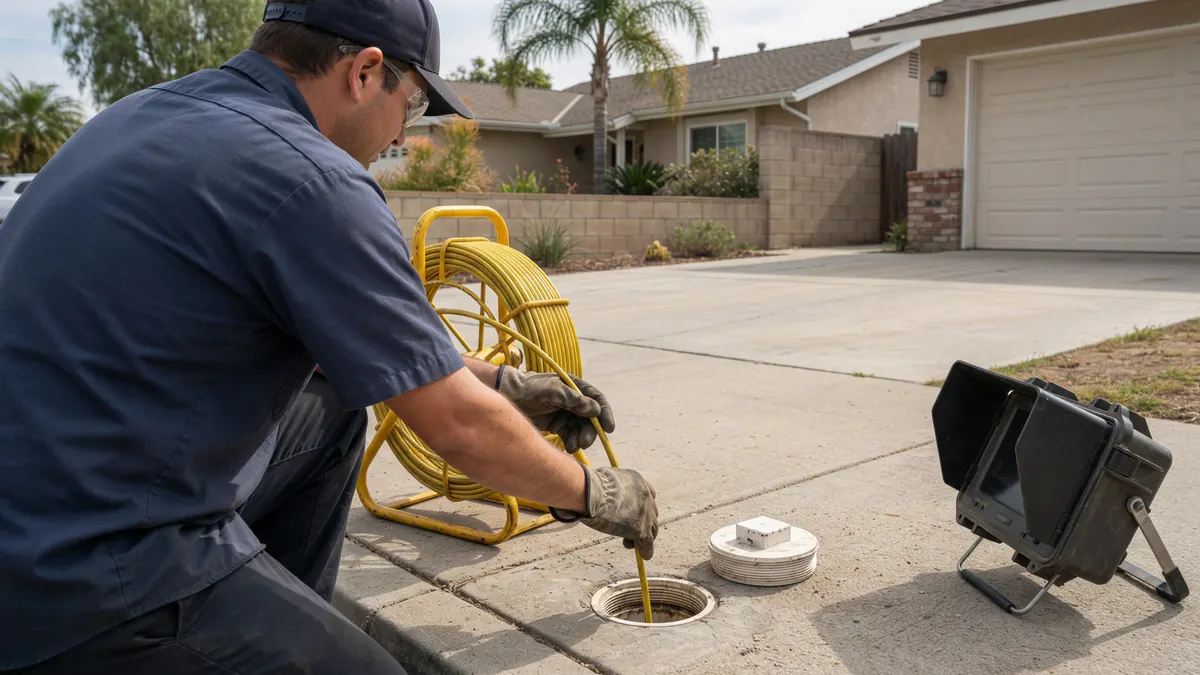
Table of contents
- What a Sewer Camera Inspection Covers
- Factors That Shape the Quote
- Cleanout access, or pulling a toilet
- Length and depth of the line
- Cleaning needed before the camera can pass
- Locating and marking the line
- Video, report and written findings
- Inspection for a Home Purchase vs a Problem Diagnosis
- What the Footage Can and Cannot Show
- How to Use the Results
- What Happens During the Visit
- Questions to Ask Before You Book
- Questions Homeowners Ask
- Is the camera inspection a one-time check?
- Should I get an inspection if nothing seems wrong?
- Do I need to be home?
- Sources and Further Reading
- Next Step
Sewer camera inspection cost varies because no two inspections involve the same access, pipe length or amount of cleaning. This guide explains what goes into a quote so you can compare like with like and know what to ask before you book. It lists no prices, since the figure depends on your property and on what the provider includes.
What a Sewer Camera Inspection Covers
A sewer camera inspection sends a small waterproof camera through the sewer line and records what it finds: pipe material, cracks, offsets, sags, roots, buildup and the location of problems. The goal is to see inside the pipe without digging. A thorough inspection ends with video and a clear explanation, not just a verbal “it looks fine.”
Factors That Shape the Quote
Cleanout access, or pulling a toilet
The camera goes in through a cleanout when one is accessible. If there is no cleanout, the provider may need another entry point, such as removing a toilet, which takes more time. A buried or damaged cleanout has the same effect.
Length and depth of the line
A longer line takes more time and more cable. Reaching the public connection at the street also depends on how the line is laid out.
Cleaning needed before the camera can pass
If grease, scale or roots block the camera, the line may need clearing first, for example with hydro jetting. Whether the quote includes that cleaning, or treats it as a separate step, is worth asking about.
Locating and marking the line
Some inspections include locating the camera’s position from above ground and marking it on the surface, which helps if a repair is needed. Others only provide the footage.
Video, report and written findings
Providers differ in what they hand over. The footage itself, a written summary and still images of defects are all useful. Industry reports often use a standard coding system. NASSCO’s Pipeline Assessment Certification Program, known as PACP, gives field workers a common language to classify conditions and record their severity.
A quote is only comparable if you know what is included: access, cleaning, locating and the video and report you receive.
Ask what the inspection includes before you compare what it costs.
Inspection for a Home Purchase vs a Problem Diagnosis
A pre-purchase inspection checks the condition of an unfamiliar line before you commit to the home. A problem diagnosis looks for the cause of a specific symptom such as repeat clogs or slow drains. The second may need cleaning first and more time on a trouble spot. Our guide on sewer inspection when buying a home explains what buyers should ask for.
What the Footage Can and Cannot Show
Video shows the inside of the pipe. It can show cracks, joints that have moved, roots, sags and buildup. It cannot always show exactly how the ground around the pipe is behaving, and a camera cannot pass a fully collapsed section. A good provider will say what the footage does and does not tell you.
How to Use the Results
The video is only useful if you know what you are looking at. Our guide on how to read a sewer camera inspection report explains the terms, distances and defect types. Ask the provider to point out the problem areas on screen, and keep a copy of the footage. If a repair is recommended, the same video helps different providers quote the same job.
What Happens During the Visit
- Access is set up. The provider uses a cleanout, or another entry point if there is none.
- The camera is fed through the line. A flexible cable pushes a small waterproof camera along the pipe while a monitor shows the live view.
- Footage is recorded. The distance from the entry point is noted when something is found.
- Findings are explained. A good provider points out defects on screen and says what they mean.
- You receive the results. Ask in what form, such as video, still images and a written summary, and how soon.
The visit is usually the camera and a short conversation, but cleaning, locating and a longer line all add time.
Questions to Ask Before You Book
- What is included? Video, a written summary, still images, locating and marking.
- Is cleaning included? If the camera cannot pass, ask what happens next.
- How far will the camera go? All the way to the public connection, or only part of the line.
- Will I get a copy of the video? Ask for the format and how soon it arrives.
- Can you show me the problem areas on screen? Ask for an explanation in plain terms.
Questions Homeowners Ask
Is the camera inspection a one-time check?
It shows the pipe’s condition on the day it is done. Some homeowners repeat it after a repair to confirm the work, or years later on older lines. How often depends on the age and condition of the pipe.
Should I get an inspection if nothing seems wrong?
An older home, mature trees near the line, or a purchase decision are common reasons. If you have repeat slow drains or gurgling, an inspection can show whether the cause is in the main line.
Do I need to be home?
Usually someone needs to provide access to the cleanout or the area around it. Ask the provider what access they need and how long the visit is expected to take.
Sources and Further Reading
Next Step
Planning an inspection or comparing quotes? Call now to speak to a specialist at (562) 603-5090, available 24/7, and ask what is included before you book.
Have a Question About Your Sewer Line?
Call any time to be connected with a local service provider and ask about a camera inspection and its cost. Or send a message and ask about your situation.
Related Guides

How to Read a Sewer Camera Inspection Report
Distance counters, clock positions and terms like offset or belly can be confusing. Here is how to read your sewer camera footage and report.
Read more →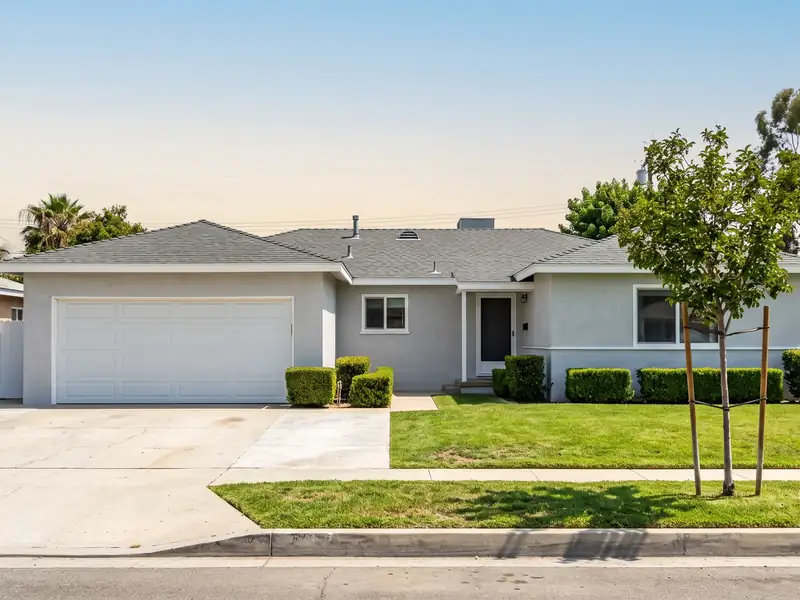
Sewer Inspection When Buying a Home: What to Know Before You Close
A standard home inspection often skips the underground sewer line. Learn what a sewer camera inspection shows and how to use the results when buying a home.
Read more →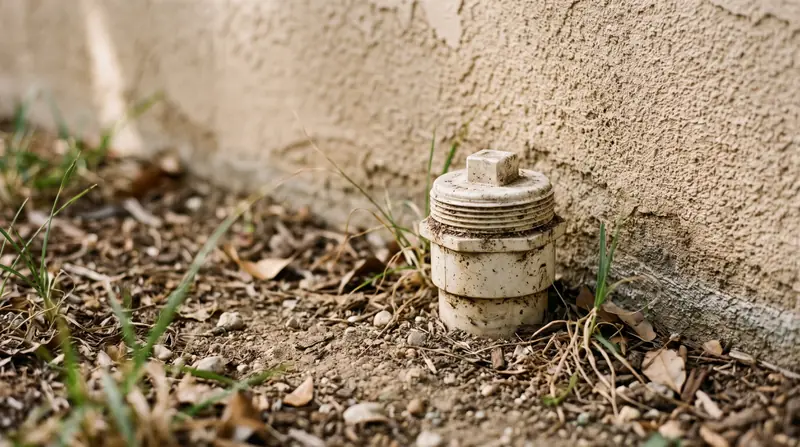
Where Is My Sewer Cleanout? How to Find It and Why It Matters
Learn where a sewer cleanout is usually located, how to recognize it and why finding it before a backup helps a service provider reach your line faster.
Read more →