Backwater Valve: What It Does and Whether You Need One
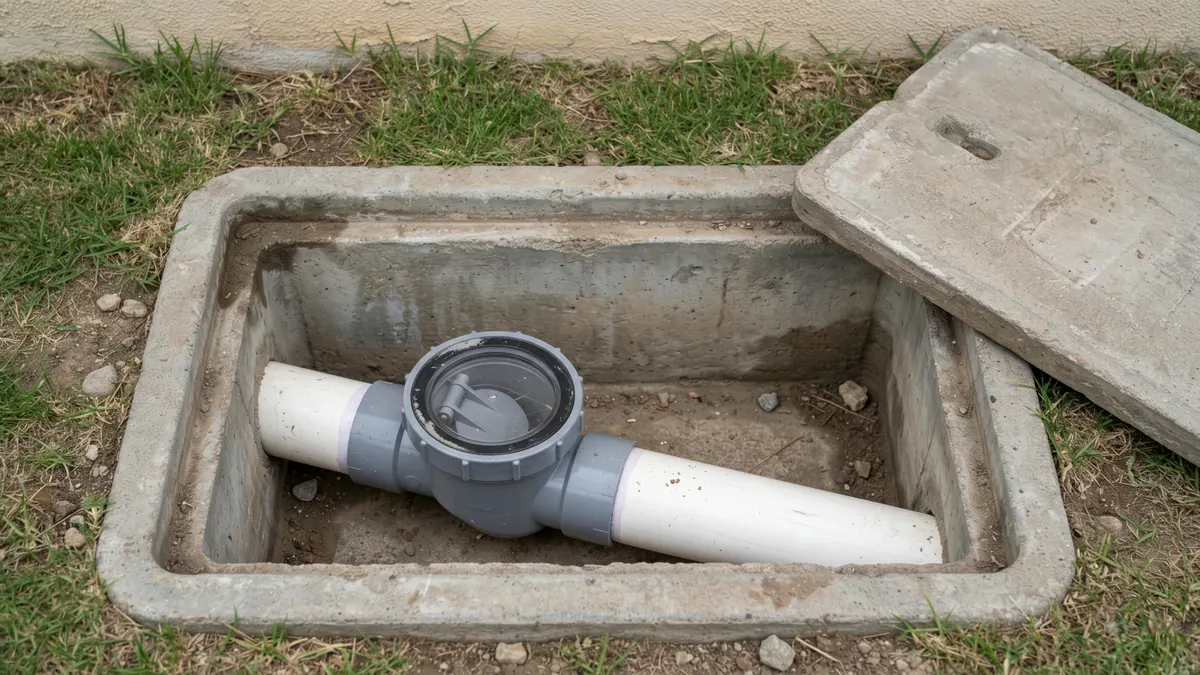
Table of contents
- What a Backwater Valve Does
- What It Does Not Do
- Where It Is Installed
- When It May Be Worth Considering
- Maintenance
- Insurance
- Questions to Ask Before Installing One
- Types of Backwater Valves
- Signs a Valve May Need Service
- Questions Homeowners Ask
- Can a backwater valve cause its own clog?
- Will it stop sewage from coming up a floor drain?
- Is it a DIY job?
- Sources and Further Reading
- Next Step
A backwater valve is a device installed on a sewer line to help stop wastewater from flowing back into a building. It is designed to let waste flow out but close if flow reverses. It is not a fix for a blockage inside your own pipe, and it needs maintenance, so it is worth understanding what it does and does not do before you decide. This guide explains how it works, where it fits and what to ask.
What a Backwater Valve Does
A backwater valve contains a flap, gate or float that stays open for normal outflow and closes if wastewater tries to push back up from the sewer. This can help when the public main is overloaded or blocked, since the backed-up water is held out of the home. Our guide to heavy rain and sewer backups explains how a main can back up.
What It Does Not Do
- It does not clear a blockage in your own pipe. A clog inside the home’s lateral still backs up toward the house.
- It does not stop all water entry. It protects against flow from the sewer toward the house, not other water problems.
- It is not a substitute for maintenance. Debris can keep the flap from closing, and the device should be inspected.
A backwater valve guards against flow coming back from the main. It does not protect against a clog inside your own line.
A backwater valve guards against flow from the main, not a clog in your own line.
Where It Is Installed
A valve is usually installed on the building sewer, often in an access box so it can be reached and cleaned. It may be inside or outside the home depending on the layout. The City of Cerritos sewer permit application lists backwater valve work, which indicates that a permit may be involved. Ask the city and your provider about permit requirements. See our guide to sewer repair permits.
When It May Be Worth Considering
- A history of backups from the public main. See when the city sewer main backs up into your home.
- Fixtures at a low level, such as a basement or lower-floor bathroom, that are more exposed to backflow.
- A home that is lower than the street’s sewer main, which is a question a plumber or the city can help answer.
Do not assume it is needed. A provider can look at your layout, your history and your plumbing before recommending one.
Maintenance
The valve needs periodic inspection and cleaning so debris does not hold the flap open. Ask the installer how often to check it and how to access it. Keep the access cover clear and the area around it clear of soil and plants.
Insurance
A valve can matter for insurance, since some policies and endorsements relate to sewer backup coverage. Read our guide on whether homeowners insurance covers a sewer backup and ask your insurer whether the presence of a valve affects your policy.
Questions to Ask Before Installing One
- Do I need one, based on my home and history?
- Which type is recommended, and why?
- Does it require a permit, and who applies?
- How is it accessed and maintained?
- Where is the cleanout relative to the valve? See where the cleanout is.
Types of Backwater Valves
Common designs include a flap-type valve that stays open for normal flow and closes when flow reverses, and a gate-type valve that can be closed manually or by a mechanism. The right choice depends on the layout, the local rules and what the plumber recommends. Ask the provider why they chose the type for your home and how it is maintained.
Signs a Valve May Need Service
- Slow drains in fixtures that were fine before.
- Odors near the access box.
- Backups that did not happen previously.
- Unusual noises from the line.
- Debris in the access box when it is opened.
Do not open a valve or its cover during a backup unless you know how.
Questions Homeowners Ask
Can a backwater valve cause its own clog?
Debris can interfere with the flap, which is why inspection and cleaning matter.
Will it stop sewage from coming up a floor drain?
It can help if the cause is backflow from the main, but not if the blockage is in your own pipe.
Is it a DIY job?
Installation involves cutting into the sewer line and usually needs a license and a permit. Use a qualified provider.
Sources and Further Reading
Next Step
If you are weighing a backwater valve, call now to speak to a specialist at (562) 603-5090, available 24/7, and ask whether it suits your home.
Have a Question About Your Sewer Line?
Call any time to be connected with a local service provider and ask about a camera inspection and its cost. Or send a message and ask about your situation.
Related Guides
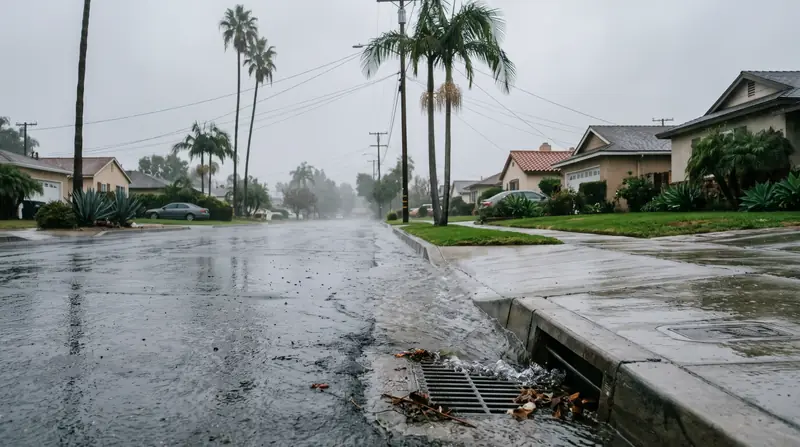
Heavy Rain and Sewer Backups in Southern California
Heavy rain can overload sewer systems and expose cracked pipes, causing backups. Learn why storms trigger problems and how to protect your home.
Read more →
Does Homeowners Insurance Cover a Sewer Backup?
Many homeowners policies exclude sewer backups unless you add an endorsement. Learn what to check in your policy and how to document a backup.
Read more →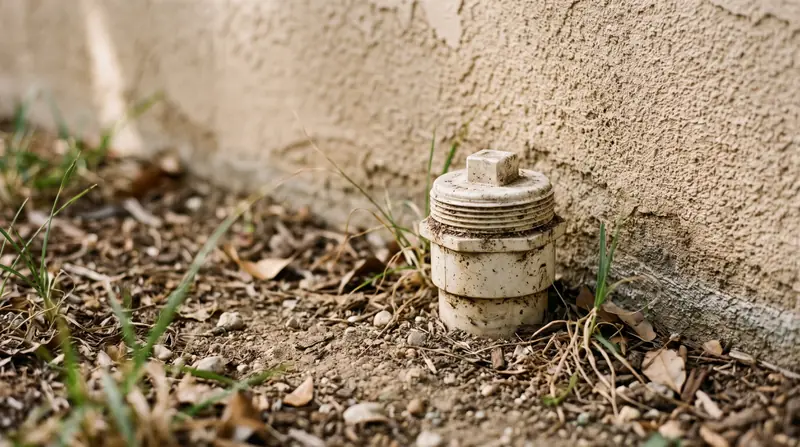
Where Is My Sewer Cleanout? How to Find It and Why It Matters
Learn where a sewer cleanout is usually located, how to recognize it and why finding it before a backup helps a service provider reach your line faster.
Read more →