Sewer Repair Permits and City Inspections in California
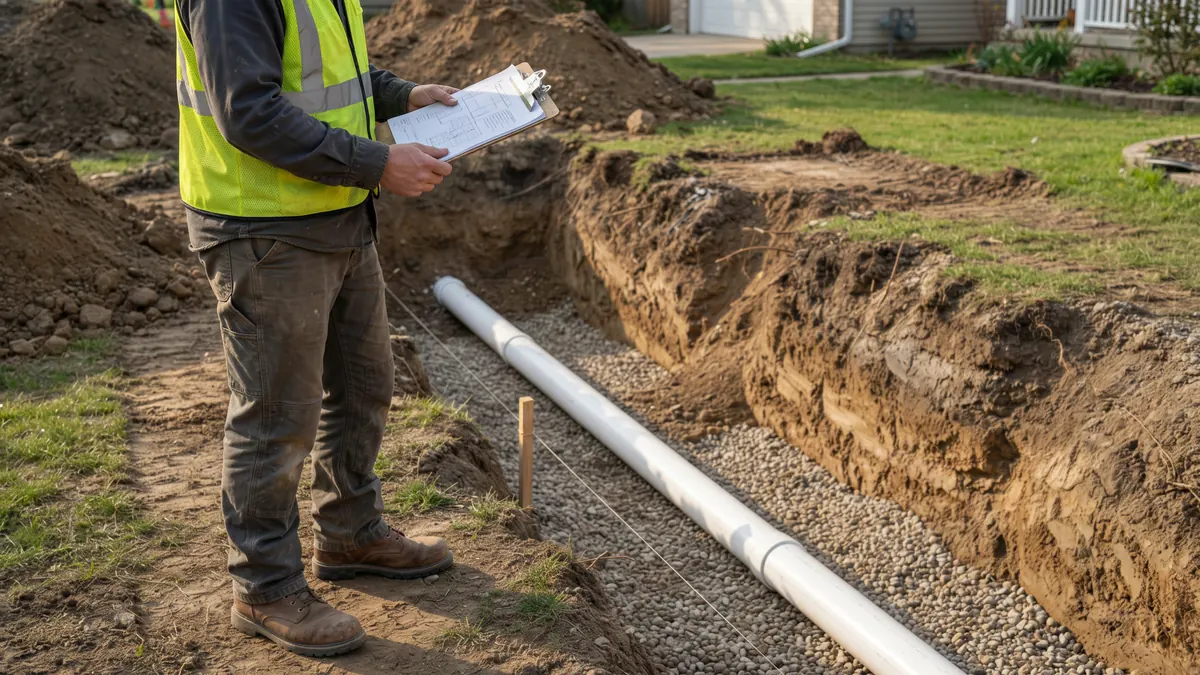
Table of contents
- Why Permits and Inspections Exist
- What Usually Needs a Permit
- Who Applies, and Who May Do the Work
- Before Anyone Digs
- What an Inspection Usually Looks For
- Questions to Ask Your City and Your Provider
- What Can Delay a Permit
- Documents to Keep After the Work
- Questions Homeowners Ask
- Can I skip the permit to save time?
- How long does a permit take?
- Does the permit cover the public sewer main?
- Sources and Further Reading
- Next Step
Sewer repair permits are a normal part of many repair and replacement jobs, and they exist to make sure the finished work meets code. The rules differ from city to city, so this guide explains how permits usually work, who normally handles them and what to ask both your service provider and your city. It does not replace the requirements of your own city, which should always be confirmed directly.
Why Permits and Inspections Exist
A building sewer is part of a home’s plumbing system, and the California Plumbing Code sets minimum rules for its size, slope and installation. A permit gives the city a chance to review the work and inspect it, often before the trench is covered. That protects you as the owner, and it creates a record that can matter later, for example when the home is sold.
What Usually Needs a Permit
Requirements are set by each city, but permits are commonly needed for replacing a sewer line, making a significant repair or installing new components such as a cleanout or backwater valve. The City of Cerritos publishes a sewer permit application, and its planning and building permits page explains how to apply. Because the city’s online process can change, confirm the current steps before you rely on any written summary.
Who Applies, and Who May Do the Work
In California, work on a building sewer is done by a licensed contractor. The Contractors State License Board notes that General Engineering (A), C-36 Plumbing, C-42 Sanitation System and C-34 Pipeline contractors may install or repair building sewers, as stated in its building official information guide. Usually the contractor applies for the permit, but you should ask directly and make sure the permit is named in the written estimate. Our guide to comparing sewer repair estimates explains what else to look for.
Ask three things up front: is a permit required, who applies for it and does the written estimate say so.
Ask three things up front: is a permit needed, who applies, and is it in the estimate.
Before Anyone Digs
California law requires excavators to notify the regional one-call center before digging so that public utilities can be marked. For Los Angeles County this is DigAlert (811). A provider normally handles that notice. It does not mark private lines such as a sewer lateral, which is why a private locator is often used as well. Read more in our guide on how sewer lines are located.
What an Inspection Usually Looks For
Inspectors commonly check that the pipe is the approved material, that it has the required slope and bedding, that joints are properly made and that the work is visible before backfilling. Our guide to residential sewer line size and slope covers the slope rule in the plumbing code. For trenchless work, such as pipe bursting or lining, a city may ask for the camera footage. Ask your city what it expects.
Questions to Ask Your City and Your Provider
- Do I need a permit for this repair?
- Who applies, and is the cost in the written estimate?
- When is the inspection, and what must be visible?
- Is a trenchless method treated differently?
- What documents should I keep afterward? Permit, inspection sign-off and final camera footage are worth saving.
What Can Delay a Permit
- An unclear scope. If the application does not describe the work, the city may ask for more information.
- Inspection scheduling. The work may need to stay open until the inspector arrives.
- Missing details, such as the pipe material, the length or the connection point.
- Conflicts with other utilities found when the area is marked.
- Weather, which can delay excavation and inspection dates.
Ask your provider how they plan for these, and see how long replacement takes.
Documents to Keep After the Work
Keep the permit, the inspection sign-off, the written scope, the invoice and the final camera footage in one place. These records help if you sell the home, make an insurance claim or need warranty service. See sewer repair warranties and selling a house with sewer line problems.
Questions Homeowners Ask
Can I skip the permit to save time?
Not without risk. Unpermitted work can cause problems with the city, with insurance and when selling the home. It is better to ask what is required and plan for it.
How long does a permit take?
It depends on the city and how the work is classified. Ask the city or your provider for the current timeline, and see our guide on how long a replacement takes.
Does the permit cover the public sewer main?
No. A permit for private work covers your pipe. Work on the public main is handled by the public agency.
Sources and Further Reading
- City of Cerritos: sewer permit application
- City of Cerritos: planning and building permits
- CSLB: building official information guide
- DigAlert: call 811 before you dig
Next Step
If you are planning a repair and want to know what paperwork to expect, call now to speak to a specialist at (562) 603-5090, available 24/7. Cerritos Sewer Co. is a referral service, so confirm permit requirements with your city.
Have a Question About Your Sewer Line?
Call any time to be connected with a local service provider and ask about a camera inspection and its cost. Or send a message and ask about your situation.
Related Guides

Trenchless vs Traditional Sewer Repair: Which Is Right for Your Home?
Digging a trench or working through small pits? Compare cost, time, yard damage and when each method makes sense.
Read more →
How to Prepare for Pipe Bursting: A Homeowner's Checklist
A few simple steps before the crew arrives make pipe bursting faster and easier. Here is what to do the week before, the day of and after.
Read more →
What Affects the Cost of Sewer Line Replacement
Sewer line replacement quotes vary for real reasons. Learn what shapes a quote, from pipe depth and access to permits, so estimates make sense.
Read more →