Residential Sewer Line Size and Slope: What’s Standard
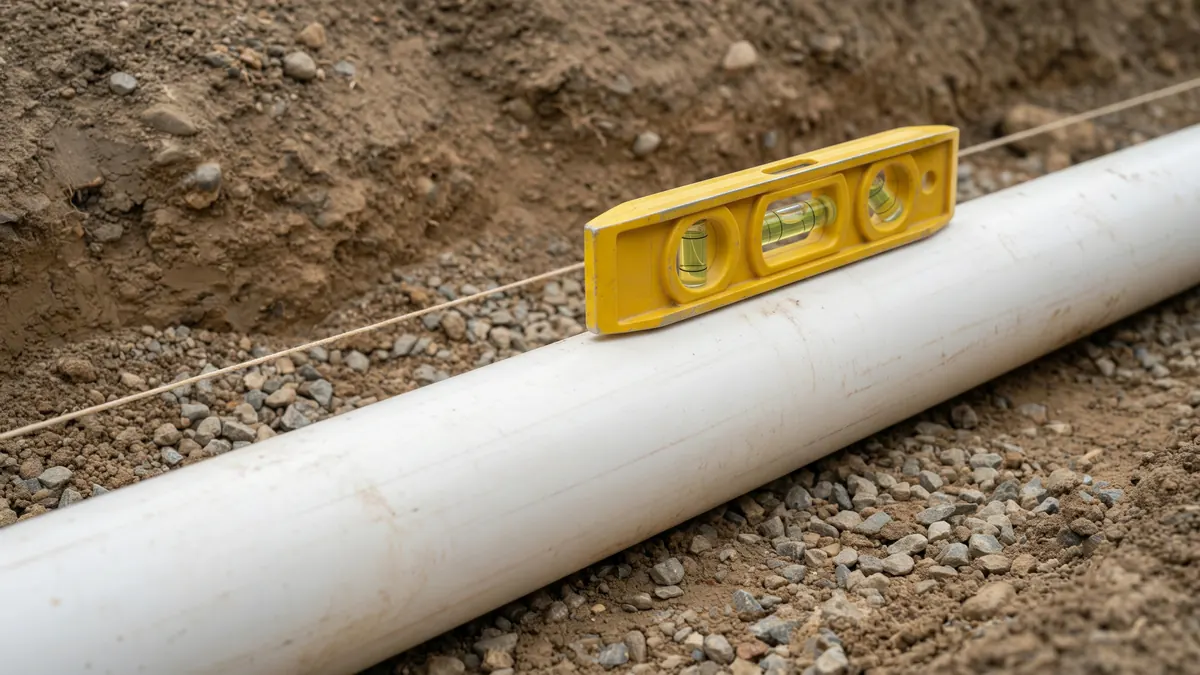
Table of contents
- What Size Is a Home Sewer Line?
- What the Slope Rule Says
- Why Slope Matters
- How Slope Is Checked
- Slope and Repair Methods
- A Quick Picture of the Slope
- How a New Pipe Is Checked
- Slope Is Not the Whole Story
- Questions Homeowners Ask
- Can a line be too steep?
- Does my city allow a flatter slope?
- How do I know if my line has a sag?
- Sources and Further Reading
- Next Step
Residential sewer line size and slope are set by plumbing code, and they affect whether a line drains well for decades or clogs repeatedly. A sewer line is not a pressurized pipe. It relies on gravity, so a small, steady downward slope is what keeps waste moving. This guide explains the typical size of a home sewer line, the slope rule in the California Plumbing Code and what it means if your line has a sag.
What Size Is a Home Sewer Line?
Many single-family homes have a 4-inch sewer line, and local rules often start there. Plumbing code sets a minimum size based on how many fixtures the line serves. One city’s published requirements, which quote the California Plumbing Code, say no building sewer shall be smaller than the building drain and that a building sewer serving one to three toilets shall not be smaller than 3 inches with the standard slope. A line can be larger in some homes. Confirm your city’s rule before a replacement, and see our overview of how a home sewer system works.
What the Slope Rule Says
The California Plumbing Code, section 718.1, requires building sewers to run at a uniform slope of not less than one-quarter inch per foot toward the point of disposal. Where that is impractical because of the depth of the street sewer or the structure of the building, and with the approval of the authority having jurisdiction, a 4- to 6-inch pipe may have a slope of not less than one-eighth inch per foot. The Milpitas sewer line requirements and the Santa Clara building guidance both quote this rule, and it is the same code that applies throughout California, though cities can add their own amendments.
The standard slope is about a quarter inch of drop for every foot of pipe. A flatter slope is allowed only in limited cases and with approval.
A quarter inch of drop for every foot of pipe is the standard to know.
Why Slope Matters
Wastewater carries solids. If the pipe is too flat, water can move while solids settle, leaving buildup that grows over time. A pipe that has settled so a section is lower than its neighbors can hold water and waste in a low spot. This is called a belly, and our guide to bellied sewer lines explains how it forms and how it is fixed.
How Slope Is Checked
During new work, slope is checked with a level or laser and the inspector may review it. On an existing line, a sewer camera inspection can show standing water in a section, which suggests a sag. A level on the pipe is the simple version of the same idea.
Slope and Repair Methods
A liner follows the old pipe, so it does not change slope, and a sag stays a sag. Replacement can correct the slope because the new pipe is installed at the required grade. That is one reason our guide on spot repair vs replacement treats a long belly as a replacement issue. Learn about the options in our guide to repair methods.
A Quick Picture of the Slope
A quarter inch of drop per foot sounds small, but it adds up. Over a 40-foot run, the pipe falls about 10 inches from the house end to the street end. That steady fall is what moves waste by gravity. When the slope is too flat, solids can settle, and when a section sinks, a low spot forms. This is why the slope is checked at installation and why a camera can reveal standing water in an older line.
How a New Pipe Is Checked
During installation, the crew sets the grade using a string line, a laser or a level, and bedding is prepared so the pipe holds that grade. The city inspector may check it before the trench is covered. See sewer repair permits.
Slope Is Not the Whole Story
Pipe roughness, joint quality, bedding and the connection at the main also affect how well a line flows. A line with the right slope but a bad joint can still catch debris. See offset sewer pipe joints.
Questions Homeowners Ask
Can a line be too steep?
Codes set minimums, and design guidance also considers upper limits in some situations. If a line has a steep section, a provider can explain whether it matters for your home.
Does my city allow a flatter slope?
Only in limited cases and with approval. Ask the city about your property.
How do I know if my line has a sag?
Repeated clogs in the same area, slow drains and standing water on a camera inspection are signs. A camera is the way to confirm.
Sources and Further Reading
- City of Milpitas: sewer line requirements, citing the California Plumbing Code
- City of Santa Clara: building sewer guidance, citing CPC 718.1
Next Step
If you suspect a sag in your line, call now to speak to a specialist at (562) 603-5090, available 24/7, and ask about a camera inspection.
Have a Question About Your Sewer Line?
Call any time to be connected with a local service provider and ask about a camera inspection and its cost. Or send a message and ask about your situation.
Related Guides

What Is a Bellied Sewer Line? Signs, Causes and Repair Options
A bellied sewer line has a sag that holds water and waste. Learn the warning signs, why bellies form and the repair options to ask a service provider about.
Read more →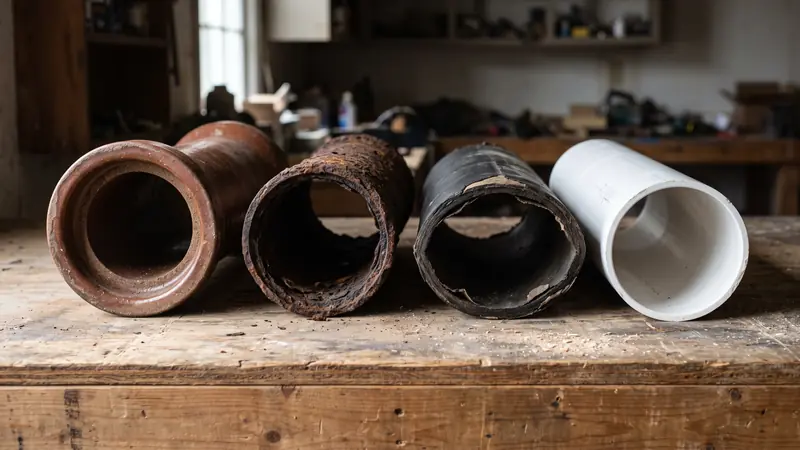
Clay vs Cast Iron vs PVC Sewer Pipe: How Long Each One Lasts
Your sewer pipe material says a lot about how long it has left. Compare clay, cast iron, Orangeburg, ABS, PVC and HDPE in one place.
Read more →
How a Home Sewer System Works: Lateral, Main, Cleanout and Vent
From fixture drains to the public sewer main, here is how a home sewer system works and which parts you are responsible for.
Read more →