Sewer Line Repair Options: A Complete Guide to Every Method
Table of contents
- Start With a Diagnosis, Not a Method
- Cleaning and Root Removal
- Spot (Point) Repair
- Pipe Lining (CIPP)
- Pipe Bursting
- Open-Trench Replacement
- The Methods Side by Side
- How a Specialist Chooses Between Methods
- What to Ask About Each Method
- Warning Signs That Point to Repair, Not Just Cleaning
- Planning Around the Work
- Questions Homeowners Ask
- How long does each repair method last?
- Can I choose the method myself?
- Do I need a permit?
- Sources and Further Reading
- Next Step
There are more sewer line repair options today than a trench and a shovel, and the right one depends on what is wrong with the pipe. This guide explains each main method, what it involves, what it can and cannot fix, and how a service provider decides between them. It is meant to help you ask better questions, not to replace an inspection of your own line.
Start With a Diagnosis, Not a Method
A repair method only makes sense once you know the problem. A slow drain caused by grease is not the same as a cracked pipe or a collapsed section. A sewer camera inspection shows the pipe material, the type and location of damage, the length affected and whether the rest of the line is sound. Our guide to reading a camera report helps you follow what the video shows.
Cleaning and Root Removal
When the pipe is intact but blocked by grease, scale or roots, cleaning may be all that is needed. A cutting cable or hydro jetting clears the line. Cleaning does not repair the pipe, though, so if roots entered through a crack or a loose joint, they can return. See tree roots in sewer lines for the full picture.
Spot (Point) Repair
A spot repair fixes one damaged section without replacing the whole line. It can involve cutting out the bad section and joining new pipe, or installing a short liner patch. It suits a single defect in a pipe that is otherwise in good shape. It is less suitable when the camera shows many problems along the run. Our guide to spot repair vs full sewer line replacement goes deeper, and the NSF specification for point repair gives a technical view of one patch method.
Pipe Lining (CIPP)
Cured-in-place pipe lining installs a resin-saturated tube inside the old pipe and cures it into a new, jointless pipe within the old one. The industry practice for the inversion method is described in ASTM F1216. Lining suits a pipe that still holds its shape but has cracks, leaky joints or root entry. It is not suited to a collapsed pipe, a severe offset or a belly that holds waste. See our pipe relining service page and our guide to pipe lining problems.
Pipe Bursting
In pipe bursting, a tool is pulled through the old pipe, breaking it outward, while a new pipe is pulled in behind it. The EPA’s pipe bursting fact sheet describes the method. It needs an entry pit and an exit pit but not a trench along the whole line. It can suit a pipe that is too damaged for lining but where digging the full length would be disruptive. Learn more on our pipe bursting page and how to prepare for pipe bursting.
Open-Trench Replacement
Open-trench replacement digs along the pipe, removes the old line and installs new pipe. It lets the crew see and correct the ground and slope, and it can be the practical choice when the pipe has collapsed, when there are belly problems, or when other work needs to happen in the same area. It disturbs more of the yard. See our sewer line replacement page.
The Methods Side by Side
| Method | Suited to | Main limits | Disruption |
|---|---|---|---|
| Cleaning | Blocked but intact pipe | Does not repair damage | Low |
| Spot repair | One damaged section | Not ideal with many defects | Low to moderate |
| Pipe lining | Cracks, leaky joints, root entry in shaped pipe | Not for collapse, severe offset or bellies | Low |
| Pipe bursting | Failing pipe where full trenching is impractical | Needs pits and suitable ground | Moderate |
| Open trench | Collapsed or badly misaligned lines | Most yard disturbance | High |
Match the method to the pipe’s condition. The camera footage should explain why the recommended method fits and the others do not.
The pipe’s condition picks the method, not the other way around.
How a Specialist Chooses Between Methods
A provider typically looks at:
- Pipe material and age. Brittle or deformed pipe changes the options.
- Type of damage. Cracks, offsets, collapse, sags or root intrusion each point in different directions.
- Extent of damage. One section or the whole run.
- Access and surface. Whether pits or a trench are practical in your yard.
- Permits and rules. Local requirements can affect the choice.
NASSCO’s pipe rehabilitation matrix compares technologies by use and limits, and is a good technical reference for how providers think about this decision. Our comparison of trenchless and traditional repair is a plain-English companion.
What to Ask About Each Method
- Cleaning. What was blocking the line, and what did the camera show afterward? How likely is the blockage to return?
- Spot repair. What does the footage show about the rest of the line? How far from the cleanout is the defect?
- Lining. How was the pipe cleaned and measured? Will every branch connection be reopened, and can I see the final footage?
- Pipe bursting. Where will the pits go? How will nearby utilities and the surface be protected?
- Open trench. What will be dug up, and what will be restored? How is the trench backfilled and compacted?
Warning Signs That Point to Repair, Not Just Cleaning
Cleaning clears what is in the pipe. Repair is a question when the pipe itself is the problem. Signs include repeated blockages in the same line, a sewage smell near the cleanout or in the yard, soggy or sunken ground along the route, and several drains slowing down together. Our guides on the signs of a broken sewer line in your yard and on telling a slow drain from a main line clog explain what to watch for.
Planning Around the Work
Whatever the method, a little preparation makes the day easier. Locate your cleanout, clear access to the work area, ask when water use must stop, and confirm who is arranging any permit. If sewage is backing up now, stop using water and see our emergency sewer repair page for what to do first.
Questions Homeowners Ask
How long does each repair method last?
It depends on the pipe, the installation and the conditions. A properly installed new pipe and a well-installed liner can both perform for many years. Ask the provider how long a method is expected to perform in your situation and what the warranty says. Our guide on how long a sewer line lasts covers the factors.
Can I choose the method myself?
You can state a preference, but the pipe decides what is possible. A provider should explain why a method does or does not fit your line.
Do I need a permit?
Often yes, and the rules vary by city. Ask the provider whether a permit and inspection are needed and who arranges them.
Sources and Further Reading
- U.S. EPA: pipe bursting fact sheet
- NASSCO: pipe rehabilitation matrix
- ASTM F1216: inversion and curing of a resin-impregnated tube
- ICC and NASSCO: existing sewer repair using trenchless methodology
Next Step
Not sure which option fits your line? Call now to speak to a specialist at (562) 603-5090, available 24/7, and start with a camera inspection.
Have a Question About Your Sewer Line?
Call any time to be connected with a local service provider and ask about a camera inspection and its cost. Or send a message and ask about your situation.
Related Guides

Trenchless vs Traditional Sewer Repair: Which Is Right for Your Home?
Digging a trench or working through small pits? Compare cost, time, yard damage and when each method makes sense.
Read more →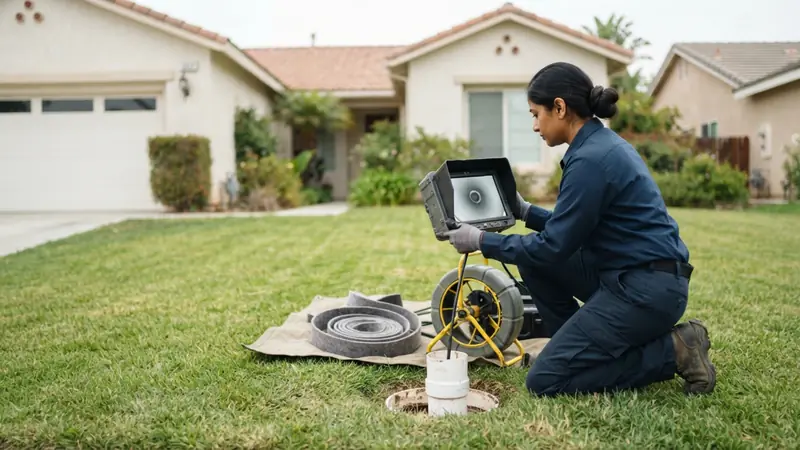
Common Pipe Lining Problems and How to Avoid Them
Most liners work for decades, but a rushed job can leave wrinkles, blocked connections or a soft cure. Here is what goes wrong and how to prevent it.
Read more →
How to Prepare for Pipe Bursting: A Homeowner's Checklist
A few simple steps before the crew arrives make pipe bursting faster and easier. Here is what to do the week before, the day of and after.
Read more →