How a Home Sewer System Works: Lateral, Main, Cleanout and Vent
Table of contents
- The Journey From Fixture to Sewer
- The Parts of the System
- Fixture traps and branch drains
- The vent system
- The cleanout
- The sewer lateral
- The public sewer main
- Who Is Responsible for What
- How Problems Show Up
- A Simple Walk-Through of One Flush
- What to Learn About Your Own Home
- Questions Homeowners Ask
- Where is my sewer line?
- Do I need to maintain my sewer line?
- What is the difference between a drain line and a sewer line?
- Sources and Further Reading
- Next Step
A home sewer system is simpler than it looks, and understanding how it works makes every symptom and every repair easier to follow. This guide explains how wastewater leaves your home, what the lateral, main, cleanout and vent each do and where your responsibility usually ends. It is the starting point for many of the other guides on this blog.
The Journey From Fixture to Sewer
Wastewater leaves each sink, shower, toilet and appliance through a drain. Each fixture has a trap, a curved section of pipe that holds water to block sewer odors. Branch drains collect from several fixtures and carry the water to the building drain, the main horizontal pipe under or beside the home. From there it flows out through the private sewer line, which connects to the public sewer main in the street. Everything moves by gravity, so the pipes slope downward all the way.
The Parts of the System
Fixture traps and branch drains
The trap under a sink or the built-in trap of a toilet keeps odors out of the house. If a trap dries out, odors can enter. See our guide to sewer smell in the house.
The vent system
Vent pipes rise through the roof and let air into the drains so water flows smoothly and trap seals are not pulled dry. A blocked vent can cause gurgling and slow drains, as explained in our guide to clogged plumbing vents.
The cleanout
A cleanout is a capped access pipe on the sewer line that lets a camera or a cleaning tool in. Our guide on where the cleanout is helps you find it.
The sewer lateral
The lateral, also called the building sewer, is the private pipe from the home to the public main. It is usually 4 inches across and is made of clay, cast iron, fiber, PVC or ABS depending on its age, as explained in our guide to sewer pipe materials. Its slope is set by plumbing code, which we cover in our guide to sewer line size and slope.
The public sewer main
The main runs under the street and is maintained by the city or a sanitation district. It is a shared system that serves many homes.
The pipe inside your property, up to the connection with the main, is usually yours. The main in the street usually belongs to the public agency.
Everything moves by gravity, so every pipe depends on its slope.
Who Is Responsible for What
In much of Los Angeles County the property owner is responsible for the private lateral between the home and the public main, as the county’s sewer maintenance newsletter explains. Our detailed guide on who is responsible for the sewer lateral shows where the line is drawn and what to do if the blockage is in the public main.
How Problems Show Up
- One slow fixture. Often a local clog in a branch drain.
- Several slow fixtures. Often the main line, as explained in our guide to several drains backing up at once.
- Gurgling or odors. Possibly a vent or trap issue, or a partial blockage.
- Wet ground or smells outside. Possibly a damaged lateral. See signs of a broken sewer line in your yard.
A Simple Walk-Through of One Flush
- Water leaves the toilet and passes through its built-in trap.
- It enters the branch drain for that bathroom, which slopes toward the main.
- Air enters through the vent so the water flows without suction.
- The branch joins the building drain under or beside the house.
- It travels down the private sewer line at a gentle slope toward the street.
- It connects to the public main, where the agency’s system carries it onward.
What to Learn About Your Own Home
- Where the cleanout is. See where the cleanout is.
- Which way the line runs from the house toward the street.
- What the pipe is made of, which often depends on the age of the home.
- Whether any repairs or inspections have been done before.
- Which fixtures are lowest in the house, since they show a blockage first.
Questions Homeowners Ask
Where is my sewer line?
It usually runs from the home toward the street in a straight line, but the exact path varies. A cleanout and a camera or locator can show it. See how contractors locate an underground sewer line.
Do I need to maintain my sewer line?
Regular care, such as watching what goes down the drain and checking for roots on older lines, reduces problems. Our maintenance checklist lists what to do.
What is the difference between a drain line and a sewer line?
Drain lines carry water from fixtures inside the home. The sewer line carries all of that wastewater from the home to the public sewer.
Sources and Further Reading
Next Step
If you are not sure where your lines run or which part of the system is causing a problem, call now to speak to a specialist at (562) 603-5090, available 24/7, and ask about a camera inspection.
Have a Question About Your Sewer Line?
Call any time to be connected with a local service provider and ask about a camera inspection and its cost. Or send a message and ask about your situation.
Related Guides
Sewer Lateral Responsibility: What You Own and What the City Owns
Who pays when a sewer line fails? Learn how the private lateral differs from the public main, what renters should do and why local rules matter.
Read more →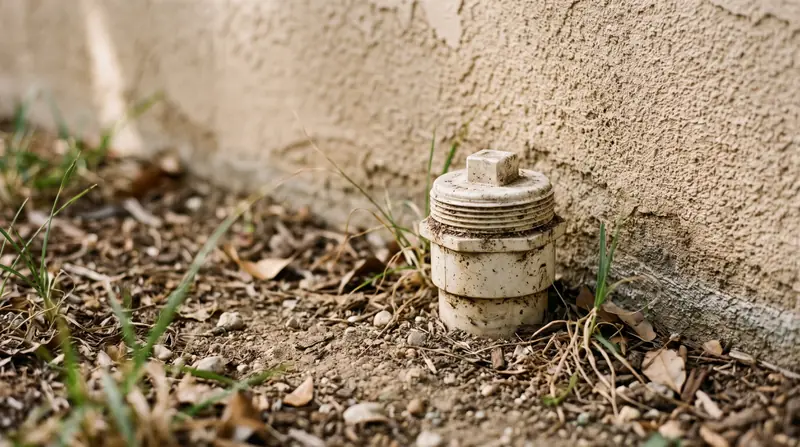
Where Is My Sewer Cleanout? How to Find It and Why It Matters
Learn where a sewer cleanout is usually located, how to recognize it and why finding it before a backup helps a service provider reach your line faster.
Read more →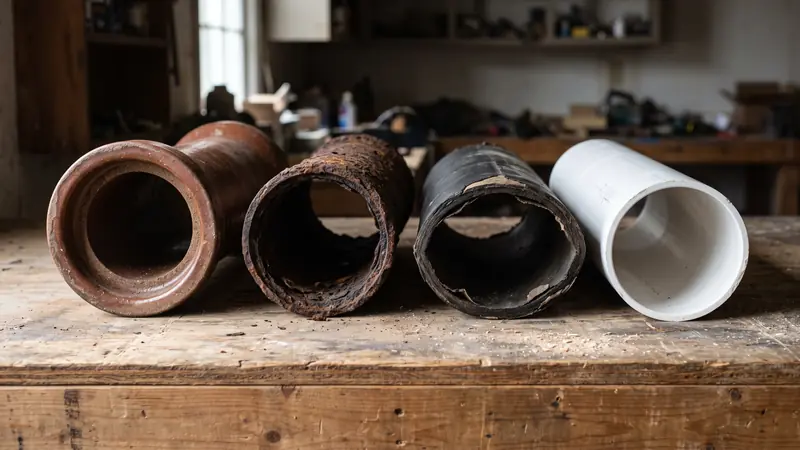
Clay vs Cast Iron vs PVC Sewer Pipe: How Long Each One Lasts
Your sewer pipe material says a lot about how long it has left. Compare clay, cast iron, Orangeburg, ABS, PVC and HDPE in one place.
Read more →