How Contractors Locate an Underground Sewer Line
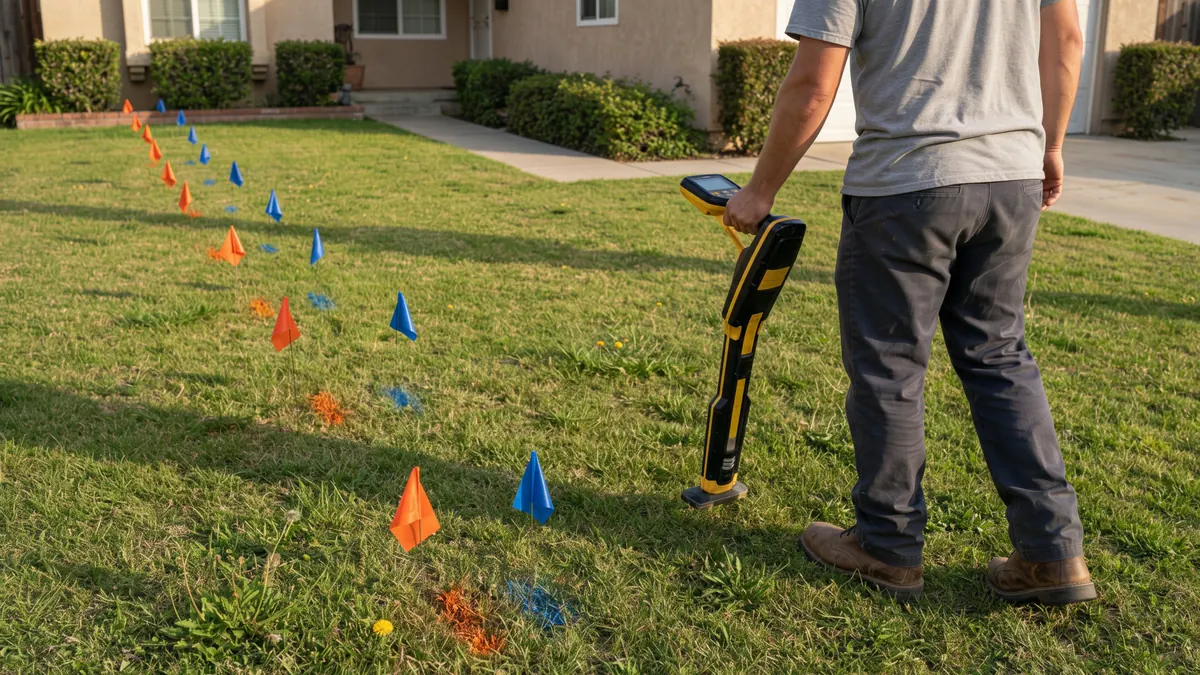
Table of contents
- Why Locating Matters
- The Main Ways a Line Is Located
- Start at the cleanout
- Camera with a transmitter
- Electronic pipe locators
- Records
- Marking and What the Marks Mean
- Why 811 Does Not Mark Private Sewer Lines
- Before You Dig Anything Yourself
- What a Locating Visit Involves
- Limits of Locating
- Questions Homeowners Ask
- Can I find my sewer line with a metal detector?
- How deep is a sewer line?
- Does marking the line damage the lawn?
- Sources and Further Reading
- Next Step
Knowing how contractors locate an underground sewer line explains why a camera inspection often includes marking the pipe on the surface. A sewer lateral is buried, usually undocumented and rarely runs exactly where you would guess. This guide explains the main ways a line is found, how marking is used to plan a repair and why the 811 call-before-you-dig system does not normally cover private sewer pipes.
Why Locating Matters
A repair starts with an accurate location. If the pipe is not where the crew expects, they may dig in the wrong place, damage other utilities or open far more of the yard than necessary. Locating also helps decide whether a pit can be placed in a clear area or whether a driveway or tree is in the way.
The Main Ways a Line Is Located
Start at the cleanout
A cleanout is an access point on the line, so it gives a known starting point. The direction of the pipe from the cleanout often points toward the street.
Camera with a transmitter
A sewer camera often carries a small transmitter built into the head. A handheld receiver above ground picks up the signal, so the operator can find the exact spot and depth of the camera, mark it on the ground and follow it along the pipe. This is how a problem seen on screen is tied to a spot in the yard.
Electronic pipe locators
Where there is no camera access, a transmitter can be placed in the pipe or a signal can be sent along it so a receiver can trace the route above ground. Metal pipe is easiest to trace, while plastic and clay often need a transmitter inside the pipe.
Records
City records and plans can help, but private laterals are often not documented accurately, so records are a starting point, not a final answer.
Marking and What the Marks Mean
Locations are usually marked on the ground with paint or flags. Depth can be recorded as well. Those marks help the provider plan where to dig, where to place pits and how to avoid trees, slabs and other structures. They also let you see the path of the pipe in your own yard.
A locator ties a camera finding to a spot on the surface. That is what turns “there is damage somewhere” into a plan.
A locator turns a finding on screen into a spot on the ground.
Why 811 Does Not Mark Private Sewer Lines
Before digging, excavators are required to contact the regional notification center, which for Los Angeles County is DigAlert at 811, so that utility owners can mark their underground lines. That system is for public utilities. Private lines, such as a sewer lateral on your property, are generally not marked by it, which is why a private locator is used. The Contractors State License Board explains the notification requirement in its article on safe excavation.
Before You Dig Anything Yourself
If you plan any digging, such as installing a fence post or a tree, call 811 first and consider hiring a locator for the private lines. Our guide to trees to avoid planting near a sewer line explains why this matters for landscaping.
What a Locating Visit Involves
- The provider finds the cleanout or another access point.
- A camera with a transmitter is fed into the line, or a transmitter is placed in the pipe.
- A receiver is swept above ground to find the signal.
- Points are marked on the ground with paint or flags, often with depth noted.
- The route is shared with you, so you can see where the pipe runs.
Limits of Locating
Depth readings are estimates, and signals can be affected by nearby metal, other utilities or the soil. Plastic and clay pipe need a transmitter in the pipe to trace them. Marks show where the pipe is, not how well it is supported. A locator and a camera work well together, since the camera shows the condition and the locator shows the place.
Questions Homeowners Ask
Can I find my sewer line with a metal detector?
Not reliably. Most modern and older sewer pipes are not metal, and cast iron may not give a clean reading. A proper locator or a camera transmitter is more dependable.
How deep is a sewer line?
It varies by property and by the depth of the street sewer. A locator can read depth at a given point.
Does marking the line damage the lawn?
Paint and flags are temporary, and they wash away over time. Ask the provider what marking method they use.
Sources and Further Reading
Next Step
If you need your sewer line located before a repair or a project, call now to speak to a specialist at (562) 603-5090, available 24/7, and ask about a camera inspection with locating.
Have a Question About Your Sewer Line?
Call any time to be connected with a local service provider and ask about a camera inspection and its cost. Or send a message and ask about your situation.
Related Guides
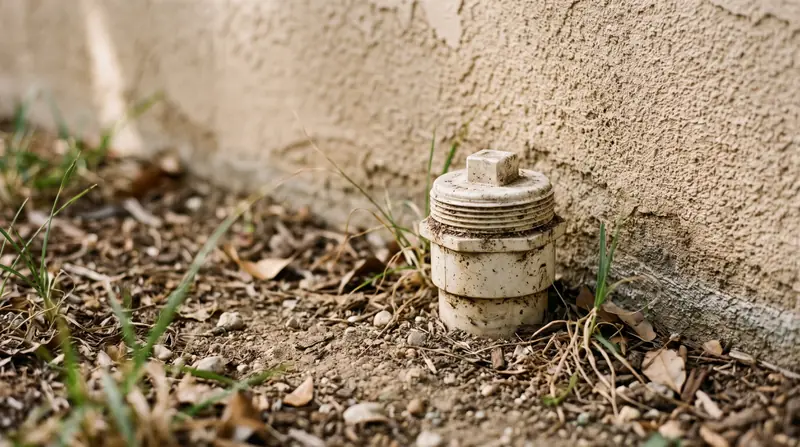
Where Is My Sewer Cleanout? How to Find It and Why It Matters
Learn where a sewer cleanout is usually located, how to recognize it and why finding it before a backup helps a service provider reach your line faster.
Read more →
How to Read a Sewer Camera Inspection Report
Distance counters, clock positions and terms like offset or belly can be confusing. Here is how to read your sewer camera footage and report.
Read more →
How a Home Sewer System Works: Lateral, Main, Cleanout and Vent
From fixture drains to the public sewer main, here is how a home sewer system works and which parts you are responsible for.
Read more →