Trees to Avoid Planting Near a Sewer Line
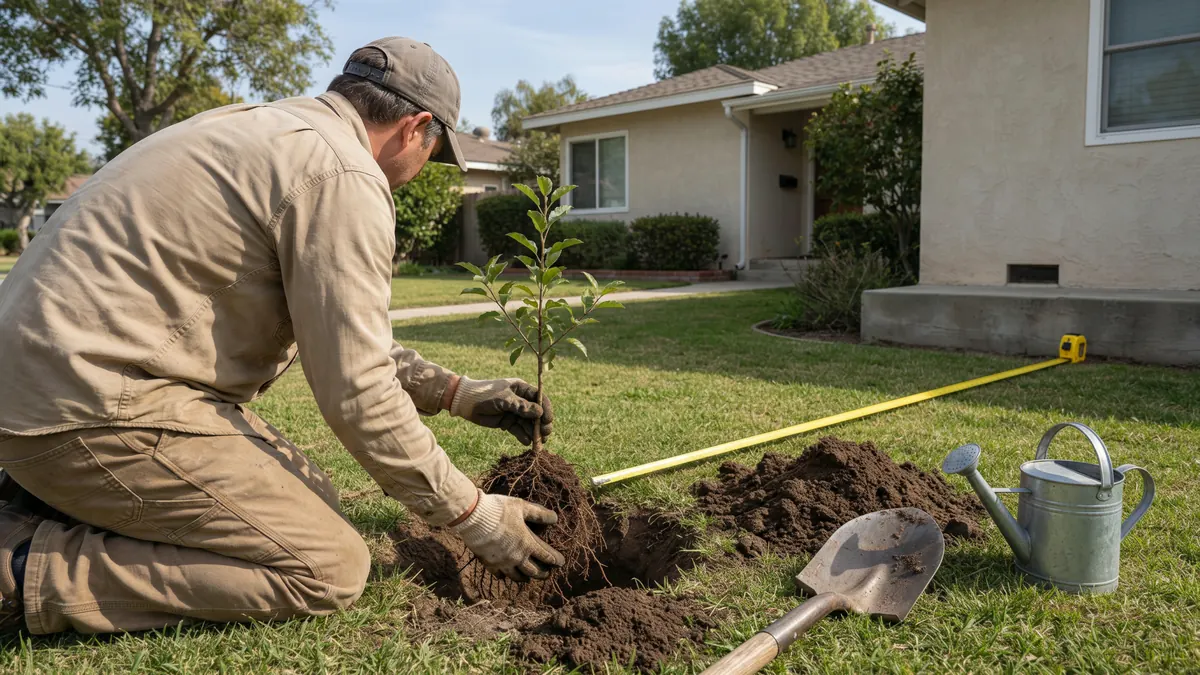
Table of contents
- How Roots Reach a Sewer Line
- Which Trees Need the Most Caution
- How Far Is Far Enough?
- Before You Plant
- If You Already Have a Tree
- Choosing Smaller or Slower-Growing Options
- Watering and Mulch Near the Line
- Questions Homeowners Ask
- Can roots enter a new PVC line?
- Will lining the pipe stop roots?
- Should I remove a tree that has roots in the line?
- Sources and Further Reading
- Next Step
Choosing the trees to avoid planting near a sewer line is much easier than dealing with roots later. Roots are drawn to water and nutrients, and a sewer pipe with a small crack or a loose joint is an easy target. This guide explains how roots reach pipes, which tree traits to be careful with and how to plan the planting so your yard and your sewer line can coexist.
How Roots Reach a Sewer Line
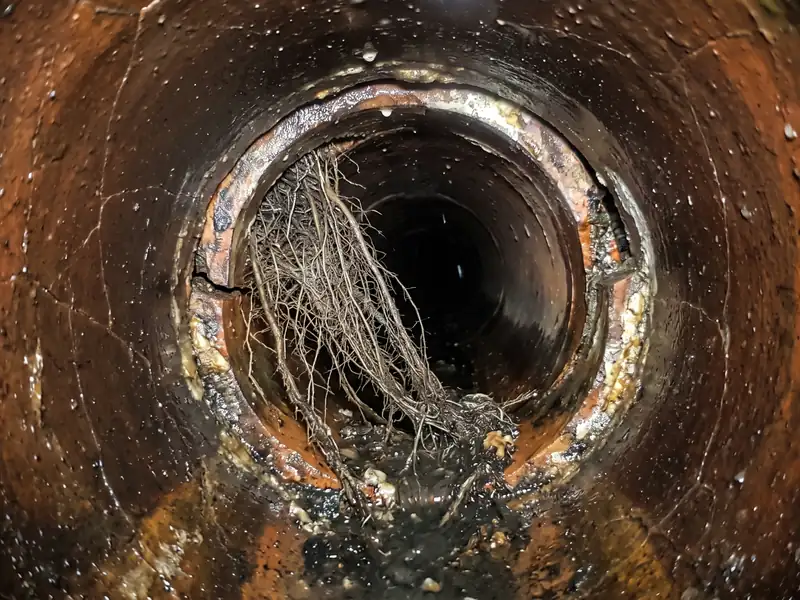
Roots do not usually break a healthy pipe. They find a small gap, such as a loose joint or a crack, and grow in because the pipe holds water and nutrients. Once inside, they thicken and catch debris, which leads to clogs. Our guide to tree roots in sewer lines explains the process, and the University of Washington’s guide to tree roots and sewer lines is a good technical reference.
Which Trees Need the Most Caution
Rather than a fixed list, think about traits:
- Large, fast-growing trees with wide-spreading roots.
- Trees that seek moisture, especially near leaking or damp areas.
- Trees with shallow, aggressive roots that run close to the surface.
Local nurseries and city arborists can name species that suit Southern California soil and say which ones are known to be troublesome near pipes. Ask about the mature size of any tree before you plant it, since a small sapling becomes a large root system.
How Far Is Far Enough?
There is no single safe distance, since it depends on the species, the soil and the pipe. A general approach is to plant large trees well away from the pipe route and to choose smaller species closer to the house. Your city may have guidelines for street trees and for planting near utilities. Ask the city or a local arborist for the rule for your property.
Know where the line is before you plant, and match the tree’s mature size to the space. A small tree near the pipe is a safer choice than a large one.
Know where the line is before you plant.
Before You Plant
- Locate your line. Find the cleanout and ask a provider to mark the path if needed. See how contractors locate an underground sewer line.
- Call 811 before you dig any hole. The DigAlert service marks public utilities, though it does not generally mark private sewer lines.
- Check the pipe’s condition. A camera inspection shows whether there are gaps that roots could use.
- Choose the species and spot with the mature size in mind.
If You Already Have a Tree
If a large tree is near the line, consider scheduled inspections and cleaning. If roots have entered, fix the opening instead of cutting alone. See how often to jet a sewer line and sewer line repair options. Do not remove a valuable tree without asking an arborist, since removal does not always fix a root problem.
Choosing Smaller or Slower-Growing Options
Near the line, consider shrubs, groundcovers and small ornamental trees with modest root systems, and keep large trees well away. Ask the nursery for the mature height, spread and root habit of any tree before you buy. A species suited to your soil and climate is also less likely to chase water through the ground.
Watering and Mulch Near the Line
Roots follow moisture. Avoid constant irrigation directly over the sewer route, and consider drip lines positioned away from it. A layer of mulch holds moisture in the soil near the surface, which is useful for plants but can encourage roots to stay shallow, so keep a sensible distance from the pipe. Report leaks promptly, since a leak can draw roots toward the damp area.
Questions Homeowners Ask
Can roots enter a new PVC line?
A well-installed, continuous plastic pipe has fewer gaps, which makes entry less likely, but connections and damage can still be a path.
Will lining the pipe stop roots?
A liner can seal gaps from the inside, which helps. See pipe lining.
Should I remove a tree that has roots in the line?
Not automatically. Removing it may not stop the problem, and repairing the pipe often does.
Sources and Further Reading
Next Step
If you are planning landscaping and want to know where your line runs, call now to speak to a specialist at (562) 603-5090, available 24/7.
Have a Question About Your Sewer Line?
Call any time to be connected with a local service provider and ask about a camera inspection and its cost. Or send a message and ask about your situation.
Related Guides
Tree Roots in Sewer Lines: Warning Signs, Causes and Fixes
Tree roots are a common cause of repeat sewer clogs. Learn the warning signs, how roots get in and the repair options to ask a service provider about.
Read more →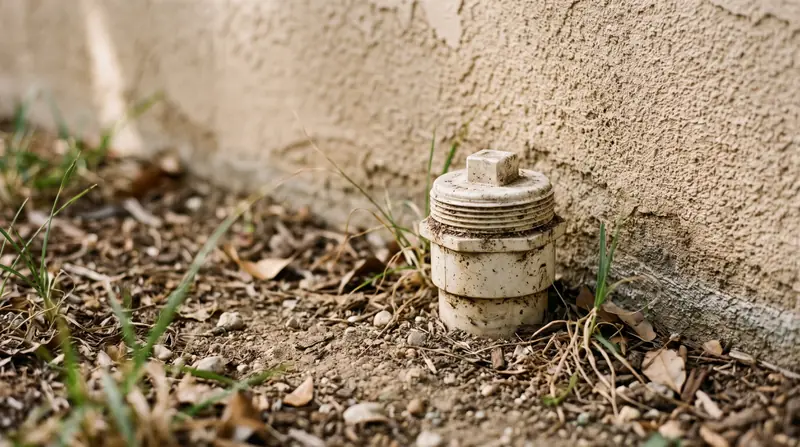
Where Is My Sewer Cleanout? How to Find It and Why It Matters
Learn where a sewer cleanout is usually located, how to recognize it and why finding it before a backup helps a service provider reach your line faster.
Read more →
Sewer Line Maintenance Checklist for Older Homes
Simple monthly, yearly and every-few-years steps that keep an older sewer line flowing and catch problems before they become backups.
Read more →