Several Drains Backing Up at Once: What the Pattern Tells You
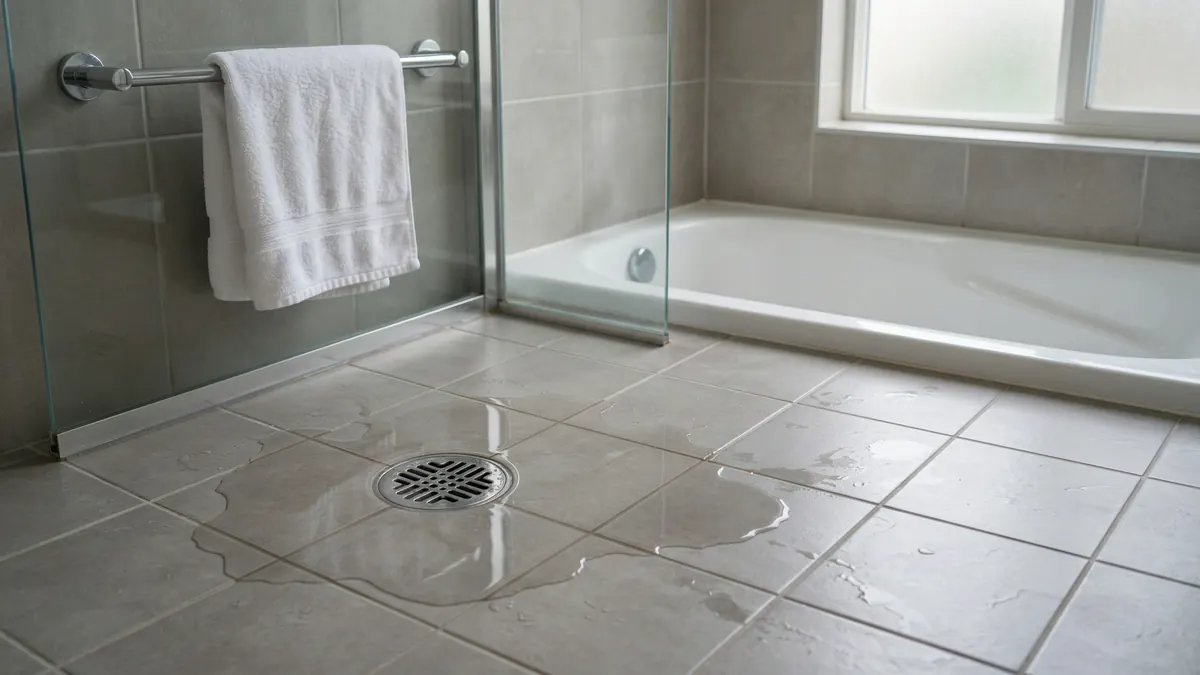
Table of contents
- Why the Pattern Matters
- Reading the Pattern
- Only one fixture is slow
- A shower or tub backs up when a toilet is flushed or the washer runs
- Several fixtures are slow or gurgle together
- A floor drain or the lowest fixture overflows
- What to Do First
- What the Cause Might Be
- Is It the City Main?
- A Five-Minute Check You Can Do
- Questions Homeowners Ask
- Is this an emergency?
- Can I clear it myself?
- Why did it happen suddenly?
- Next Step
Several drains backing up at once is one of the clearest signs that the problem is not in a single sink but further down the line. The pattern of which drains are affected, and in what order, helps show where the blockage is. This guide explains how to read the pattern, which clues point to the main line and what to do while you arrange help.
Why the Pattern Matters
All the drains in a home feed into the same main line. A blockage in one fixture’s branch affects only that fixture. A blockage in the main line affects everything that drains into it. Because gravity pulls wastewater to the lowest outlet, the lowest drain in the house, such as a shower, tub or floor drain, often shows the problem first.
Reading the Pattern
Only one fixture is slow
The problem is likely local. Look at the trap or the branch drain for that fixture. Our guide to a slow drain vs a main line clog explains how to tell.
A shower or tub backs up when a toilet is flushed or the washer runs
This points to a blockage in the main line. Water from the toilet or washer reaches the main, cannot get past the blockage and comes up at the lowest opening.
Several fixtures are slow or gurgle together
This suggests a main line problem or a vent problem. Gurgling can mean air is being pulled through traps. See our guide to clogged plumbing vents and a toilet that gurgles when the washing machine drains.
A floor drain or the lowest fixture overflows
It is the lowest outlet on the system, so it is usually the first to show a main line blockage. See floor drain backing up with the washing machine.
If a drain at a lower level backs up when something upstairs drains, the blockage is likely in the main line, not in the fixture itself.
The lowest drain in the house usually shows a main line problem first.
What to Do First
- Stop using water. Do not run the washer, dishwasher, showers or sinks, since every use adds to the problem.
- Do not flush repeatedly. Each flush can add more wastewater to a blocked line.
- Locate the cleanout. If it is accessible, a provider can use it. See where the cleanout is.
- Call for help. If sewage is coming into the house, treat it as urgent. Our emergency sewer repair page explains what to do first.
- Keep people and pets away from contaminated areas and read our guides on sewage backup cleanup and sewage backup health risks.
What the Cause Might Be
Common causes include roots, grease buildup, a sag, a broken or offset section and flushed items. See why a sewer line keeps clogging. A camera inspection shows which one applies, and the right fix depends on it.
Is It the City Main?
Sometimes a blockage in the public sewer main backs up into several homes at once. If neighbors have the same problem, call the city or sanitation district as well. Read more in our guide to when the city sewer main backs up into your home.
A Five-Minute Check You Can Do
- Note which fixtures are affected and which are not.
- Run one faucet, such as a sink, and see whether water drains normally or another fixture bubbles or rises.
- Look at the lowest drain, such as a floor drain or a downstairs tub, for rising water.
- Do not flush repeatedly to test the line.
- Do not open the cleanout if sewage is backed up behind it unless you are trained to do so. Opening a full cleanout can release sewage.
Share what you noticed with the provider so they can start with a clear picture.
Questions Homeowners Ask
Is this an emergency?
If sewage is entering the home, or drains will not clear at all, treat it as urgent and stop using water. A specialist is available 24/7.
Can I clear it myself?
A plunger can help a single fixture. A main line blockage usually needs a cleaning tool through the cleanout.
Why did it happen suddenly?
Blockages build gradually and then show up suddenly when the opening closes. Roots, grease and a sag are common reasons.
Next Step
If more than one drain is backing up, act quickly. Call now to speak to a specialist at (562) 603-5090, available 24/7.
Have a Question About Your Sewer Line?
Call any time to be connected with a local service provider and ask about a camera inspection and its cost. Or send a message and ask about your situation.
Related Guides
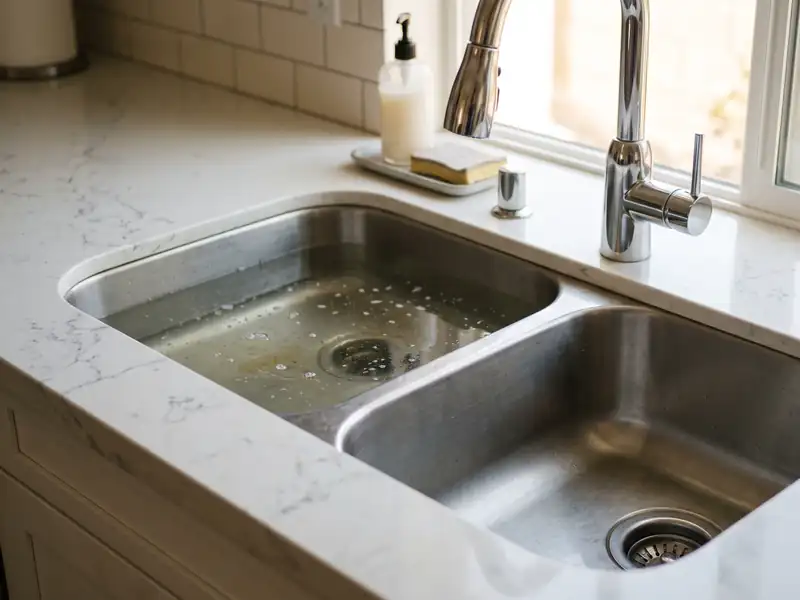
Slow Drain or Main Line Clog? How to Tell the Difference
One slow sink or a failing main sewer line? Learn the signs, a safe at-home check and when to call a service provider about a camera inspection.
Read more →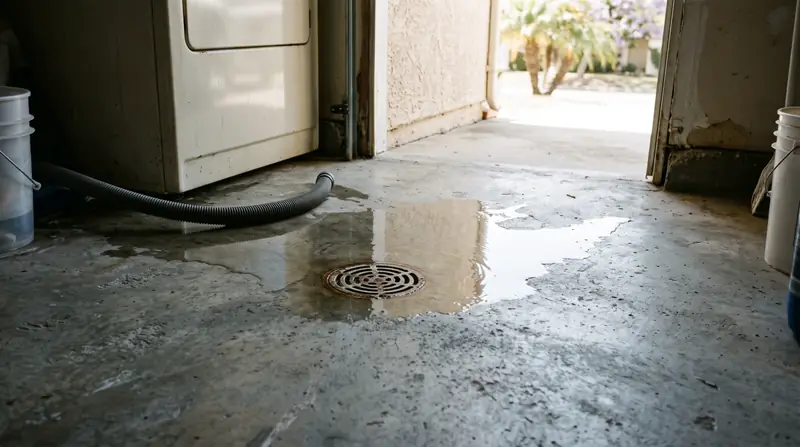
Floor Drain Backing Up When the Washing Machine Drains
When a floor drain backs up as the washing machine drains, the main sewer line may be partly blocked. Learn why it happens and what to do before it gets worse.
Read more →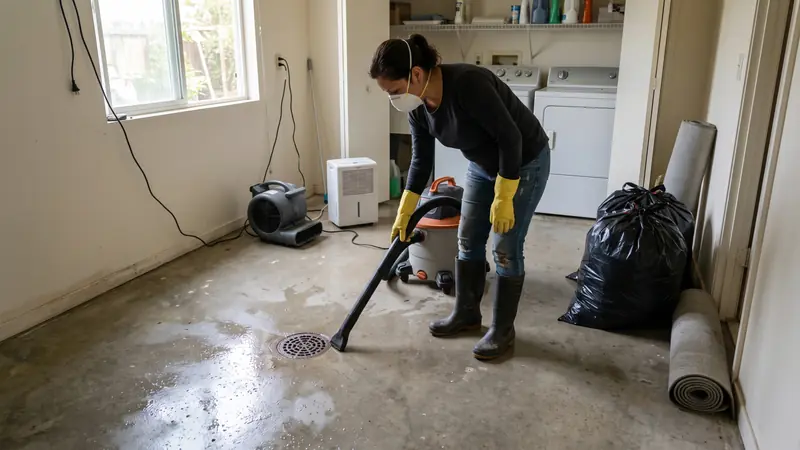
Sewer Backup Cleanup: What to Do in the First 24 Hours
Once the line is cleared, the cleanup begins. How to stay safe, what to throw away, how to dry the room and what to save for insurance.
Read more →