Why Does My Sewer Line Keep Clogging?
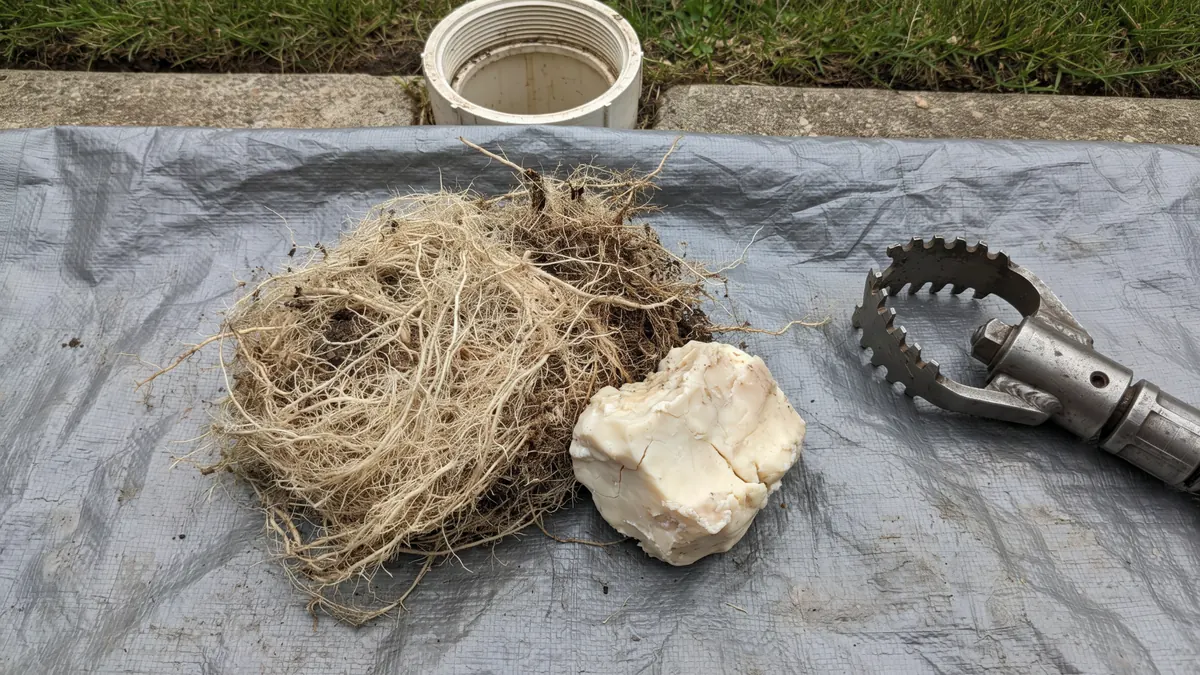
Table of contents
- One Clog vs a Repeat Clog
- The Common Causes
- Tree roots
- Grease and buildup
- A sag or belly
- Offsets and damaged joints
- Items that do not break down
- Old or deteriorated pipe
- How to Find the Cause
- What Not to Do
- A Simple Log to Keep
- Why the Gap Between Clogs Matters
- Questions Homeowners Ask
- How often should a clogged main line be cleaned?
- Is it my pipe or the city’s?
- Can I prevent repeat clogs?
- Sources and Further Reading
- Next Step
When a sewer line keeps clogging, clearing it again rarely solves the problem, because the thing that causes the clog is usually still there. A single clog can be bad luck. A repeat clog is a signal. This guide explains the common reasons a line clogs again and again and how to work out which one applies to your home before you pay for another cleaning.
One Clog vs a Repeat Clog
A single blockage may come from something that was flushed or poured down the drain. When the same line clogs again within weeks or months, the cause is more likely to be in or around the pipe: roots, a sag, a damaged joint, buildup on the walls or a habit in the home. Clearing the pipe is a fix for the symptom. Finding the cause is the fix for the problem.
The Common Causes
Tree roots
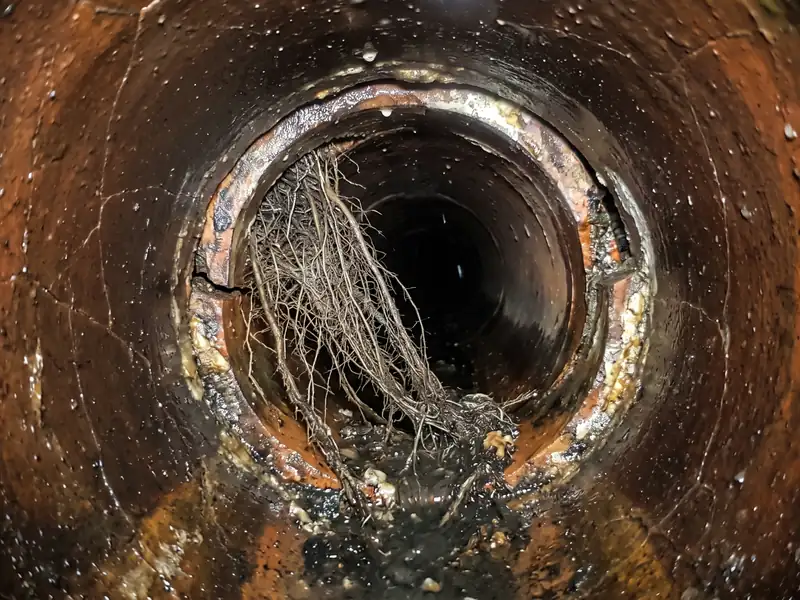
Roots seek moisture and can enter through cracks or loose joints, then grow into a dense mass. Cutting them clears the line for a while, but if the opening remains, they return. See our guide to tree roots in sewer lines. The University of Washington’s guide to tree roots and sewer lines notes that removing roots mechanically is not a permanent solution.
Grease and buildup
Grease cools and sticks to the inside of the pipe, then collects other debris. Over time the opening narrows. Our guide on grease and sewer clogs explains how this builds.
A sag or belly
A low spot holds water and waste, so solids settle there. Cleaning clears it temporarily, but it fills again. See bellied sewer lines.
Offsets and damaged joints
A step where two pipes no longer line up can catch paper and debris. See our guide to offset sewer pipe joints.
Items that do not break down
Wipes, hygiene products and similar items catch on roots or rough spots and build up. Read our guides on flushable wipes and what not to flush.
Old or deteriorated pipe
Aging materials such as cast iron develop rough, scaled interiors that trap debris.
If a line clogs again within weeks or months, the cause is probably in the pipe. A camera inspection shows which one it is.
Clearing a clog treats the symptom. Finding the cause fixes the problem.
How to Find the Cause
- Note the pattern. Which fixtures slow down, and how often.
- Check what goes down the drain. Wipes, grease and other items.
- Get a camera inspection. It shows roots, sags, offsets, cracks and buildup directly. See sewer camera inspection.
- Match the fix to the cause. Cleaning for buildup, a repair for damage, a replacement for a failing pipe. Our guide to sewer line repair options lists the choices.
What Not to Do
Repeated use of harsh liquid cleaners is not a fix for a structural cause and can be hard on old pipes. Read our guide on liquid drain cleaners and old sewer pipes.
A Simple Log to Keep
Write down each time the line backs up or slows:
- The date.
- Which fixtures were affected.
- What was done to clear it and by whom.
- What was found, such as roots, grease or nothing obvious.
- How long it took to return.
A log turns a vague feeling into a pattern a provider can use.
Why the Gap Between Clogs Matters
If a clog returns within weeks, the cause is probably close to the point of the clog, such as a sag, a root mass or an offset. If clogs are months or years apart, buildup or a habit in the household is more likely. Neither is a reason to wait for the next one. A camera shows what is really there, and the fix can then match the cause.
Questions Homeowners Ask
How often should a clogged main line be cleaned?
Cleaning on a schedule can manage buildup, but if clogs return quickly, look for the cause. Our guide on how often to jet a sewer line covers timing.
Is it my pipe or the city’s?
Clogs in your private lateral are usually your responsibility, while the public main belongs to the agency. See who is responsible for the sewer lateral.
Can I prevent repeat clogs?
You can reduce them by controlling what goes down the drain and managing roots, but if the pipe is damaged, repair is the lasting fix.
Sources and Further Reading
Next Step
If you have cleared the same line more than once, find out why. Call now to speak to a specialist at (562) 603-5090, available 24/7, and ask about a camera inspection.
Have a Question About Your Sewer Line?
Call any time to be connected with a local service provider and ask about a camera inspection and its cost. Or send a message and ask about your situation.
Related Guides
Tree Roots in Sewer Lines: Warning Signs, Causes and Fixes
Tree roots are a common cause of repeat sewer clogs. Learn the warning signs, how roots get in and the repair options to ask a service provider about.
Read more →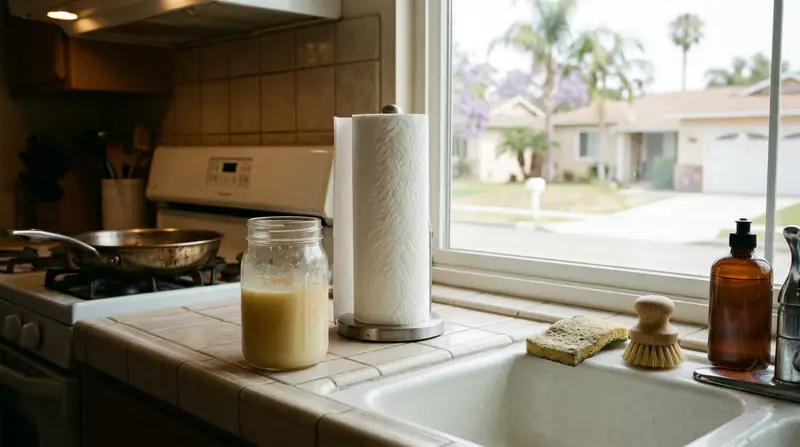
Cooking Grease and Sewer Clogs: How to Prevent Them
Cooking grease cools and hardens inside sewer pipes, causing clogs and backups. Learn how to dispose of grease properly and protect your sewer line.
Read more →
Slow Drain or Main Line Clog? How to Tell the Difference
One slow sink or a failing main sewer line? Learn the signs, a safe at-home check and when to call a service provider about a camera inspection.
Read more →