What Not to Flush or Pour Down the Drain
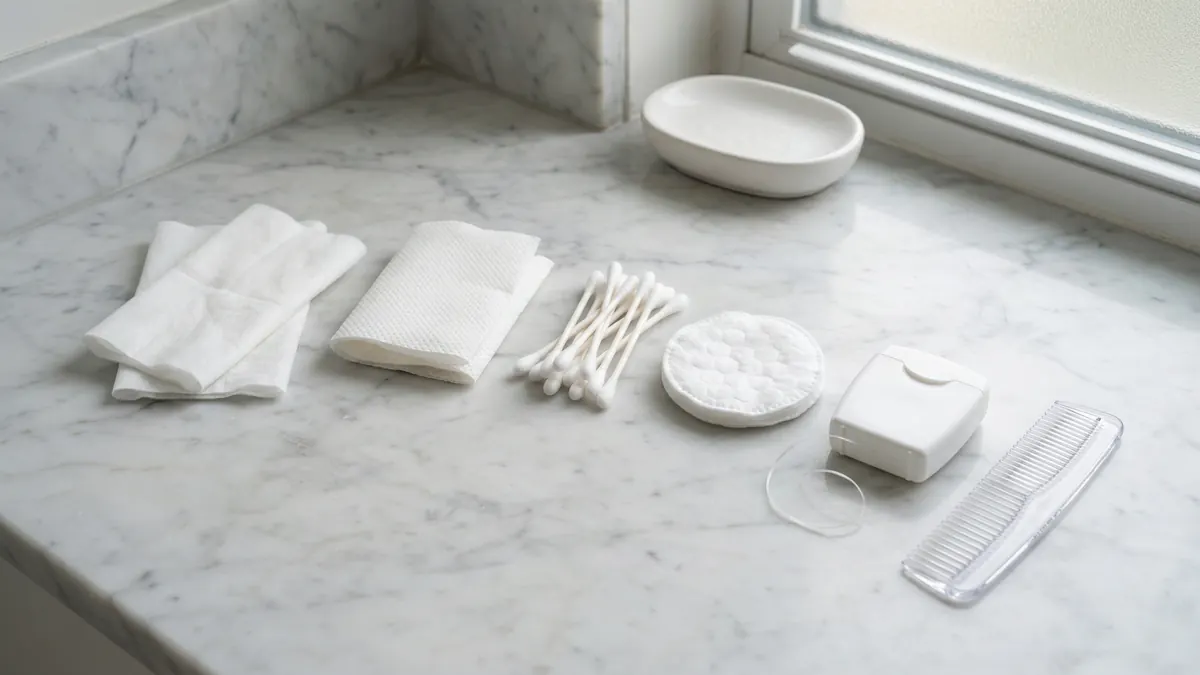
Table of contents
- Why It Matters
- Items to Keep Out of the Toilet
- Items to Keep Out of the Kitchen Drain
- Items to Keep Out of the Bathroom and Laundry Drains
- What to Do Instead
- If Something Has Already Gone Down
- Getting the Whole Household on Board
- Why Labels Are Not a Reliable Guide
- Questions Homeowners Ask
- Are septic-safe or biodegradable wipes okay to flush?
- Is a garbage disposal enough to protect my drain?
- How often should I clean the line if I am careful?
- Next Step
Knowing what not to flush or pour down the drain is one of the simplest ways to protect your sewer line, because many clogs begin with something that should have gone in the trash. Toilets and drains are designed for wastewater, toilet paper and a limited range of things, and everything else can catch, build up or harden. This guide lists the items to keep out, explains why they cause trouble and suggests what to do with each instead.
Why It Matters
A sewer line moves waste by gravity with only a gentle slope. Anything that does not break down can snag on a rough spot, a joint or a root and then collect more material. Over time a small snag becomes a blockage. Items that seem harmless in a single use can add up across a household and a street.
Items to Keep Out of the Toilet
- Wipes of any kind, even those labeled as flushable. See our guide to flushable wipes.
- Cotton swabs, cotton balls and cotton pads.
- Dental floss.
- Paper towels and tissues that are thicker than toilet paper.
- Feminine hygiene products and diapers.
- Hair.
- Medications. Check local disposal guidance for medicine.
- Cat litter and other pet waste products.
Items to Keep Out of the Kitchen Drain
- Cooking grease, fat and oil. They cool and stick to the pipe. See grease and sewer clogs.
- Coffee grounds, which clump and settle.
- Eggshells, rice, pasta and food scraps, which swell or collect.
- Starchy and fibrous foods that can bind together.
Items to Keep Out of the Bathroom and Laundry Drains
- Hair that collects with soap and builds into a mat. Use a drain strainer.
- Cleaning chemicals poured in quantity, which can affect old pipes. Read our guide on liquid drain cleaners and old sewer pipes.
- Paint, solvents and other hazardous liquids. Use household hazardous waste disposal.
If it is not toilet paper or human waste, it belongs in the trash. In the kitchen, wipe grease from pans before washing and put it in the trash.
If it is not toilet paper or human waste, it belongs in the trash.
What to Do Instead
- Keep a small lidded trash can in the bathroom.
- Let grease cool, then put it in a sealed container for the trash.
- Scrape plates into the trash or compost before rinsing.
- Use strainers in the shower, tub and kitchen sink.
- Follow local disposal rules for medications and hazardous liquids.
If Something Has Already Gone Down
A single item may pass through. If you notice slow drains, gurgling or repeated clogs, a camera inspection can show whether something is stuck or whether the pipe has a defect that catches debris. See why a sewer line keeps clogging.
Getting the Whole Household on Board
A sewer line is shared by everyone in the home, so habits matter more than rules on a list. A few ideas help:
- Put a small lidded trash can in every bathroom so the right choice is easy.
- Tell guests and family members what belongs in the toilet.
- Keep a container for kitchen grease near the stove.
- Explain the reason, since people follow rules they understand.
Why Labels Are Not a Reliable Guide
A package that says an item is flushable or biodegradable does not mean it breaks down quickly in a real pipe with roots, joints and a gentle slope. When in doubt, use the trash. Our guide to flushable wipes explains why.
Questions Homeowners Ask
Are septic-safe or biodegradable wipes okay to flush?
Labels are not a reliable guide. The safest approach is to put all wipes in the trash.
Is a garbage disposal enough to protect my drain?
No. A disposal grinds food, but grease and starchy material can still build up in the pipe.
How often should I clean the line if I am careful?
See our maintenance checklist for a sensible routine.
Next Step
If you suspect something is stuck in your line, call now to speak to a specialist at (562) 603-5090, available 24/7.
Have a Question About Your Sewer Line?
Call any time to be connected with a local service provider and ask about a camera inspection and its cost. Or send a message and ask about your situation.
Related Guides
Are Flushable Wipes Safe for Your Sewer Line?
The package says flushable, but your sewer line may disagree. Why wipes cause clogs and what to flush instead.
Read more →
Cooking Grease and Sewer Clogs: How to Prevent Them
Cooking grease cools and hardens inside sewer pipes, causing clogs and backups. Learn how to dispose of grease properly and protect your sewer line.
Read more →
Sewer Line Maintenance Checklist for Older Homes
Simple monthly, yearly and every-few-years steps that keep an older sewer line flowing and catch problems before they become backups.
Read more →