Liquid Drain Cleaners and Old Sewer Pipes: Risks and Alternatives
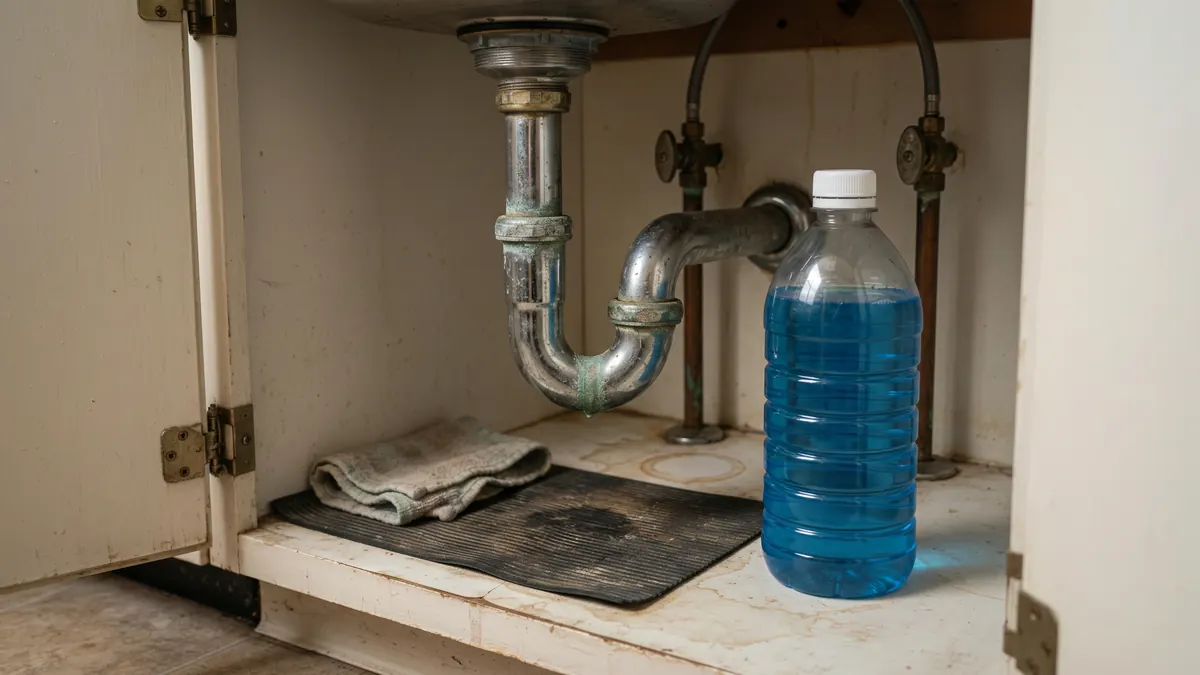
Table of contents
- What Liquid Drain Cleaners Are
- Risks to Consider
- Risk to people
- Risk to old pipes and fittings
- Risk to the person who comes next
- The clog may not be where the chemical goes
- What to Try First
- Prevention
- What to Tell the Provider
- Safer Habits
- Questions Homeowners Ask
- Are enzyme cleaners safer?
- Can I use a drain cleaner if my pipes are new?
- Should I use a cleaner before calling a plumber?
- Next Step
Liquid drain cleaners are easy to buy and tempting to use, but they are a poor match for old sewer pipes and for a clog that sits in the main line. These products are strong chemicals designed to dissolve material in a small drain. They can be hazardous to you, hard on old fittings and ineffective on the real problem. This guide explains the risks, what to tell a provider and what to try first.
What Liquid Drain Cleaners Are
Most are corrosive or caustic products meant to dissolve hair, grease and soap in a sink or tub drain. They are not designed for a blocked main sewer line, and the amounts and conditions in a main line are very different from a sink trap.
Risks to Consider
Risk to people
These products can burn skin and eyes, and the fumes can irritate the lungs. Never mix cleaners, since some combinations release dangerous gases. If someone is exposed or swallows a product, contact the Poison Help line at 1-800-222-1222 or seek emergency care. Follow the label and keep products away from children and pets.
Risk to old pipes and fittings
Strong chemicals and the heat they produce can stress older metal fittings, traps and joints. Look at the corroded trap in the photo at the top of this page for a sense of how old fittings can look. Repeated use can add to wear on parts that are already weak.
Risk to the person who comes next
If a cleaner has been poured into a blocked line and the line is then opened for service, the chemical may still be in the water. Tell the provider what you used and when. It matters for their safety as well as yours.
The clog may not be where the chemical goes
A chemical poured into a sink does not necessarily reach a blockage deep in the main line, and it will not remove roots, a sag or a broken pipe.
If you have used a chemical cleaner, tell the provider. If a clog keeps returning, the cause is probably not something a chemical can fix.
If you have used a chemical cleaner, tell the provider.
What to Try First
- A plunger for a single fixture.
- A hand-operated drain tool for hair in a sink or tub.
- Hot water and a mild cleaning routine for light buildup, with care for the pipe material.
- A professional cleaning through the cleanout for a main line. See slow drain vs main line clog.
- A camera inspection if clogs come back. See why a sewer line keeps clogging.
Prevention
Keep grease out of the drain, use strainers and avoid flushing items that do not break down. Our guides on grease and sewer clogs and what not to flush explain how, and our maintenance checklist lists the routine.
What to Tell the Provider
If you have used a chemical cleaner, share these details before anyone opens the line or puts hands in the water:
- The product name and what is on the label.
- How much you used and when.
- Where you poured it, such as a sink, tub or toilet.
- Whether you mixed products, even by accident.
This helps the provider protect themselves and choose a safe method.
Safer Habits
Use a strainer, keep grease out of drains, and flush hot water after washing greasy dishes only if that suits your pipe. Treat repeat clogs as a sign to find the cause, not to add stronger chemicals. See sewer line maintenance checklist.
Questions Homeowners Ask
Are enzyme cleaners safer?
They are generally gentler, but they work slowly and are meant for light buildup. They will not clear a main line blockage.
Can I use a drain cleaner if my pipes are new?
Even in newer pipe, follow the label and consider a mechanical method first. A repeat clog still points to a cause that a cleaner will not fix.
Should I use a cleaner before calling a plumber?
It is better not to. A chemical in a blocked line can make the work riskier. If you already did, tell the provider.
Next Step
If a drain keeps clogging or a main line is backing up, call now to speak to a specialist at (562) 603-5090, available 24/7, and mention any cleaner you have used.
Have a Question About Your Sewer Line?
Call any time to be connected with a local service provider and ask about a camera inspection and its cost. Or send a message and ask about your situation.
Related Guides
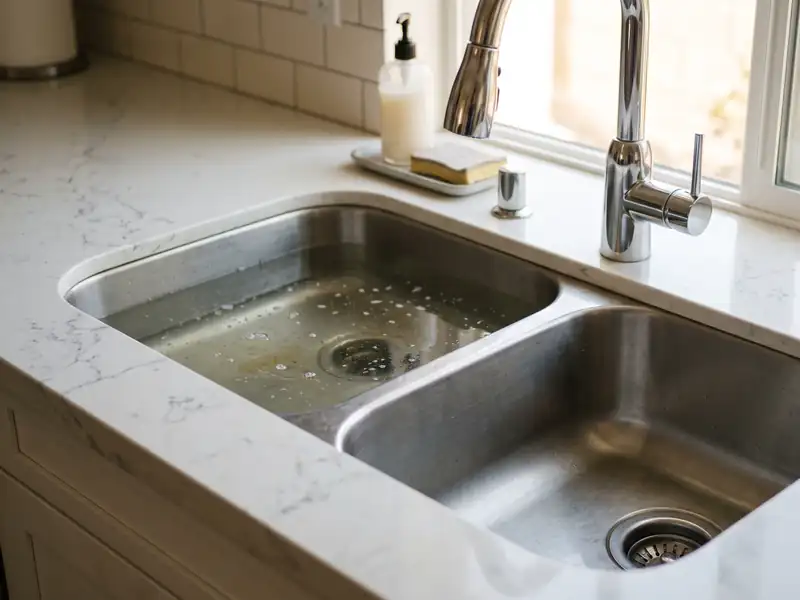
Slow Drain or Main Line Clog? How to Tell the Difference
One slow sink or a failing main sewer line? Learn the signs, a safe at-home check and when to call a service provider about a camera inspection.
Read more →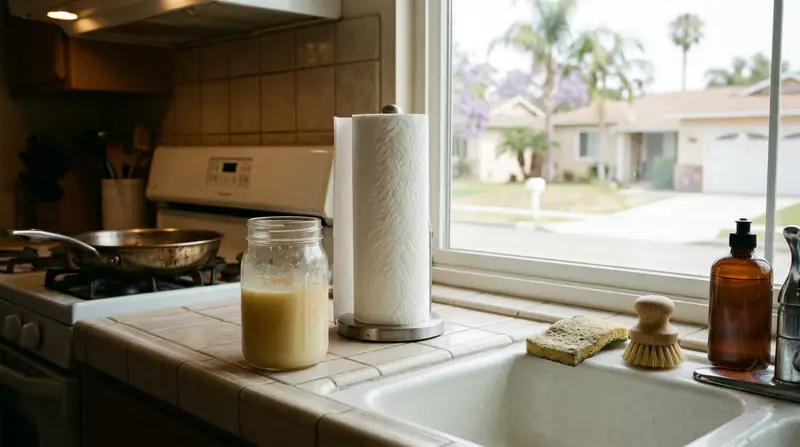
Cooking Grease and Sewer Clogs: How to Prevent Them
Cooking grease cools and hardens inside sewer pipes, causing clogs and backups. Learn how to dispose of grease properly and protect your sewer line.
Read more →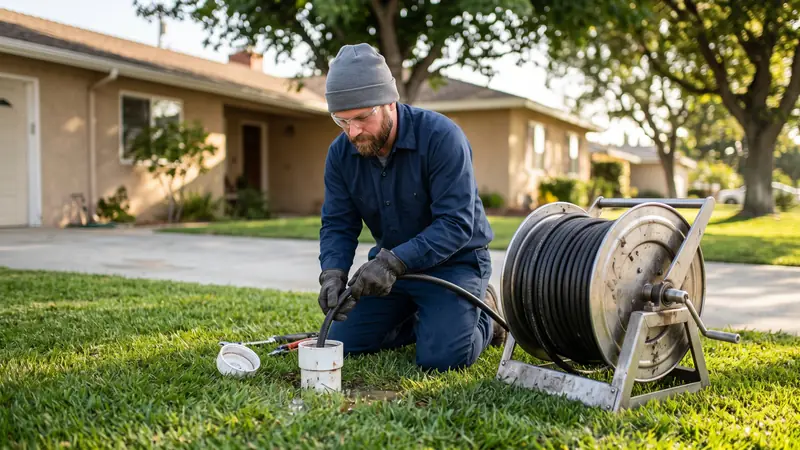
Sewer Line Maintenance Checklist for Older Homes
Simple monthly, yearly and every-few-years steps that keep an older sewer line flowing and catch problems before they become backups.
Read more →