Sewage Backup Health Risks and When to Leave the House
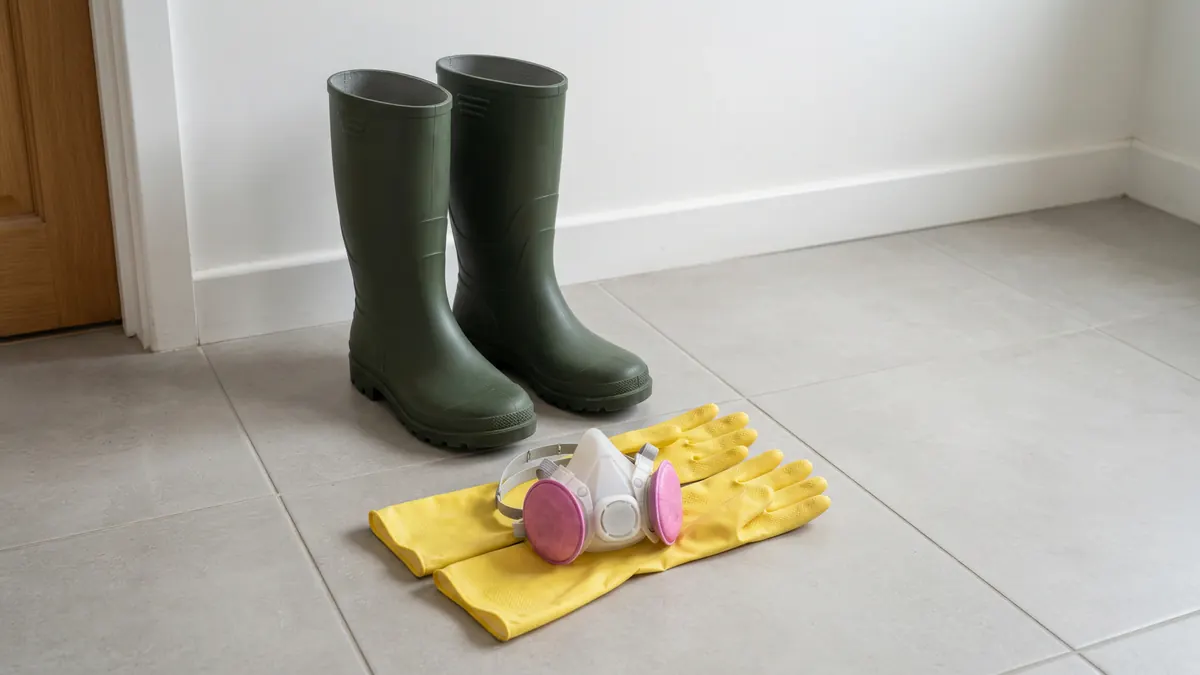
Table of contents
- Why Sewage Is a Health Concern
- Immediate Steps
- Protecting Yourself During Cleanup
- What Usually Cannot Be Saved
- When to Leave the House
- When to Seek Medical Care
- Fix the Cause
- Pets and Children
- Final Checks After Cleanup
- Questions Homeowners Ask
- Can I clean it myself?
- How long after cleanup is it safe to return?
- Does bleach make it safe?
- Sources and Further Reading
- Next Step
Sewage backup health risks are real, because wastewater can carry bacteria, viruses and parasites, and contact with it is not something to treat casually. When sewage comes into a home, the priority is to protect people first and the building second. This guide explains the health concerns, the basic protective steps recommended by public health agencies and when it makes sense to leave the home while it is made safe. It is general information, not medical advice.
Why Sewage Is a Health Concern
Floodwater and sewage can contain disease-causing organisms. The U.S. Centers for Disease Control and Prevention explains in its floodwater safety guidance that contaminated water can carry germs, and that contact through skin, eyes, mouth or breaks in the skin can cause illness. Children, older adults, pregnant people and anyone with a weakened immune system are generally at higher risk, so consider keeping them away from the affected area.
Immediate Steps
- Stop using water to avoid adding more wastewater.
- Keep people and pets out of the affected area, especially children.
- Turn off electricity to wet areas only if you can do so safely. If water is near outlets or appliances, call a qualified person instead.
- Call for help. Our emergency sewer repair page explains what to do first, and a specialist is available 24/7.
- Document the damage with photos for insurance. See whether insurance covers a sewer backup.
Protecting Yourself During Cleanup
The CDC’s guidance on cleaning safely after a disaster advises protective gear and careful hygiene. In general that means:
- Waterproof boots, rubber gloves and eye protection.
- A suitable mask for dusty or moldy work.
- Washing hands with soap and clean water after contact and before eating.
- Covering cuts and wounds and seeking medical attention if they become red, swollen or painful.
- Keeping contaminated items away from food areas.
Treat any water that has come from a sewer as contaminated. Wear protection, wash thoroughly and keep children and pets away.
Treat any water from a sewer as contaminated.
What Usually Cannot Be Saved
Porous materials that soak up contaminated water, such as carpet, padding, insulation and some drywall, are often removed and discarded. The CDC advises discarding items that cannot be properly cleaned and disinfected. Hard, nonporous surfaces can usually be cleaned and disinfected. Our guide to sewage backup cleanup explains the process.
When to Leave the House
Consider staying elsewhere if:
- The backup is large or has reached several rooms.
- The source is not yet fixed and water may return.
- Strong odors are present, or anyone is experiencing symptoms. See whether sewer gas is dangerous.
- Vulnerable people live in the home, such as infants, older adults or anyone with a health condition.
- Cleanup will be extensive, since it may involve opening walls and floors.
When in doubt, ask a professional cleanup provider or your local health department about the situation.
When to Seek Medical Care
Get medical advice if anyone develops stomach illness, fever, skin infections, eye irritation or breathing problems after exposure. Mention the sewage contact to the clinician.
Fix the Cause
Cleanup does not help if the line is still blocked or broken. A camera inspection finds the cause, and our guide to several drains backing up at once helps you read the pattern.
Pets and Children
Keep children and pets out of the affected area until cleanup is complete, and remember that pets can carry contamination on their paws and fur. Wash hands and surfaces they touch, and talk to a veterinarian or pediatrician if you have concerns after exposure.
Final Checks After Cleanup
Before using the space again, confirm that the source is fixed, the area is clean and dry, contaminated materials have been removed and no odors remain. If you hired a cleanup provider, ask what was done and whether any follow-up is recommended. See mold after a sewage backup.
Questions Homeowners Ask
Can I clean it myself?
A small backup on hard surfaces may be handled with proper protection, but large or deep contamination is better handled by professionals with the right equipment.
How long after cleanup is it safe to return?
It depends on the extent and on how thoroughly the area was cleaned and dried. Ask the cleanup provider and the health department.
Does bleach make it safe?
Cleaning comes first, since disinfectant works on cleaned surfaces. Follow the product directions and never mix cleaners.
Sources and Further Reading
Next Step
If sewage is in your home, call now to speak to a specialist at (562) 603-5090, available 24/7, and keep everyone away from the contaminated area.
Have a Question About Your Sewer Line?
Call any time to be connected with a local service provider and ask about a camera inspection and its cost. Or send a message and ask about your situation.
Related Guides
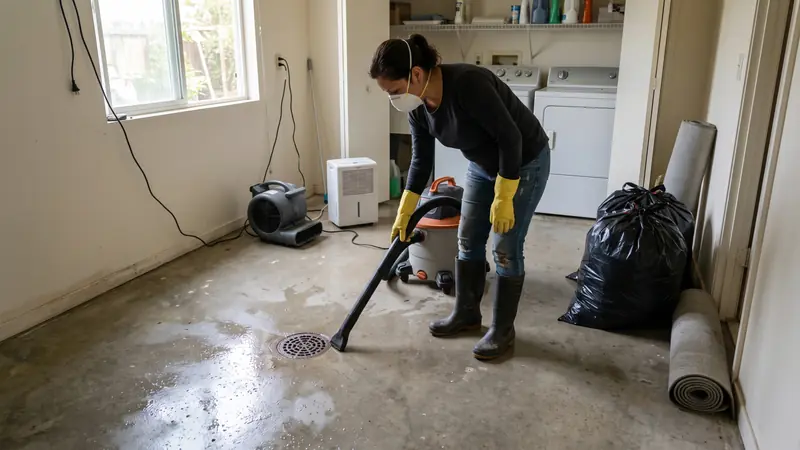
Sewer Backup Cleanup: What to Do in the First 24 Hours
Once the line is cleared, the cleanup begins. How to stay safe, what to throw away, how to dry the room and what to save for insurance.
Read more →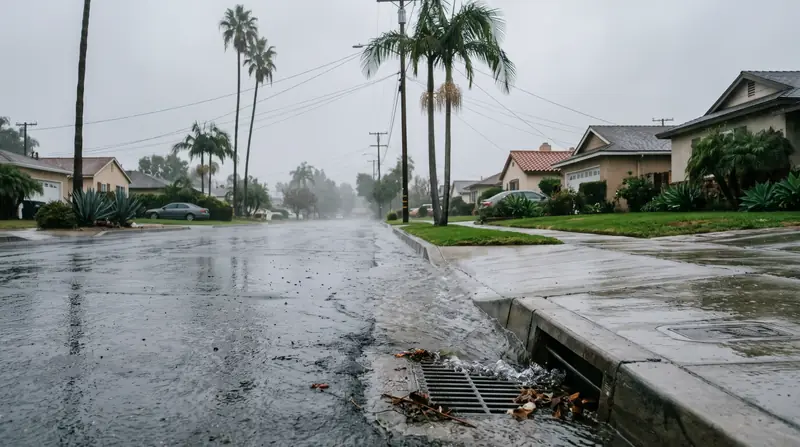
Heavy Rain and Sewer Backups in Southern California
Heavy rain can overload sewer systems and expose cracked pipes, causing backups. Learn why storms trigger problems and how to protect your home.
Read more →
Does Homeowners Insurance Cover a Sewer Backup?
Many homeowners policies exclude sewer backups unless you add an endorsement. Learn what to check in your policy and how to document a backup.
Read more →