Mold After a Sewage Backup: Prevention and Cleanup
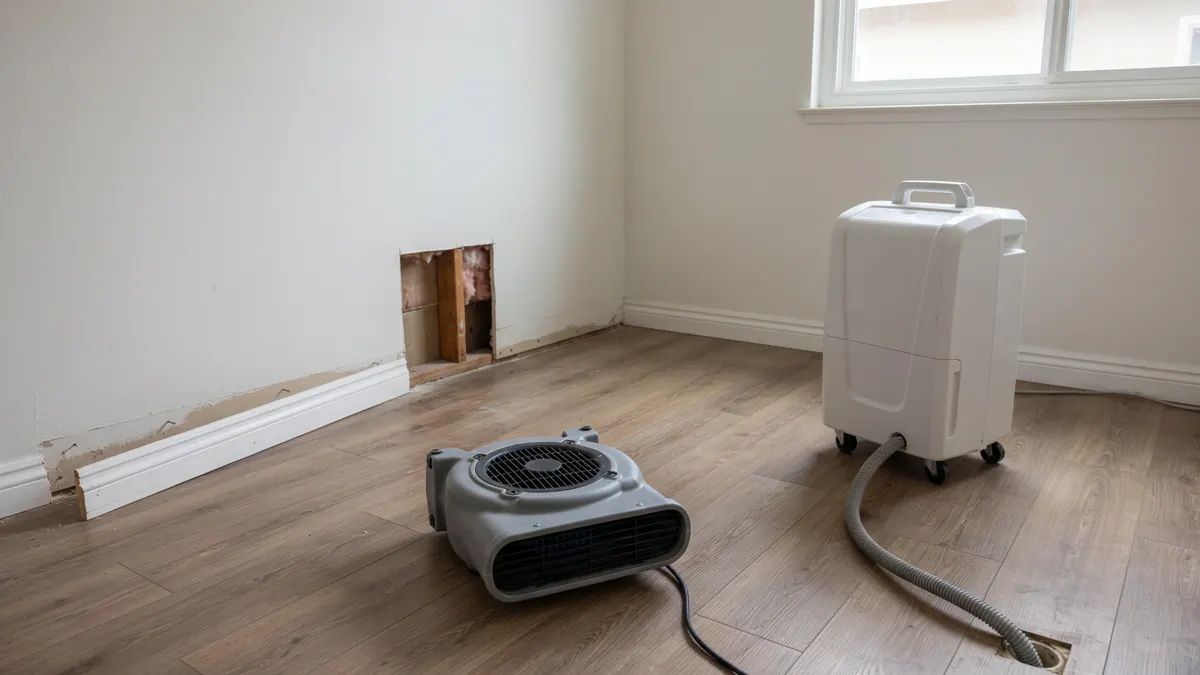
Table of contents
- Why Mold Follows Water
- Sewage Changes the Rules
- What to Do After a Backup
- Protecting Yourself
- When to Call a Professional
- Insurance and Documentation
- Signs to Watch For After Drying
- Working With a Cleanup Professional
- Questions Homeowners Ask
- How fast does mold grow?
- Can I paint over mold?
- Do I need a mold test?
- Sources and Further Reading
- Next Step
Mold after a sewage backup is a risk because the same moisture that soaks into floors and walls also feeds mold. Time matters, and so does the fact that sewage is contaminated water, which changes how cleanup should be done. This guide explains why mold can follow a backup, how quickly materials need to be dried and why a sewage backup is a case for professional advice. It is general information, not medical or remediation advice.
Why Mold Follows Water
Mold needs moisture. After water damage, damp materials can support mold growth if they stay wet. The U.S. Environmental Protection Agency’s brief guide to mold, moisture and your home explains that moisture control is the key to mold control and that wet materials should be dried quickly, generally within 24 to 48 hours, to prevent mold growth.
Sewage Changes the Rules
Ordinary clean water damage and a sewage backup are not the same. Sewage is contaminated, so wet materials may need to be removed and discarded instead of dried. Our guide to sewage backup health risks explains the contamination concern, and the EPA guidance indicates that when contaminated water is involved, you should consult professionals experienced with cleanup of such water.
Dry fast, but for sewage, do not assume drying is enough. Contaminated porous materials are often removed, not saved.
Dry fast, but with sewage, drying alone is often not enough.
What to Do After a Backup
- Fix the source first. Drying is pointless if water keeps coming. See why a sewer line keeps clogging and sewer line repair options.
- Remove contaminated porous materials. Carpet, padding, insulation and some drywall are often discarded. See sewage backup cleanup.
- Clean and disinfect hard surfaces following safe practices.
- Dry the structure. Use fans, dehumidifiers and ventilation, and check that framing and wall cavities are dry.
- Monitor. Watch for musty odors or discoloration in the weeks after.
Protecting Yourself
Mold and sewage cleanup both call for protective gear. See the CDC’s guidance on cleaning safely after a disaster on masks, gloves and eye protection. People with asthma, allergies or weakened immune systems should stay away from the work area.
When to Call a Professional
Call a cleanup professional if the backup was large, reached walls or insulation, was not dried quickly or has already produced a musty smell or visible growth. Ask what standard the provider follows, how they dry the structure and whether they check moisture levels afterward.
Insurance and Documentation
Photograph the damage before cleanup, keep receipts and tell your insurer promptly. Read our guide on whether homeowners insurance covers a sewer backup for what to check in the policy.
Signs to Watch For After Drying
- A musty odor that does not go away.
- Discoloration or spotting on walls, ceilings or baseboards.
- Warped or swollen materials.
- Persistent dampness in a wall cavity or under flooring.
- New allergy-like symptoms that seem tied to the area.
Contact a professional if you notice any of these.
Working With a Cleanup Professional
Ask what they remove, how they dry the structure, how they check moisture levels and what documentation they provide. A written scope and photographs of the work help with insurance and with later questions. See whether insurance covers a sewer backup.
Questions Homeowners Ask
How fast does mold grow?
It can begin quickly when materials stay wet. That is why guidance emphasizes drying within a day or two where drying is appropriate.
Can I paint over mold?
No. Painting does not solve a moisture problem and mold can return. Fix the moisture and remove the affected material.
Do I need a mold test?
Not usually as a first step. The priority is to find and fix the moisture and remove contaminated material. A professional can advise if testing is useful in your case.
Sources and Further Reading
- U.S. EPA: a brief guide to mold, moisture and your home
- CDC: guidelines for cleaning safely after a disaster
Next Step
If you have had a backup and want the cause found so it does not happen again, call now to speak to a specialist at (562) 603-5090, available 24/7.
Have a Question About Your Sewer Line?
Call any time to be connected with a local service provider and ask about a camera inspection and its cost. Or send a message and ask about your situation.
Related Guides
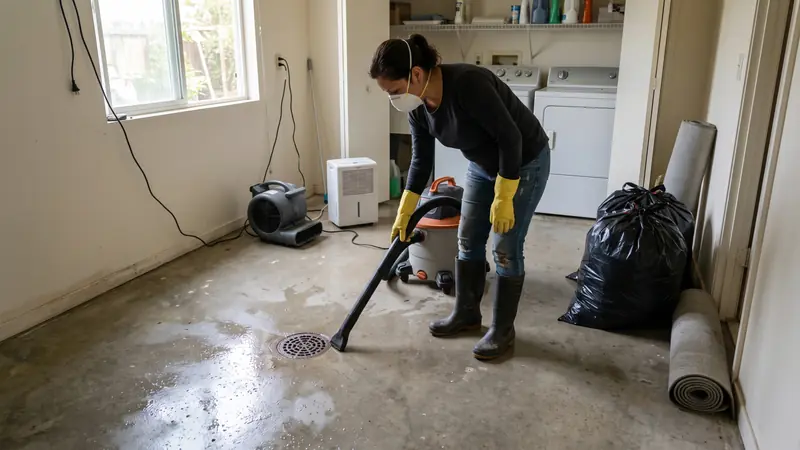
Sewer Backup Cleanup: What to Do in the First 24 Hours
Once the line is cleared, the cleanup begins. How to stay safe, what to throw away, how to dry the room and what to save for insurance.
Read more →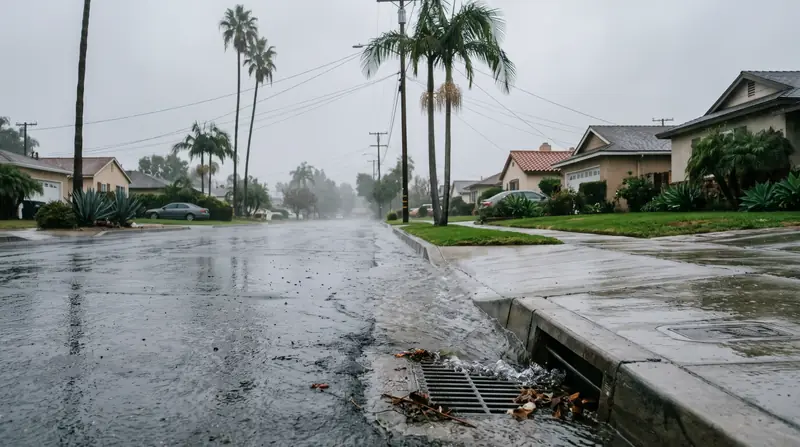
Heavy Rain and Sewer Backups in Southern California
Heavy rain can overload sewer systems and expose cracked pipes, causing backups. Learn why storms trigger problems and how to protect your home.
Read more →
Does Homeowners Insurance Cover a Sewer Backup?
Many homeowners policies exclude sewer backups unless you add an endorsement. Learn what to check in your policy and how to document a backup.
Read more →