What Affects the Cost of Sewer Pipe Lining vs Replacement
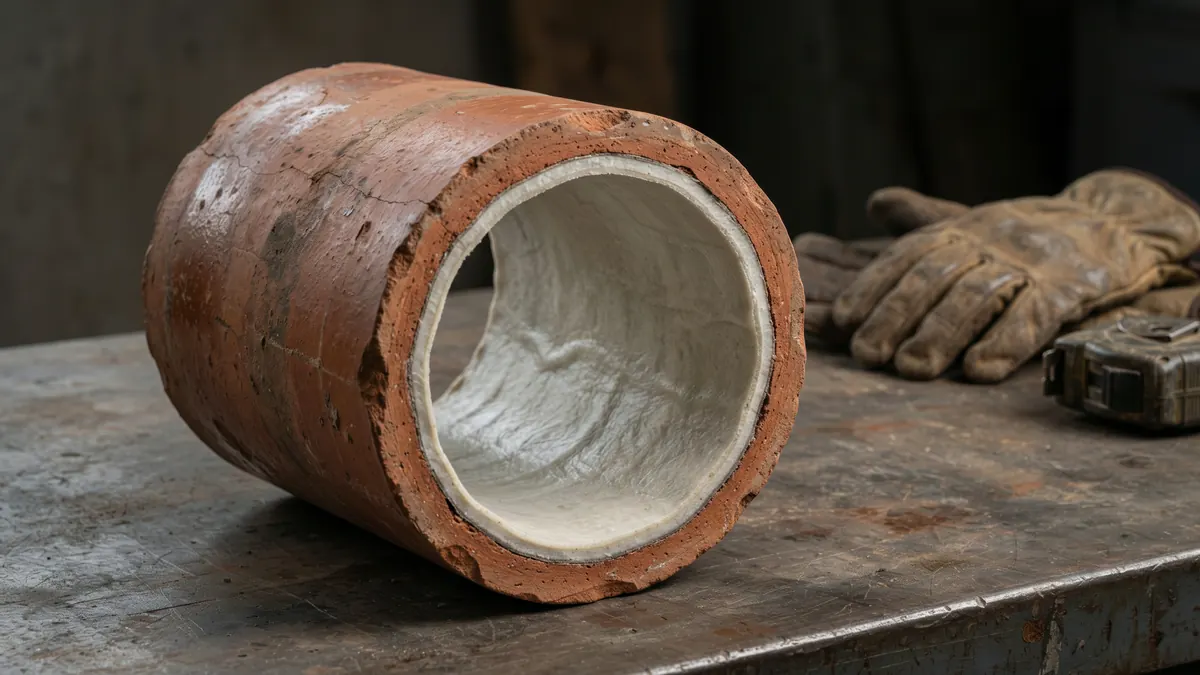
Table of contents
- How Lining and Replacement Differ in Scope
- What Shapes the Price of a Liner
- Pipe length and diameter
- Cleaning and preparation
- Liner type and resin system
- Access points and cleanout condition
- Reinstating side connections
- What Shapes the Price of Replacement, Compared
- When Lining Is Not an Option
- Why the Camera Inspection Decides the Path
- Two Example Situations
- Questions Homeowners Ask
- Does lining always involve less work than replacement?
- Does lining shrink the pipe?
- What conditions rule out lining?
- Sources and Further Reading
- Next Step
Sewer pipe lining cost depends on very different things than the cost of digging up and replacing a line, which is why the two are hard to compare at a glance. A liner renews the pipe from the inside, while replacement installs a new pipe. This guide explains what drives each approach and why the pipe’s condition, not a preference for one method, usually decides which one is on the table. No prices are listed here, because they only make sense after an inspection.
How Lining and Replacement Differ in Scope
Cured-in-place pipe (CIPP) lining installs a resin-saturated tube inside the existing pipe and cures it into a new, jointless pipe within the old one. The industry practice for the inversion method is described in ASTM F1216, and NASSCO outlines how lining fits among rehabilitation technologies. If you want the process in detail, see our pipe relining service page.
Replacement, by contrast, removes or bypasses the old pipe and installs new pipe. That can be done with a trench or with a no-dig method such as pipe bursting. The scopes are different, so the factors that drive each quote are different too.
What Shapes the Price of a Liner
Pipe length and diameter
A longer run needs more liner material and more time for installation and curing. Diameter affects the liner size and the equipment used.
Cleaning and preparation
The pipe has to be clean before a liner goes in. Roots, scale, grease and debris are removed first, often with hydro jetting or cutting tools. A heavily scaled or root-filled pipe takes more preparation than a lightly used one.
Liner type and resin system
Different liners and resins are used for different conditions, and the cure method, such as hot water, steam or light, depends on the system. Ask the provider which system is being used and why.
Access points and cleanout condition
Lining is done through existing openings, so a working cleanout at the right place makes access easier. If a new access point must be created, that is added to the scope.
Reinstating side connections
Where branch lines connect to the main, the liner has to be reopened after curing so those lines can drain. The number and layout of connections affect the work, and our guide to pipe lining problems explains why a connection that is not reopened can cause a backup.
What Shapes the Price of Replacement, Compared
Replacement is driven by length, depth, the surface above the pipe, the method, permits and restoration. Our guide to what affects the cost of sewer line replacement covers each of these. In general, lining concentrates the work inside the pipe, while replacement concentrates it on the ground above and around the pipe.
Lining mostly prices the work inside the pipe. Replacement mostly prices the work around it. The right comparison is the same pipe, the same problem and the same finished result.
A liner renews the pipe you have. It cannot change that pipe’s shape.
When Lining Is Not an Option
Lining relies on a pipe that still holds its basic shape. It is usually not suitable when:
- The pipe has collapsed or is badly crushed. A liner cannot be pulled through a closed section.
- There is a severe offset. A large step between pipe sections can block the liner or leave a trapped edge.
- There is a belly or sag. A liner follows the shape of the old pipe, so a low spot that holds waste stays a low spot. See bellied sewer lines.
- The pipe is [Orangeburg](/blog/orangeburg-pipe/) that has deformed. Soft, collapsing fiber pipe is often a replacement case.
Why the Camera Inspection Decides the Path
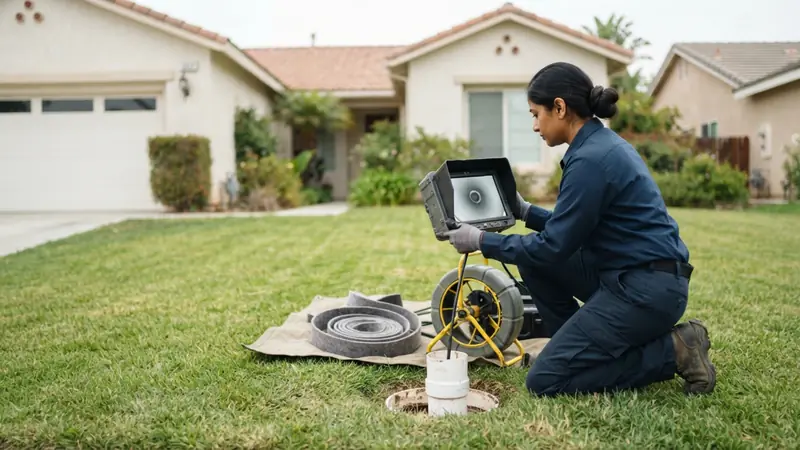
Which of these situations applies is something only a camera can show. A sewer camera inspection records the pipe’s condition, the length of the damage and any sags or offsets. With that video, a provider can say whether lining, a spot repair or replacement fits, and two providers can price the same job.
Two Example Situations
These are illustrations, not predictions, and they show why the same technique can be a fit for one home and not another.
A 1960s clay line with root entry at a few joints. The camera shows a round pipe with intact walls, roots at three joints and no sags. After cleaning, a liner can seal the joints from the inside. The work is concentrated in preparation and curing, with little digging.
A similar line with a collapsed section under the driveway. The camera cannot pass the collapse, so a liner cannot be installed through it. The options become pipe bursting, a trench or a combination, and the work shifts to the surface above the pipe.
The first job is priced mostly by what happens inside the pipe. The second is priced mostly by what happens around it. That is why a camera inspection comes before any comparison.
Questions Homeowners Ask
Does lining always involve less work than replacement?
No. Lining can reduce digging and restoration, but it is not suited to every pipe, and preparation and curing are real parts of the work. Comparing the two only makes sense once the video shows which options are possible.
Does lining shrink the pipe?
A liner adds a thin wall inside the old pipe, so the inside diameter is slightly smaller. In many cases the smoother interior and lack of joints make up for it, but ask the provider how the change affects flow for your line. The EPA’s pipe bursting fact sheet also notes that replacement methods can keep or increase pipe size.
What conditions rule out lining?
Collapse, severe offsets, deep sags and badly deformed pipe are the usual ones. A provider should be able to point to the footage that shows why.
Sources and Further Reading
- ASTM F1216: rehabilitation of pipelines by inversion and curing of a resin-impregnated tube
- NASSCO: pipe rehabilitation
- NASSCO: pipe rehabilitation matrix
- U.S. EPA: pipe bursting fact sheet
Next Step
Not sure whether your pipe is a candidate for a liner? Call now to speak to a specialist at (562) 603-5090, available 24/7, and ask about an inspection before you decide.
Have a Question About Your Sewer Line?
Call any time to be connected with a local service provider and ask about a camera inspection and its cost. Or send a message and ask about your situation.
Related Guides
Common Pipe Lining Problems and How to Avoid Them
Most liners work for decades, but a rushed job can leave wrinkles, blocked connections or a soft cure. Here is what goes wrong and how to prevent it.
Read more →
What Is a Bellied Sewer Line? Signs, Causes and Repair Options
A bellied sewer line has a sag that holds water and waste. Learn the warning signs, why bellies form and the repair options to ask a service provider about.
Read more →
Trenchless vs Traditional Sewer Repair: Which Is Right for Your Home?
Digging a trench or working through small pits? Compare cost, time, yard damage and when each method makes sense.
Read more →