Sewer Backup in a Rental: Landlord vs Tenant Responsibility

Table of contents
- The Basic Rule
- It Depends on the Cause
- A problem in the pipe or the main line
- A problem caused by the tenant
- A problem in the public main
- What a Tenant Should Do
- What a Landlord Should Do
- What the Lease Says
- What to Include in a Written Notice
- After the Repair
- Questions Homeowners Ask
- Can a tenant withhold rent for a sewer problem?
- Who pays for cleanup?
- What if the landlord does not respond?
- Sources and Further Reading
- Next Step
A sewer backup in a rental raises an immediate question: who has to fix it and who pays? In California the answer depends on the cause, the lease and the habitability rules, and both tenants and landlords have duties. This guide gives a general overview of how responsibility usually works, what each side should do and where to find official guidance. It is not legal advice, so for a dispute, speak to a qualified professional.
The Basic Rule
California law requires a rental home to be habitable. Civil Code section 1941.1 includes plumbing in good working order and connected to a sewage disposal system, among other requirements. The California Department of Real Estate’s guidance on dealing with landlords and tenants and the Attorney General’s habitability guide explain the general framework. In practice, a landlord is usually responsible for keeping the plumbing and sewer system working, while a tenant must avoid damaging it.
It Depends on the Cause
The cause of the backup matters.
A problem in the pipe or the main line
A blockage from roots, a sag, a damaged line or an aging pipe is generally a maintenance and habitability matter for the landlord.
A problem caused by the tenant
If a tenant’s actions caused the problem, such as flushing items that should not go down the toilet, responsibility can shift. The guidance notes that tenants are responsible for damage they cause through neglect or misuse.
A problem in the public main
If the blockage is in the public sewer, the public agency handles the main. See when the city sewer main backs up into your home.
The cause decides responsibility. Document what happened, and avoid assuming fault before the line has been inspected.
The cause decides responsibility, so document what happened.
What a Tenant Should Do
- Tell the landlord promptly, in writing, and keep a copy.
- Stop using water and avoid contact with contaminated water. See sewage backup health risks.
- Document the problem with photos and notes.
- Keep receipts for any emergency costs.
- Check your own insurance. Renters insurance may cover some belongings. See whether insurance covers a sewer backup.
What a Landlord Should Do
- Respond promptly. Sewer problems affect health and habitability.
- Have the line inspected. A camera inspection shows the cause.
- Arrange the repair or cleaning through a licensed provider, and see sewer line repair options.
- Arrange cleanup and keep records. See sewage backup cleanup.
- Communicate with the tenant about timing and any need to leave the unit.
What the Lease Says
A lease can allocate some responsibilities, but it cannot waive the landlord’s duty to provide a habitable home. Read the lease for maintenance and notice terms, and check local rules, since some cities have additional requirements.
What to Include in a Written Notice
A clear written notice is easier to act on and easier to rely on later. Include:
- The date and time you noticed the problem.
- Which fixtures are affected and what you saw.
- Photos or video.
- What you have done, such as stopping water use.
- A request for inspection and repair.
- How to reach you.
After the Repair
Confirm that the line has been checked and that the cause is identified. Ask whether cleanup was done and whether any affected belongings or finishes are being addressed. Keep copies of everything, and see sewage backup cleanup for what proper cleanup involves.
Questions Homeowners Ask
Can a tenant withhold rent for a sewer problem?
California has specific rules about repairs and remedies, and they carry risks if misused. Check the official guidance and speak to a tenant rights organization or an attorney before acting.
Who pays for cleanup?
It depends on the cause and on any insurance. Ask your insurer and keep records.
What if the landlord does not respond?
Keep written records and consult the guidance above, a local housing agency or an attorney.
Sources and Further Reading
- California DRE: dealing with landlords and tenants
- California Attorney General: know your rights, habitability
Next Step
If a rental has a sewer problem and you need a clear picture of the cause, call now to speak to a specialist at (562) 603-5090, available 24/7. Cerritos Sewer Co. does not provide legal advice.
Have a Question About Your Sewer Line?
Call any time to be connected with a local service provider and ask about a camera inspection and its cost. Or send a message and ask about your situation.
Related Guides
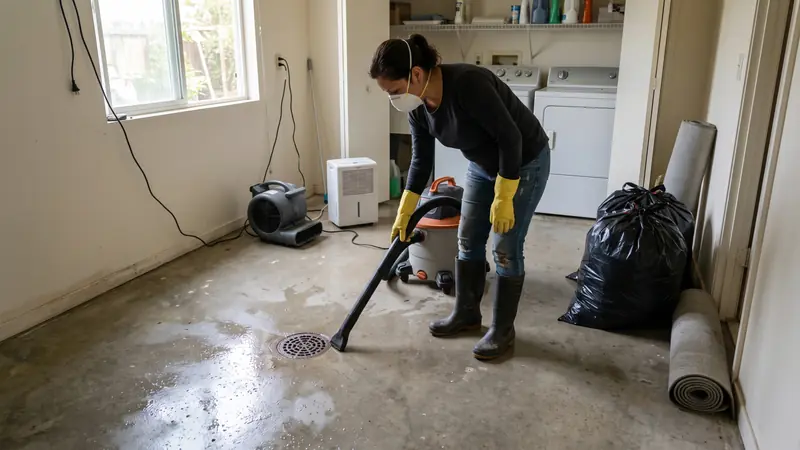
Sewer Backup Cleanup: What to Do in the First 24 Hours
Once the line is cleared, the cleanup begins. How to stay safe, what to throw away, how to dry the room and what to save for insurance.
Read more →
Sewer Lateral Responsibility: What You Own and What the City Owns
Who pays when a sewer line fails? Learn how the private lateral differs from the public main, what renters should do and why local rules matter.
Read more →
Does Homeowners Insurance Cover a Sewer Backup?
Many homeowners policies exclude sewer backups unless you add an endorsement. Learn what to check in your policy and how to document a backup.
Read more →