Building Over a Sewer Line: Easements, Pools and Additions
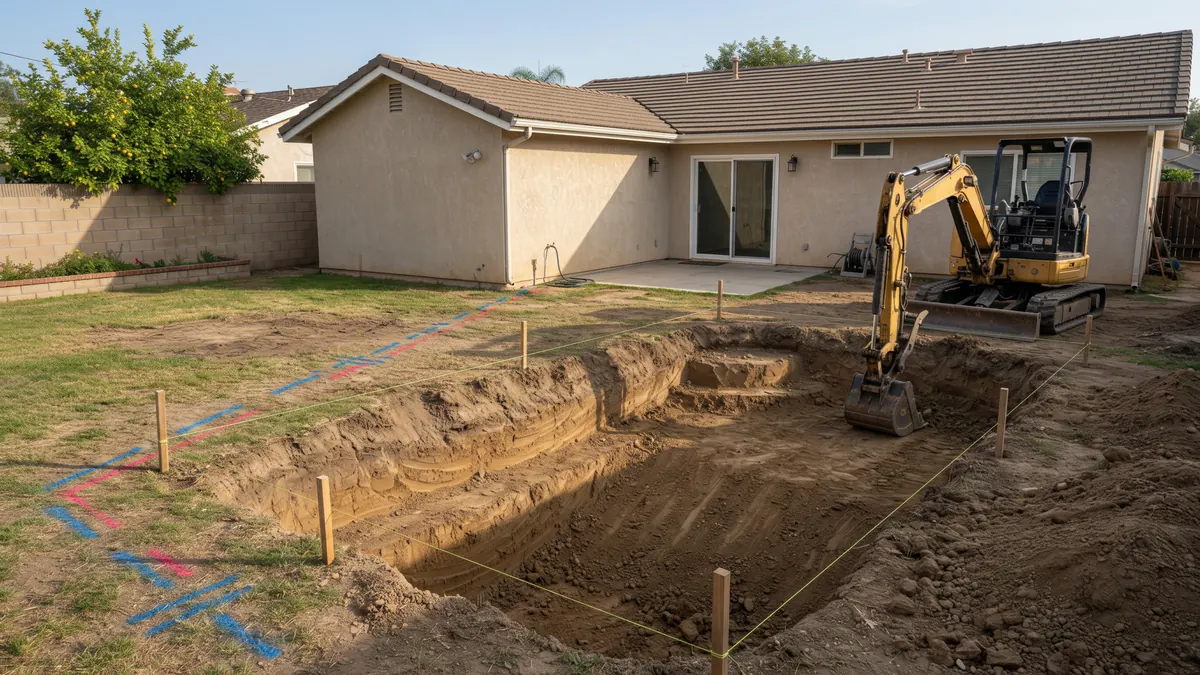
Table of contents
- Why It Matters
- Easements
- Before You Design or Build
- Common Project Types
- Pools
- Room additions and garages
- Patios, decks and hardscape
- Accessory dwelling units
- Options if the Line Is in the Way
- Questions for Your Designer and Contractor
- Documentation to Keep
- Questions Homeowners Ask
- Can I build over my own private lateral?
- Who is responsible if my pool damages the line?
- Is a camera inspection necessary before a build?
- Sources and Further Reading
- Next Step
Building over a sewer line is a project risk that is easy to overlook until a contractor starts digging. Pools, additions, patios and accessory units are often planned without anyone checking where the sewer line runs, and a pipe that is buried, covered or enclosed becomes hard and expensive to reach later. This guide explains what to check before you build, how easements and permits come into it and what to ask your designer or contractor. It is general information, not legal or engineering advice.
Why It Matters
A sewer line needs access for cleaning, inspection and repair. If a structure covers it, any future problem means cutting through or removing that structure. The line also needs support and protection, and heavy loads or digging can damage it. For these reasons, building over or near a sewer line is regulated in many places.
Easements
Public sewer mains and some other lines may sit within an easement, which is a recorded right for the utility to access the land. Building within an easement can be restricted or prohibited, and an agency may require approval. Easements are shown on property records, so ask your title company, your city or the sanitation agency. A private lateral may not have a recorded easement, but the same practical concerns apply.
Before You Design or Build
- Locate the line. Use a camera with a transmitter and a locator to map the path and depth. See how contractors locate an underground sewer line.
- Find the cleanout. Do not cover it. See where the cleanout is.
- Check the pipe’s condition. An old or damaged line under a new structure is a risk. A camera inspection shows its state.
- Review easements and setbacks with the city or the agency.
- Call 811 before digging. See DigAlert.
- Ask for permit requirements. See sewer repair permits.
Locate and inspect the line before the design is final. Moving a pipe at the planning stage is far easier than after the structure is built.
Moving a pipe at the planning stage is far easier than after the build.
Common Project Types
Pools
A pool excavation is deep and wide, and a nearby line can be in the way or at risk. Plan the layout around the line or relocate it before digging.
Room additions and garages
A new footing or slab over the line makes later access difficult. Consider relocating or replacing the line first.
Patios, decks and hardscape
These are easier to remove than a building, but covering a cleanout or the pipe still causes problems.
Accessory dwelling units
New units may need a new connection or a larger line. See ADU sewer line connection in California.
Options if the Line Is in the Way
- Redesign the project to avoid the line.
- Relocate the line, with permits, around the planned structure.
- Replace or line the pipe before building so the section under the structure is in good condition. See sewer line repair options.
- Add or move a cleanout so access remains. Ask your provider.
Questions for Your Designer and Contractor
- Where does the sewer line run, and how was that confirmed?
- What is the pipe’s condition under the planned structure?
- Is there an easement or setback that affects the plan?
- How will access be preserved for future cleaning and repair?
- Does the project need a permit that involves the sewer line?
- Who is responsible if the line is damaged during construction?
Documentation to Keep
Save the pre-construction camera footage, the locate marks or a record of them, the permits and any correspondence with the city or agency. If a problem arises later, these records show the condition before the work and what was agreed.
Questions Homeowners Ask
Can I build over my own private lateral?
It may be possible in some cases, but it is often discouraged and may be regulated. Ask your city before you plan.
Who is responsible if my pool damages the line?
Responsibility depends on the facts, so avoid the problem by locating the line first.
Is a camera inspection necessary before a build?
It is a sensible step. It documents the line’s condition and helps decide whether to repair or relocate it.
Sources and Further Reading
Next Step
Planning a pool, addition or unit? Locate and inspect the line first. Call now to speak to a specialist at (562) 603-5090, available 24/7.
Have a Question About Your Sewer Line?
Call any time to be connected with a local service provider and ask about a camera inspection and its cost. Or send a message and ask about your situation.
Related Guides
Sewer Lateral Responsibility: What You Own and What the City Owns
Who pays when a sewer line fails? Learn how the private lateral differs from the public main, what renters should do and why local rules matter.
Read more →
Adding an ADU: What to Know About Your Sewer Line Connection
Planning an accessory dwelling unit in California? Learn how your sewer lateral, permits and a camera inspection fit into the plan before you build.
Read more →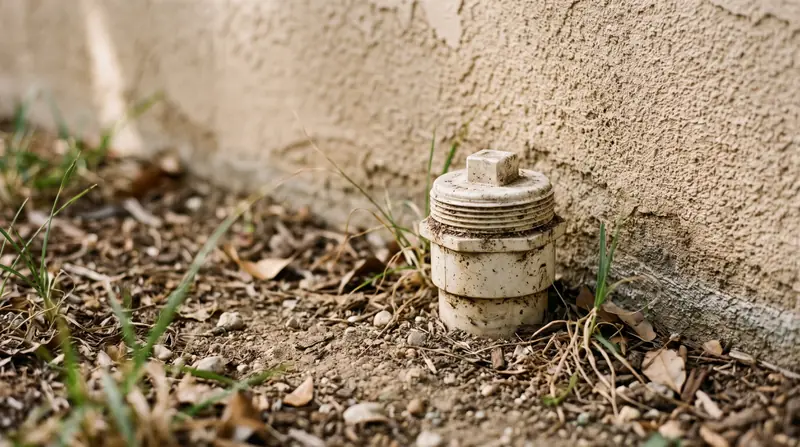
Where Is My Sewer Cleanout? How to Find It and Why It Matters
Learn where a sewer cleanout is usually located, how to recognize it and why finding it before a backup helps a service provider reach your line faster.
Read more →