Do Root Killers Work? Copper Sulfate, Foaming Products and Rock Salt

Table of contents
- What Root Killers Are
- What They Can Do
- Limits and Cautions
- What About Rock Salt?
- What Tends to Work Better
- Questions to Ask Before Using a Product
- Combining Treatment With a Repair Plan
- Questions Homeowners Ask
- Can I pour a root killer down the toilet myself?
- How long does a root treatment last?
- Will a treatment harm the tree?
- Sources and Further Reading
- Next Step
Whether root killers work in sewer lines is a fair question, because the products are sold as a simple solution to a stubborn problem. In practice they can slow root growth inside the pipe for a time, but they do not close the opening the roots entered through, and they come with limits and cautions. This guide explains what these products are, what they can and cannot do and what tends to work better.
What Root Killers Are
Most root-control products for sewer lines fall into two groups. Some contain copper sulfate, a crystalline compound that can damage roots it contacts. Others are foaming products intended to spread along the pipe wall and treat roots there. Because these are pesticide-type products, the label directions are the rules for use, so read them carefully and follow them.
What They Can Do
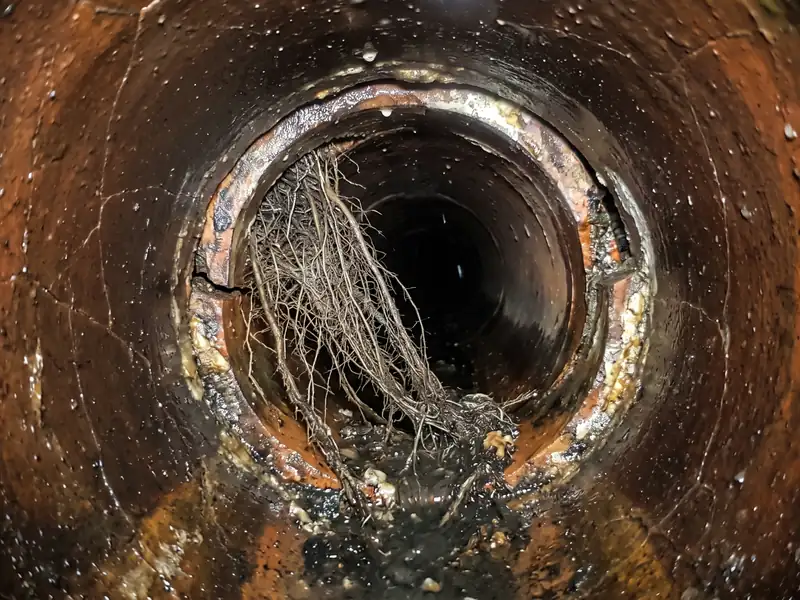
A treatment can kill the fine roots inside the pipe and reduce the mass that blocks flow. That can delay the next clog. They do not repair the crack or loose joint that let the roots in, so the roots can return. The University of Washington’s guide to tree roots and sewer lines notes that mechanically removing roots and using copper sulfate are not permanent solutions.
Limits and Cautions
- They do not fix the entry point. Without sealing or repairing the opening, the problem recurs.
- They can affect metal parts. The same guide notes that copper sulfate can corrode metal drain parts. Follow the label on where and how a product may be used.
- They are not suited to every pipe. In a cracked or deteriorating pipe, treatment may not reach roots that are outside the pipe.
- Local rules may apply. Some sewer agencies limit certain chemicals. Check with your city or sanitation district.
- Safety. Wear the protection the label calls for, keep children and pets away and never mix products.
What About Rock Salt?
Rock salt is sometimes suggested as a home remedy. We did not find authoritative guidance recommending it for sewer roots, and salt can harm pipes and nearby soil, so it is not a method to rely on. Ask a professional before trying a home remedy.
A root treatment may buy time, but the lasting fix is sealing or repairing the place where the roots get in.
A root treatment may buy time. Sealing the opening is the lasting fix.
What Tends to Work Better
- Cut and clean. A cutting tool or hydro jetting removes roots from the pipe.
- Find the opening. A camera inspection shows where the roots enter.
- Seal or repair. A liner or a repair addresses the entry point. See sewer line repair options.
- Manage the trees. Our guide on trees to avoid planting near a sewer line covers the landscape side.
- Schedule maintenance if roots are a known issue. See how often to jet a sewer line.
Questions to Ask Before Using a Product
- What does the label say about where and how the product may be used?
- What is my pipe made of? Some metal parts may react to certain products.
- Are there local rules about chemicals in the sewer? Check with the city or sanitation district.
- Is the pipe cracked? Treatment inside the pipe may not reach roots outside it.
- Would a camera check show whether treatment is worthwhile?
Combining Treatment With a Repair Plan
If you choose to treat roots, treat the product as a short-term measure while you plan the lasting fix. Schedule a camera inspection to find where the roots enter, then ask about sealing or repairing that spot. See sewer line repair options.
Questions Homeowners Ask
Can I pour a root killer down the toilet myself?
Some products are labeled for that, but only use them exactly as directed and consider whether the pipe is sound. A camera check shows whether treatment is worthwhile.
How long does a root treatment last?
It varies with the product, the roots and the pipe. If roots keep returning, the entry point is the issue.
Will a treatment harm the tree?
Products meant for in-pipe use are not intended to treat the tree, but follow the label and ask a professional if the tree is important to you.
Sources and Further Reading
Next Step
If roots keep coming back, call now to speak to a specialist at (562) 603-5090, available 24/7, and ask about a camera inspection to find where they enter.
Have a Question About Your Sewer Line?
Call any time to be connected with a local service provider and ask about a camera inspection and its cost. Or send a message and ask about your situation.
Related Guides
Tree Roots in Sewer Lines: Warning Signs, Causes and Fixes
Tree roots are a common cause of repeat sewer clogs. Learn the warning signs, how roots get in and the repair options to ask a service provider about.
Read more →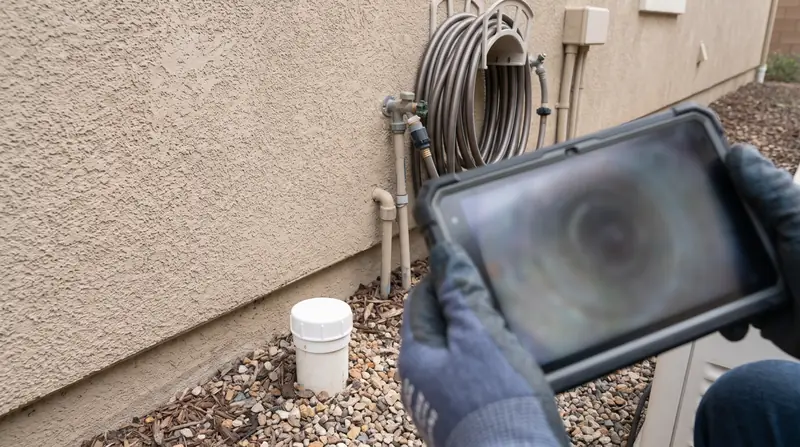
How Often Should a Main Sewer Line Be Jetted or Cleaned?
There is no one-size schedule for cleaning a main sewer line. Learn what affects how often it needs attention and when a camera check makes sense.
Read more →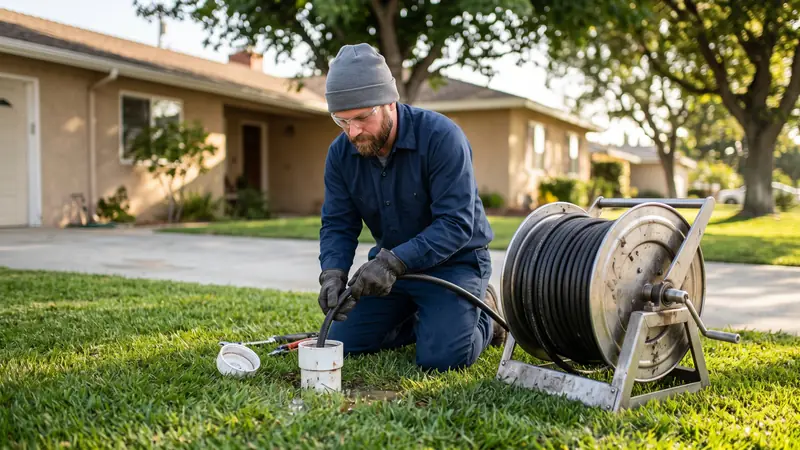
Sewer Line Maintenance Checklist for Older Homes
Simple monthly, yearly and every-few-years steps that keep an older sewer line flowing and catch problems before they become backups.
Read more →