Hydro Jetting vs Snaking: Which Suits Your Clog
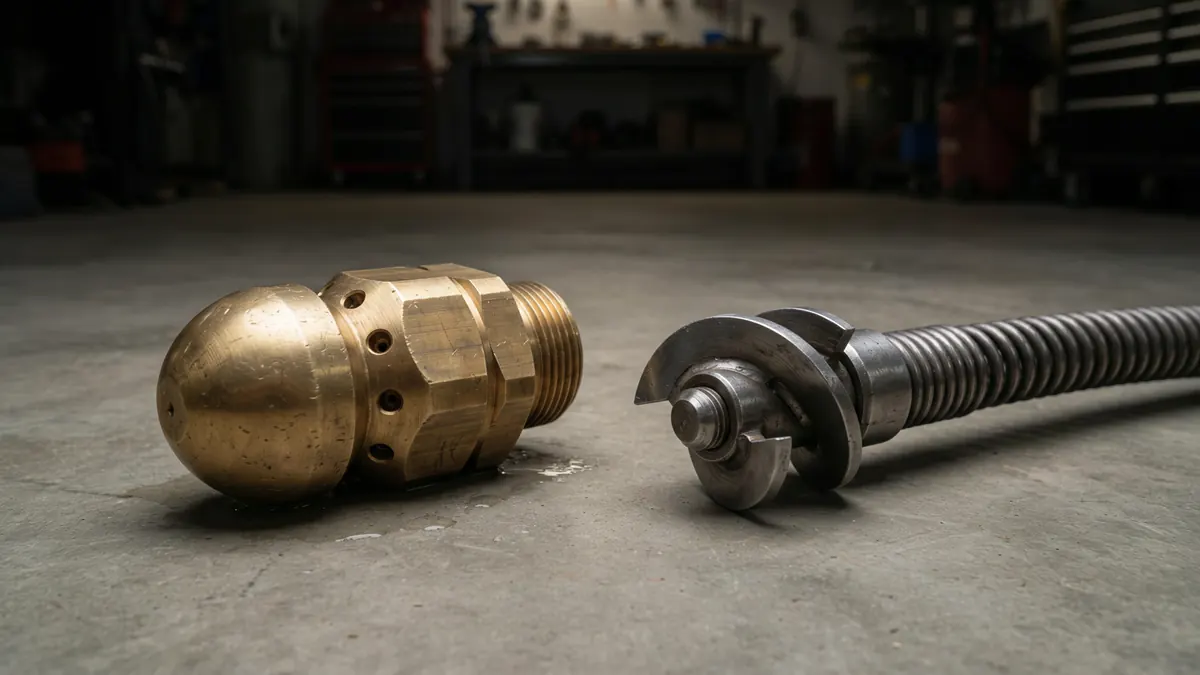
Table of contents
- How Snaking Works
- How Hydro Jetting Works
- Side by Side
- When Each Makes Sense
- Questions to Ask Your Provider
- A Typical Job Using Both Methods
- Signs You Need More Than a Cleaning
- Questions Homeowners Ask
- Is jetting always better than snaking?
- Will either method fix a repeat clog?
- How often should a line be cleaned?
- Sources and Further Reading
- Next Step
Hydro jetting vs snaking is a common question when a main sewer line is blocked, and the answer depends on what is blocking it and what condition the pipe is in. Snaking uses a rotating cable with a cutting head, while hydro jetting uses high-pressure water. Both clear blockages, but they work differently. This guide compares them and explains when each fits.
How Snaking Works
A drain cable, often called a snake or auger, is a flexible steel cable with a cutting or boring head on the end. A machine rotates it as it is fed into the line. The head can break through a blockage and cut roots. It is quick for opening a line, but it often cuts a channel through the blockage and may leave buildup on the pipe walls.
How Hydro Jetting Works
A hydro jetter pushes a hose with a special nozzle into the line and sprays water at high pressure, which scours the walls. The Wisconsin Department of Natural Resources describes this method as one that removes heavier debris and grease and can cut roots in small-diameter pipes. Read more on our hydro jetting page.
Side by Side
| Factor | Snaking (cable) | Hydro jetting |
|---|---|---|
| How it clears | Rotating cutting head breaks through the blockage | High-pressure water scours the pipe walls |
| Grease and scale | Often leaves buildup on the walls | Better at removing buildup from the walls |
| Roots | Cuts roots in the pipe | Cuts and flushes roots |
| Fragile or damaged pipe | Can catch or damage | Needs caution, check condition first |
| Typical use | Opening a blocked line | Cleaning a line more thoroughly |
When Each Makes Sense
- A fresh blockage in a pipe that is otherwise sound. A cable may open the line quickly.
- Grease, scale or heavy buildup. Jetting tends to clear more of the pipe wall. See grease and sewer clogs.
- Roots. Either method can cut them, but the opening they use remains. See tree roots in sewer lines.
- Old or damaged pipe. Both need care, and a camera inspection beforehand helps. See whether hydro jetting is safe for old pipes.
NASSCO’s Tech Tips on the science of jetting sewers lists the factors that go into choosing a jetting approach, including pipe diameter, length, structural condition, material and the type of debris.
The method should match the blockage and the pipe. Ask the provider why they chose one over the other for your line.
The method should match the blockage and the pipe.
Questions to Ask Your Provider
- What is blocking the line? Ideally shown on camera.
- Why this method for this pipe?
- Will a camera check be done before and after? See sewer camera inspection.
- How likely is the clog to return, and what would prevent it?
- Is there a pipe condition that makes this method unsuitable?
A Typical Job Using Both Methods
Many jobs combine tools. A cable may open a fully blocked line so a camera can pass. A camera then shows what is in the pipe. Jetting may follow to clean the walls, and a final camera run confirms the result. Using more than one tool does not mean the first one failed. It reflects that opening a line and cleaning it are different tasks.
Signs You Need More Than a Cleaning
- The clog returns soon. See why a sewer line keeps clogging.
- The camera shows cracks, offsets or sags.
- Roots return to the same spot.
- Several fixtures slow together even after cleaning.
In those cases, cleaning is only part of the answer.
Questions Homeowners Ask
Is jetting always better than snaking?
No. Each has uses, and some jobs use both. The pipe’s condition and the type of blockage decide.
Will either method fix a repeat clog?
Not if the cause is damage to the pipe. See why a sewer line keeps clogging.
How often should a line be cleaned?
It depends on the line. See how often to jet a sewer line and our maintenance checklist.
Sources and Further Reading
- Wisconsin DNR: collection system maintenance, sewer cleaning
- NASSCO Tech Tips: understanding the science of jetting sewers
Next Step
If a line is blocked and you want to understand your options, call now to speak to a specialist at (562) 603-5090, available 24/7.
Have a Question About Your Sewer Line?
Call any time to be connected with a local service provider and ask about a camera inspection and its cost. Or send a message and ask about your situation.
Related Guides
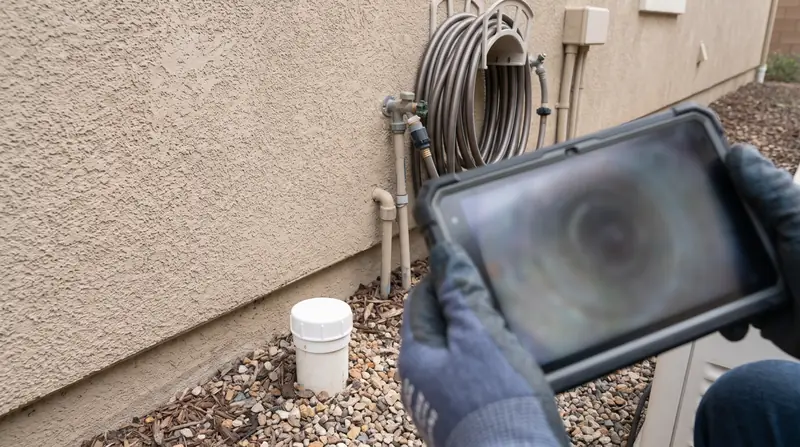
How Often Should a Main Sewer Line Be Jetted or Cleaned?
There is no one-size schedule for cleaning a main sewer line. Learn what affects how often it needs attention and when a camera check makes sense.
Read more →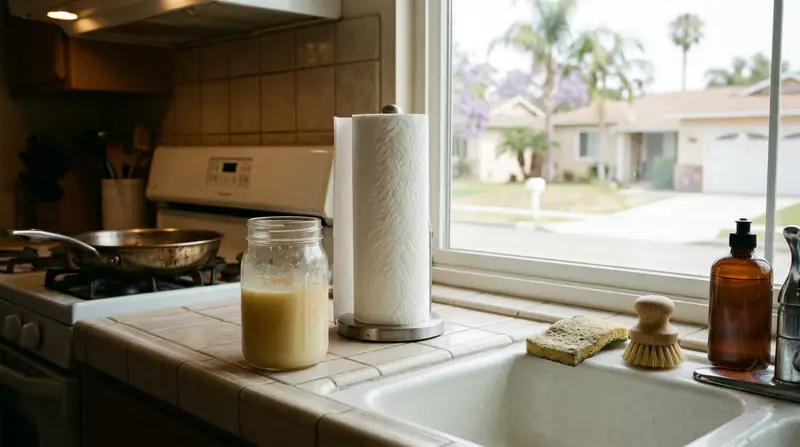
Cooking Grease and Sewer Clogs: How to Prevent Them
Cooking grease cools and hardens inside sewer pipes, causing clogs and backups. Learn how to dispose of grease properly and protect your sewer line.
Read more →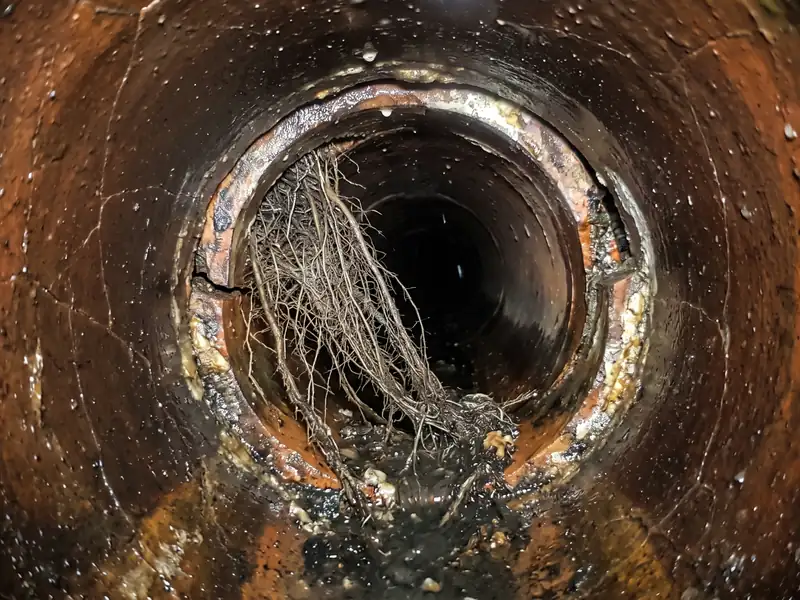
Tree Roots in Sewer Lines: Warning Signs, Causes and Fixes
Tree roots are a common cause of repeat sewer clogs. Learn the warning signs, how roots get in and the repair options to ask a service provider about.
Read more →