Is Hydro Jetting Safe for Old or Damaged Pipes?
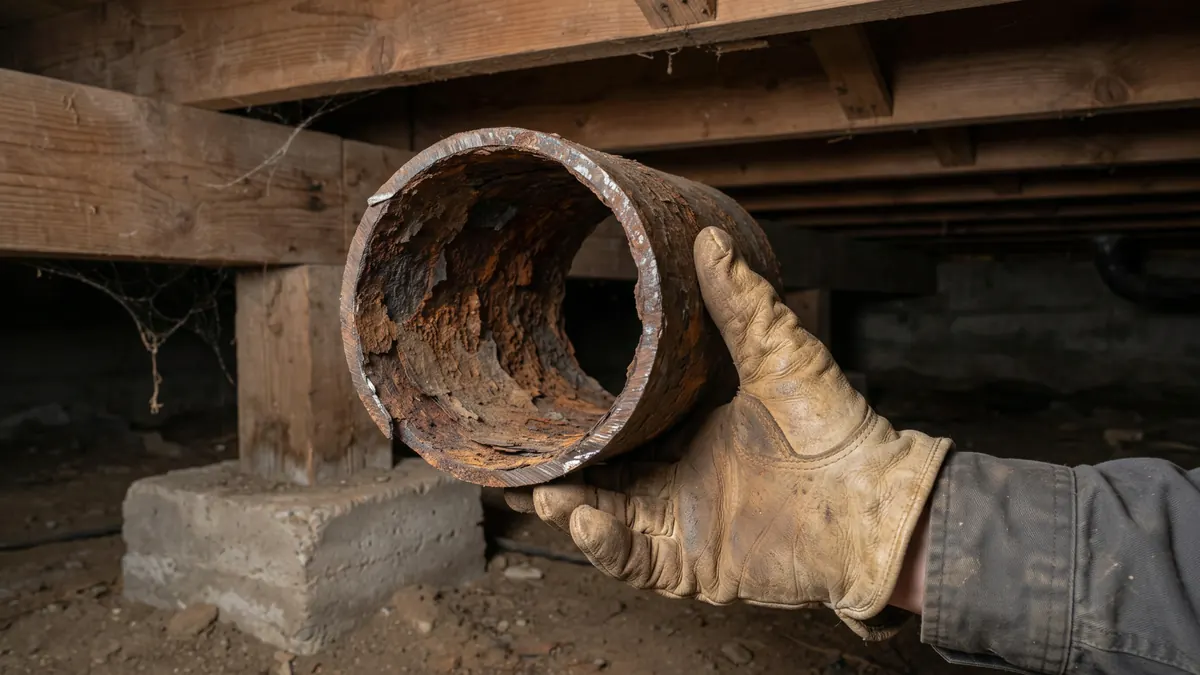
Table of contents
- Age vs Condition
- Where the Risk Comes From
- What a Provider Should Do First
- If the Pipe Is Fragile
- Questions to Ask Before Jetting an Older Line
- Reading the Camera Before You Clean
- Alternatives for Maintenance on a Fragile Line
- Questions Homeowners Ask
- Will jetting damage my pipe?
- Is snaking safer for old pipes?
- Should I stop cleaning an old line?
- Sources and Further Reading
- Next Step
Whether hydro jetting is safe for old pipes depends on the pipe’s condition, not just its age. Jetting can clean sound pipe well, but high-pressure water is a poor match for a pipe that is cracked, thin or deteriorating. This guide explains why condition matters, which pipes call for extra caution and what a provider should do before jetting an older line.
Age vs Condition
An old pipe is not automatically unsafe to jet, and a newer pipe is not automatically safe. What matters is the structural condition of the pipe at the time. A clay line with sound walls may handle jetting well, while a corroded cast iron line or a fiber pipe that has deformed may not. NASSCO’s Tech Tips on the science of jetting sewers lists structural condition among the factors that determine how a jetting job is done.
Where the Risk Comes From
High-pressure water works by scouring the inside of the pipe. In a sound pipe that removes grease, scale and debris. In a weakened pipe it can enlarge cracks, wash out material around a defect or even contribute to collapse. Jetting can also push debris into a damaged section. For this reason, caution is appropriate with:
- Cast iron with heavy corrosion. See cast iron sewer pipe problems.
- Fiber pipe such as [Orangeburg](/blog/orangeburg-pipe/), which can soften and deform.
- Pipes with known cracks, offsets or missing sections. See cracked sewer pipe and offset joints.
- Lines with a history of collapse.
The question is not how old the pipe is. It is whether the pipe is sound enough to take the cleaning method being proposed.
The question is not how old the pipe is but how sound it is.
What a Provider Should Do First
A careful provider will want to see the pipe before jetting it. That usually means a camera inspection to check for cracks, deformation and material, and then a choice of method, nozzle and pressure suited to the line. After cleaning, a second camera run confirms the result. This sequence helps avoid causing damage and shows whether the cleaning revealed a defect that needs repair.
If the Pipe Is Fragile
Options for a fragile line include:
- Gentler cleaning, such as a cable with a suitable head or lower-pressure settings, if the provider judges it appropriate.
- Repair before cleaning, for example lining or replacing a damaged section. See sewer line repair options.
- Replacement, if the pipe is failing along its length.
Questions to Ask Before Jetting an Older Line
- Have you seen the pipe on camera?
- What does the footage show about its condition?
- What pressure and nozzle will you use, and why?
- What will you do if you find damage?
- Will you give me the before and after footage?
Reading the Camera Before You Clean
When a provider reviews footage ahead of cleaning, they typically look for:
- Cracks and fractures along the pipe.
- Flattening or distortion of the pipe’s shape.
- Heavy scale or corrosion that has thinned the wall.
- Missing pieces or open joints.
- Offsets and sags that could trap debris or change how a nozzle moves.
The findings guide the method, the nozzle and the pressure.
Alternatives for Maintenance on a Fragile Line
If the pipe is not suited to high-pressure cleaning, options include gentler cleaning at lower settings, more frequent but lighter maintenance and planning a repair or replacement. Our guide to sewer line repair options shows the choices.
Questions Homeowners Ask
Will jetting damage my pipe?
In a sound pipe it generally does not. In a damaged pipe it can make things worse, which is why the condition check comes first.
Is snaking safer for old pipes?
Not automatically. A cable can also catch and damage a fragile pipe. See hydro jetting vs snaking.
Should I stop cleaning an old line?
Not necessarily. Many older lines are cleaned safely. The key is knowing the condition first, and how often is covered in how often to jet a sewer line.
Sources and Further Reading
- NASSCO Tech Tips: understanding the science of jetting sewers
- Wisconsin DNR: collection system maintenance, sewer cleaning
Next Step
If your line is old and you are considering cleaning it, call now to speak to a specialist at (562) 603-5090, available 24/7, and ask about a camera check first.
Have a Question About Your Sewer Line?
Call any time to be connected with a local service provider and ask about a camera inspection and its cost. Or send a message and ask about your situation.
Related Guides
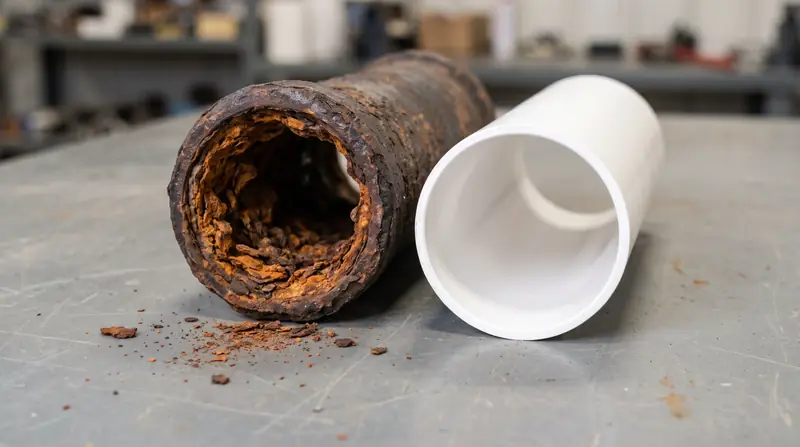
Cast Iron Sewer Pipe Problems in Older Homes
Cast iron sewer pipes can corrode, crack and clog with age. Learn the warning signs, why older homes are affected and what repair options exist.
Read more →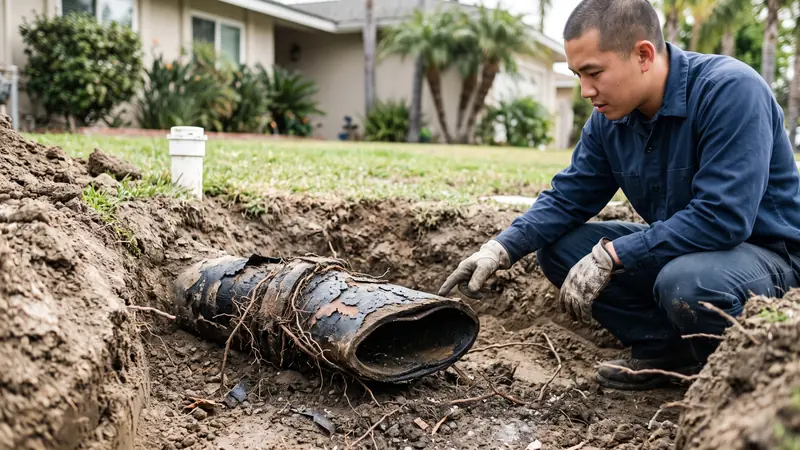
Orangeburg Pipe: How to Tell If Your Home Has It
Orangeburg pipe was used in many post-war homes, and it is now flattening and failing. Here is how to spot it and what to do next.
Read more →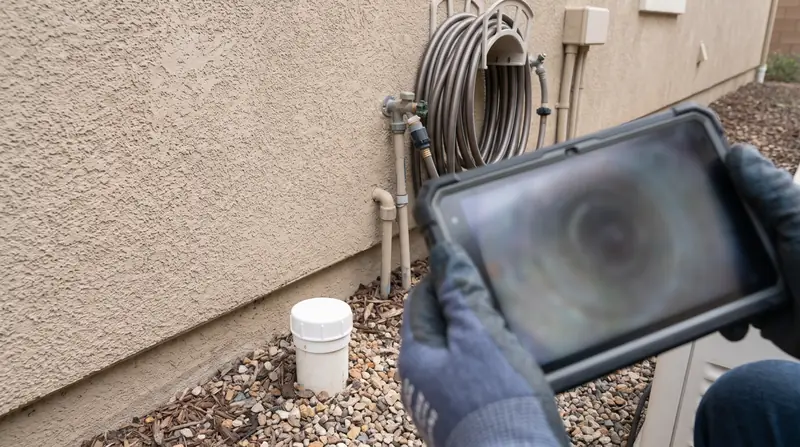
How Often Should a Main Sewer Line Be Jetted or Cleaned?
There is no one-size schedule for cleaning a main sewer line. Learn what affects how often it needs attention and when a camera check makes sense.
Read more →