Cracked Sewer Pipe: Crack Types and How Each Is Repaired
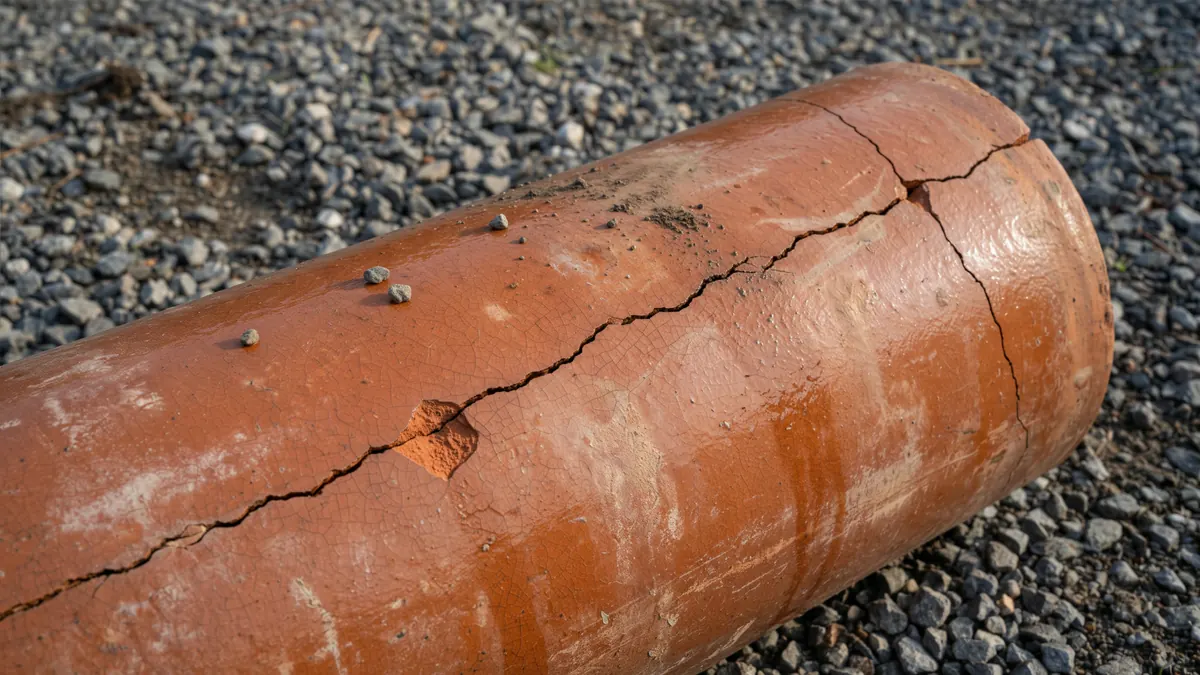
Table of contents
- How Cracks Are Described
- Longitudinal cracks
- Circumferential cracks
- Multiple cracks
- Fractures and breaks
- Why Pipes Crack
- How Cracks Are Found
- Repair Options by Type
- When a Crack Needs Attention Soon
- What to Do After a Report Mentions Cracks
- Cracks and Roots Together
- Questions Homeowners Ask
- Is a hairline crack a problem?
- Can a crack be sealed without digging?
- Will a crack get worse?
- Sources and Further Reading
- Next Step
A cracked sewer pipe is not a single problem, because the type, location and number of cracks decide what repair makes sense. A hairline crack in an otherwise sound pipe is very different from a pipe with multiple fractures along its length. This guide explains the common crack types, what causes them and how each is typically repaired, so you can follow the findings on a camera report.
How Cracks Are Described
Inspection standards classify cracks by direction and extent. NASSCO’s Pipeline Assessment Certification Program gives inspectors a shared way to code defects and record severity, which is why a camera report may use terms such as longitudinal or circumferential.
Longitudinal cracks
These run along the length of the pipe. They can come from heavy loads above the pipe or uneven support below it, and they can open over time.
Circumferential cracks
These run around the pipe. They often come from the pipe sections shifting or bending, for example because soil settled under one section.
Multiple cracks
A pipe with cracks in several places usually points to a broader cause, such as age, material or ground movement.
Fractures and breaks
A fracture is a more serious break, where the wall may be separated or a piece missing. This can let soil enter the pipe.
Why Pipes Crack
- Ground movement and settlement.
- Heavy loads from vehicles or structures above.
- Tree roots that grow against the pipe.
- Age and material. Rigid materials such as clay and cast iron are more prone to cracking. See our guides on clay pipe problems and cast iron pipe problems.
- Past excavation or poor installation.
How Cracks Are Found
Cracks show on a sewer camera inspection, and the report records where in the line each one sits. Our guide to reading the report explains how to interpret distances and descriptions.
One crack in a sound pipe is a spot-repair question. Many cracks along the line point to a longer repair or replacement.
One crack in a sound pipe is a spot repair. Many cracks are a bigger question.
Repair Options by Type
- A single crack or short section. A spot repair or a liner patch. See spot repair vs full replacement.
- Several cracks along a round, aligned pipe. A full-length liner can seal them. See pipe lining and how lining is installed.
- Fractures or missing sections. Often replacement. See sewer line repair options.
When a Crack Needs Attention Soon
A crack that lets roots or soil in, causes repeat clogs or leaks wastewater into the ground is worth repairing sooner. Signs include wet ground, odors and sunken soil. See signs of a broken sewer line in your yard.
What to Do After a Report Mentions Cracks
- Ask where each crack is and what type it is.
- Ask whether roots or soil are entering, since that raises priority.
- Ask about the rest of the pipe, not only the cracked section.
- Ask which repair options fit and why. See sewer line repair options.
- Keep the footage for comparison and for any later claim or sale.
Cracks and Roots Together
Roots often exploit cracks and then widen them. Cutting the roots without sealing the crack gives short-term relief at most. See tree roots in sewer lines and do root killers work.
Questions Homeowners Ask
Is a hairline crack a problem?
It may not be urgent, but it can let roots in or grow over time. The footage and the pipe’s condition decide.
Can a crack be sealed without digging?
Often, yes, if access and pipe condition suit a liner or patch.
Will a crack get worse?
It can, especially if the ground keeps moving. A follow-up camera check shows whether it has changed.
Sources and Further Reading
Next Step
If a report mentions cracks, call now to speak to a specialist at (562) 603-5090, available 24/7, and ask what the footage means for your pipe.
Have a Question About Your Sewer Line?
Call any time to be connected with a local service provider and ask about a camera inspection and its cost. Or send a message and ask about your situation.
Related Guides
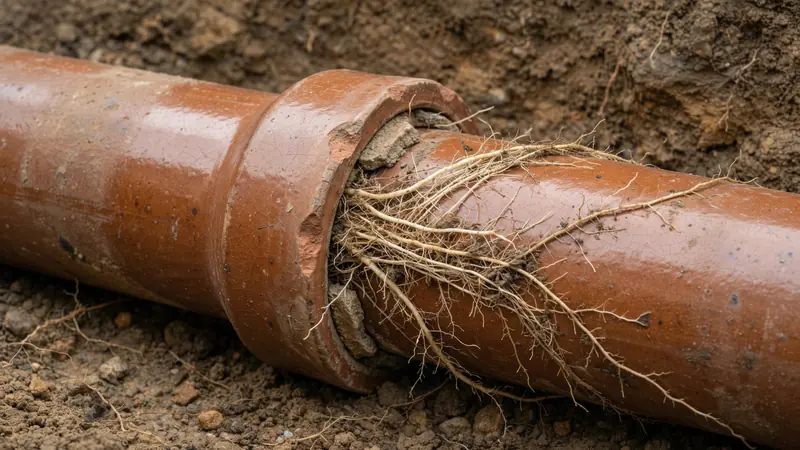
Clay Sewer Pipe Problems: Why Vitrified Clay Fails at the Joints
Vitrified clay pipe is durable, yet the joints and ground movement often cause trouble. Learn the common problems and the repair options.
Read more →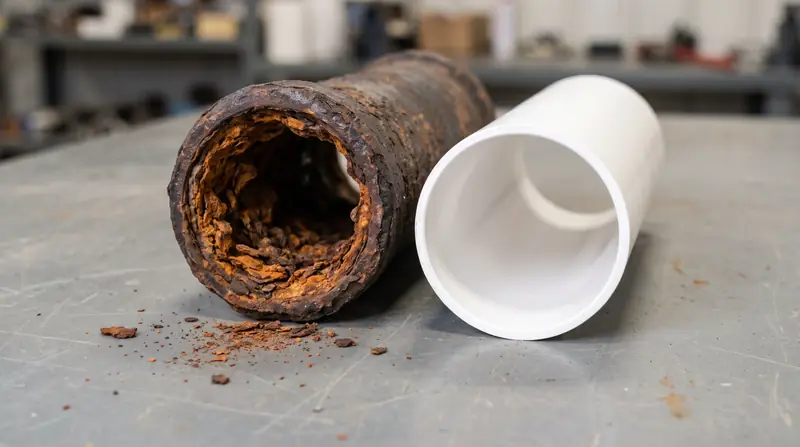
Cast Iron Sewer Pipe Problems in Older Homes
Cast iron sewer pipes can corrode, crack and clog with age. Learn the warning signs, why older homes are affected and what repair options exist.
Read more →
How to Read a Sewer Camera Inspection Report
Distance counters, clock positions and terms like offset or belly can be confusing. Here is how to read your sewer camera footage and report.
Read more →