Repairing a Sewer Line Under a Slab or Concrete Driveway
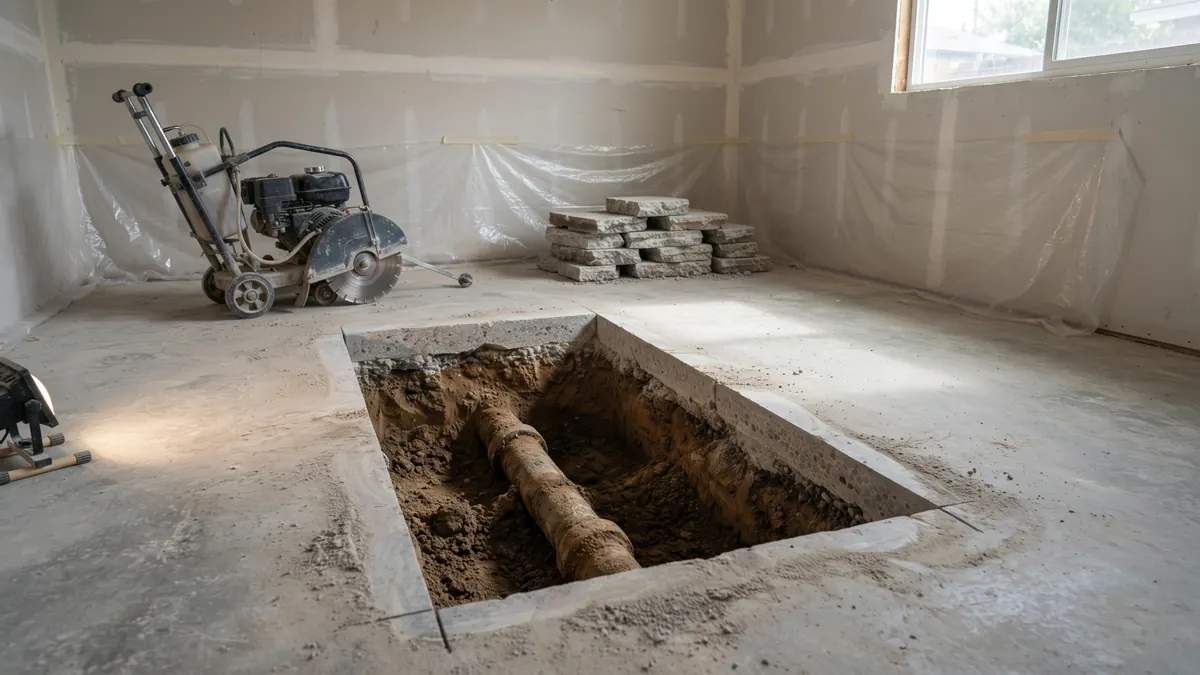
Table of contents
- Why a Line Under Concrete Is a Different Job
- The Main Approaches
- Break out the slab and repair from above
- Repair without opening the slab
- Pipe bursting
- Reroute outside the footprint
- What to Ask Before Work Begins
- Protecting the Home During the Work
- Signs the Problem May Be Under the Slab
- A Typical Sequence of Work
- Questions Homeowners Ask
- Can a line under a slab always be repaired without cutting concrete?
- Will the floor match afterward?
- Is a slab line more likely to fail?
- Sources and Further Reading
- Next Step
A sewer line under a slab or driveway is harder to reach, but it is not out of reach. Many homes in Southern California were built on concrete slabs, so the main drain often runs beneath the floor, and the same is true of lines that cross a driveway or patio. This guide explains the main ways such a line is repaired, what each approach involves and what to ask before anyone starts cutting concrete.
Why a Line Under Concrete Is a Different Job
When a pipe sits under a slab or driveway, the question is how to reach it. Cutting concrete, protecting the home, controlling dust and rebuilding the surface all become part of the work. The first step is always to confirm where the problem is. A sewer camera inspection records the pipe and a locator can mark its position from above, so concrete is opened in the right place, not guessed at.
The Main Approaches
Break out the slab and repair from above
The provider cuts a controlled opening in the slab, digs down to the pipe, repairs or replaces the damaged section and then backfills and patches the concrete. This is direct and lets the crew see the pipe and the soil, but it involves the most disturbance inside the home.
Repair without opening the slab
If the pipe is still sound enough, a liner or a patch can be installed from the inside through an existing access point such as a cleanout. This avoids cutting concrete. It works only when the pipe holds its shape and the damage is suited to the method. See pipe lining and how a liner is installed.
Pipe bursting
Where the old pipe is too damaged for a liner, pipe bursting can pull a new pipe through the old path from two access pits, as the EPA’s fact sheet describes. The pit locations matter a great deal when a slab or driveway is in the way, so ask where they would go.
Reroute outside the footprint
Sometimes a new line is installed around the slab, for example under a yard, and the old section is abandoned according to local rules. This can reduce work inside the house, but it needs room, a workable route and the approval of the city.
The right approach depends on where the damage is, how sound the rest of the pipe is and where access is practical. Confirm the location before any concrete is cut.
Confirm where the damage is before any concrete is cut.
What to Ask Before Work Begins
- Where exactly will the slab be opened, and how big is the opening?
- How will dust and debris be contained inside the home?
- What will be rebuilt afterward, such as concrete, flooring, baseboards or tile?
- Who handles permits and inspection? Many cities require both. The City of Cerritos posts a sewer permit application.
- What happens if something unexpected is found under the slab, and how is a change in scope approved?
Protecting the Home During the Work
Ask where furniture, flooring and belongings should be moved and how long water must be off. Concrete cutting is loud and can make dust, so plan for the household, pets and any work-from-home needs. Photograph the area before work starts so the condition is documented. Our guide to reading and comparing sewer repair estimates explains how to confirm that restoration is in the written scope.
Signs the Problem May Be Under the Slab
Not every symptom points to the slab, but these are worth noting:
- Sewer odor indoors that does not clear after refilling traps.
- Repeat backups at floor drains or the lowest fixtures.
- Dampness or staining on the floor or at the base of walls.
- A camera that shows damage at a distance that matches the area under the house.
- Slow drains throughout the home even after the main line has been cleaned.
A camera and locator confirm whether the damage is under the slab. See how contractors locate an underground sewer line.
A Typical Sequence of Work
- Confirm the location with camera footage and a locator.
- Arrange the permit and any inspection. See sewer repair permits.
- Protect the home by moving belongings, covering floors and sealing off the work area.
- Cut the opening in the slab and remove the concrete.
- Dig down to the pipe and make the repair or replacement.
- Test and inspect the new work, often with a camera.
- Backfill, compact and patch the concrete.
- Restore finishes such as flooring and baseboards, if they are in the scope.
Questions Homeowners Ask
Can a line under a slab always be repaired without cutting concrete?
No. It depends on the pipe’s condition and the type of damage. A liner needs a pipe that holds its shape, and a collapsed or badly sagging line may need excavation. A camera inspection shows which options are real.
Will the floor match afterward?
Concrete and floor coverings may not match the original exactly. Ask what the restoration includes and see examples if possible.
Is a slab line more likely to fail?
Not by itself, but older materials in older slab homes often share the same risks. Our guide on sewer line problems in 1960s homes covers what to look for.
Sources and Further Reading
- U.S. EPA: pipe bursting fact sheet
- ICC and NASSCO: existing sewer repair using trenchless methodology
- City of Cerritos: sewer permit application
Next Step
If you think the problem is under concrete, start by locating it. Call now to speak to a specialist at (562) 603-5090, available 24/7, and ask about a camera inspection.
Have a Question About Your Sewer Line?
Call any time to be connected with a local service provider and ask about a camera inspection and its cost. Or send a message and ask about your situation.
Related Guides

Trenchless vs Traditional Sewer Repair: Which Is Right for Your Home?
Digging a trench or working through small pits? Compare cost, time, yard damage and when each method makes sense.
Read more →
Sewer Line Problems in 1960s Homes in California
Homes built in the 1960s often have clay, cast iron or fiber sewer pipes now past 60 years old. Learn the common problems and how to check your line.
Read more →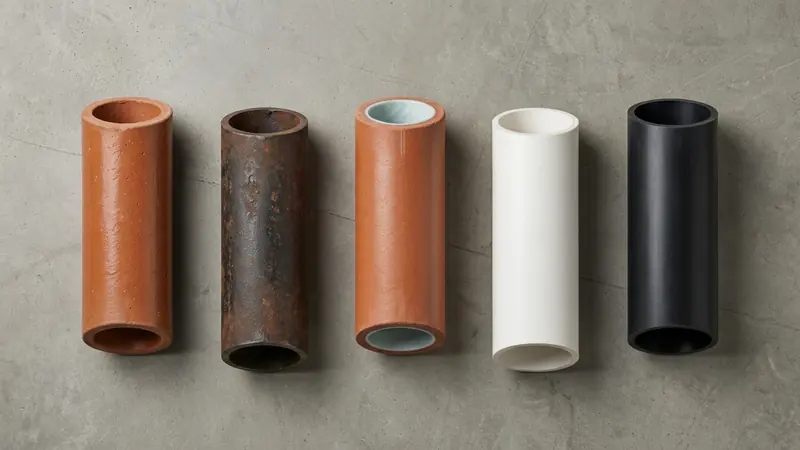
Sewer Line Repair Options: A Complete Guide to Every Method
Cleaning, spot repair, lining, pipe bursting and open-trench replacement: how each sewer repair method works and when each one is used.
Read more →