Shared Sewer Lateral Between Neighbors: Who Is Responsible
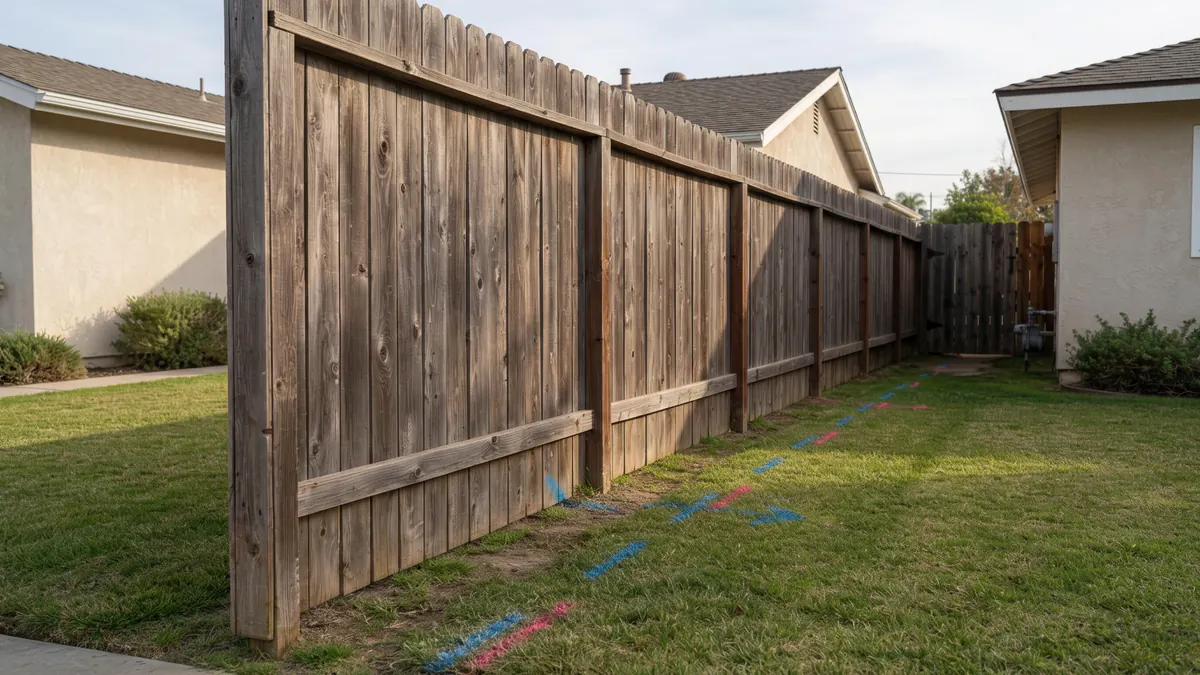
Table of contents
- What a Shared Lateral Is
- How to Find Out if You Share a Line
- Who Is Responsible
- Before a Problem Occurs
- When a Problem Occurs
- What a Written Agreement Might Cover
- Maintenance on a Shared Line
- Questions Homeowners Ask
- Can a neighbor refuse to share the cost?
- Does a shared line affect a home sale?
- Can the shared line be separated?
- Sources and Further Reading
- Next Step
A shared sewer lateral between neighbors is a situation that can turn a plumbing problem into a relationship problem, because one pipe serves two properties and responsibility is not always obvious. It is more common than many owners realize, especially in older neighborhoods, duplexes and homes with additions. This guide explains how shared lines work, how to find out whether you have one and what to do before and after a problem. It is general information, not legal advice.
What a Shared Lateral Is
A normal lateral serves one home and connects to the public main. A shared lateral serves two or more properties through a single connection. Part of it may lie on a neighbor’s land or cross a property line, and each home’s drain may join it at a different point. It can happen with older subdivisions, with duplexes and with accessory units. See ADU sewer line connection in California.
How to Find Out if You Share a Line
- Ask your city or sanitation district for records on the connection.
- Get a camera inspection and locating. A camera with a transmitter can follow the line and show where it goes and whether another home connects. See how contractors locate an underground sewer line.
- Check your property documents for easements or shared utility language.
- Talk to your neighbor. They may know the history of the line.
Who Is Responsible
Responsibility depends on local rules, any recorded agreements and the facts. In much of Los Angeles County the property owner is responsible for the private lateral, as the county’s sewer maintenance newsletter explains, but that does not settle how the cost is divided where a line is shared. Our guide on who is responsible for the sewer lateral explains the basics. A written agreement, a recorded easement or a city requirement may settle it, so check those first.
Find out whether you share a line before a problem occurs. Knowing the layout and having a written understanding makes a repair much easier.
Find out whether you share a line before a problem occurs.
Before a Problem Occurs
- Confirm the layout with a camera and locator.
- Locate the cleanouts for each home. See where the cleanout is.
- Discuss responsibility with your neighbor in advance and consider putting any agreement in writing.
- Keep records of inspections and maintenance.
When a Problem Occurs
- Stop using water and let your neighbor know, since the blockage may affect them too.
- Inspect the line. A camera shows where the problem is and which section is affected.
- Agree on the work and the cost split in writing before major repairs, if you can.
- Check permits. Work on a shared line may involve both properties. See sewer repair permits.
If you cannot agree, consider mediation or advice from an attorney.
What a Written Agreement Might Cover
If you and your neighbor decide to document how you will handle the line, consider covering:
- A description of the line and who is connected to it.
- How costs are divided for inspection, cleaning and repair.
- How decisions are made and who approves major work.
- Access rights for crews to enter each property.
- How notice is given when a problem occurs.
- What happens if one property is sold.
An attorney can help put an agreement in proper form.
Maintenance on a Shared Line
A shared line gets used by more people, so maintenance matters. Agree on periodic inspection, keep cleanouts accessible and share footage and records. See sewer line maintenance checklist.
Questions Homeowners Ask
Can a neighbor refuse to share the cost?
It depends on the facts, local rules and any agreement. Speak with an attorney if there is a dispute.
Does a shared line affect a home sale?
It can, since buyers and lenders may ask about it. See selling a house with sewer line problems.
Can the shared line be separated?
Sometimes a separate connection can be installed, subject to city approval and practicality.
Sources and Further Reading
Next Step
If you think your home shares a sewer line, a camera and locator can show the layout. Call now to speak to a specialist at (562) 603-5090, available 24/7. Cerritos Sewer Co. does not provide legal advice.
Have a Question About Your Sewer Line?
Call any time to be connected with a local service provider and ask about a camera inspection and its cost. Or send a message and ask about your situation.
Related Guides
Sewer Lateral Responsibility: What You Own and What the City Owns
Who pays when a sewer line fails? Learn how the private lateral differs from the public main, what renters should do and why local rules matter.
Read more →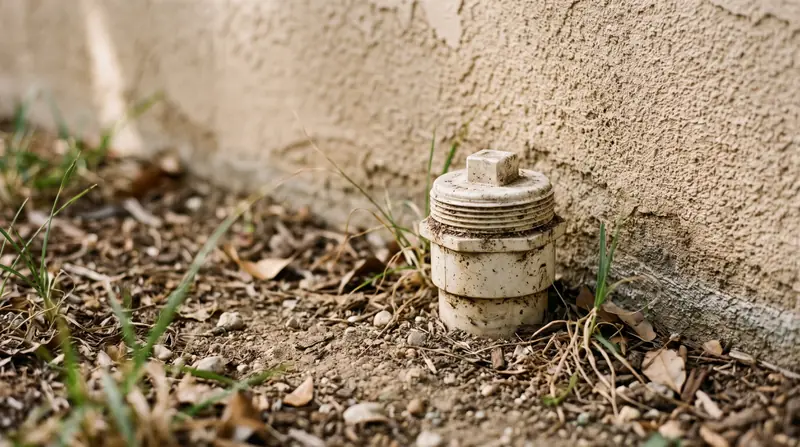
Where Is My Sewer Cleanout? How to Find It and Why It Matters
Learn where a sewer cleanout is usually located, how to recognize it and why finding it before a backup helps a service provider reach your line faster.
Read more →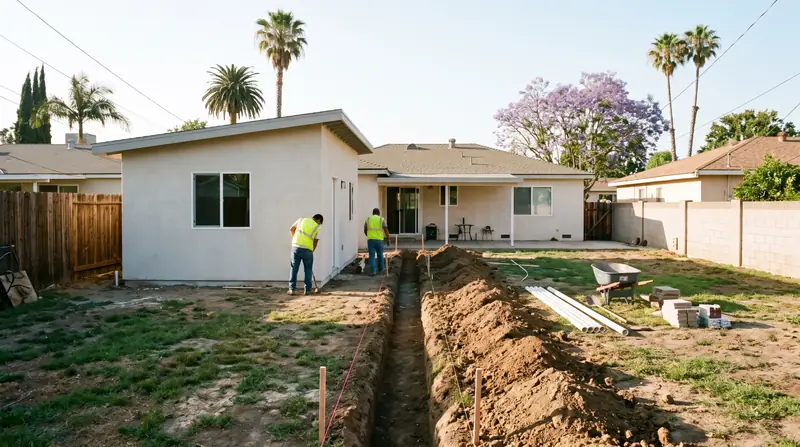
Adding an ADU: What to Know About Your Sewer Line Connection
Planning an accessory dwelling unit in California? Learn how your sewer lateral, permits and a camera inspection fit into the plan before you build.
Read more →