Collapsed Sewer Line: Signs, Causes and Repair Paths
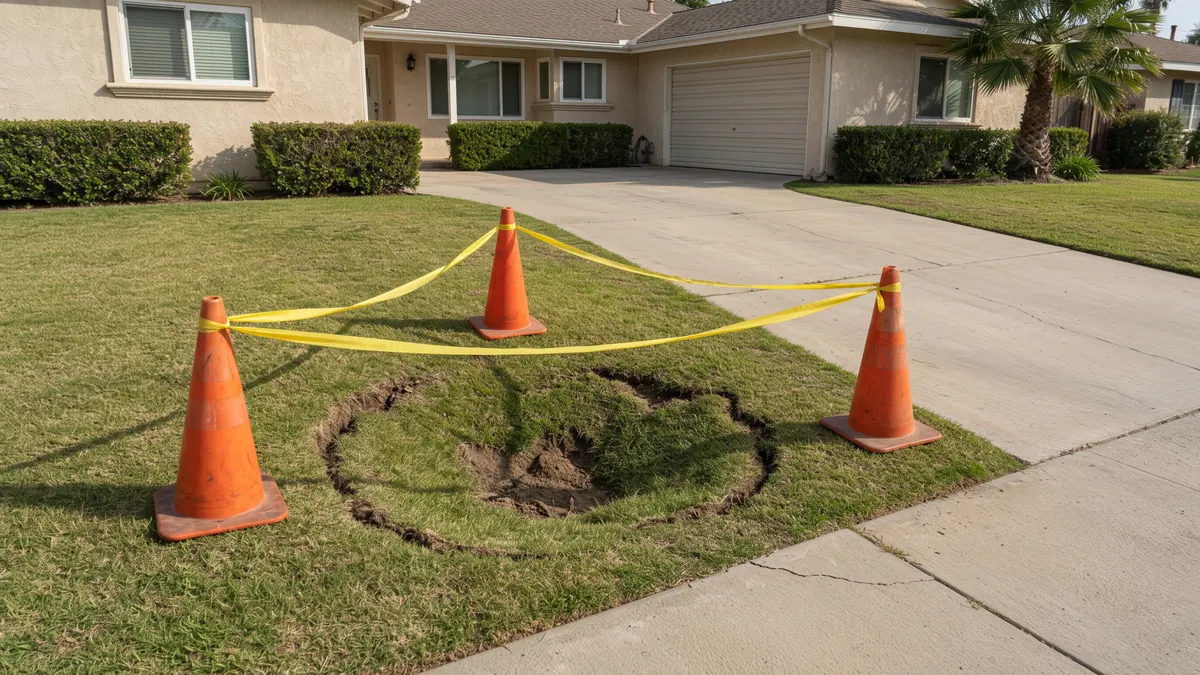
Table of contents
- What a Collapse Is
- Warning Signs
- What Causes a Collapse
- Repair Paths
- Before the Repair
- Immediate Steps If You Suspect a Collapse
- Why the Whole Line Should Be Checked
- Questions Homeowners Ask
- Can a collapsed line repair itself?
- Is the whole line always replaced?
- Is a sinkhole always a collapsed sewer line?
- Sources and Further Reading
- Next Step
A collapsed sewer line is one of the more serious pipe failures, because part of the pipe has caved in or closed, so wastewater cannot pass. It often shows up as repeated backups and sometimes as a sunken patch in the yard. This guide explains the warning signs, what usually causes a collapse and which repair paths are worth discussing, so you can act promptly if you suspect one.
What a Collapse Is
A collapse happens when the pipe wall can no longer hold its shape under the weight and pressure of the soil above and around it. The pipe may fracture, flatten or cave in. In the worst case, a section is blocked and the camera cannot pass it.
Warning Signs
- Repeated or severe backups that clearing does not fix.
- No flow or very slow flow from several drains.
- Sunken, soggy or sinking ground over the pipe’s path. See signs of a broken sewer line in your yard.
- Sewer odors outside the home.
- A camera that cannot get through a section of the line.
These signs can have other causes, so a sewer camera inspection is how you confirm it.
A collapse is not something to wait out. If a line is blocked and not clearing, stop using water and get it looked at.
A collapsed line does not repair itself, so get it looked at promptly.
What Causes a Collapse
- Age and material. Fiber pipe such as Orangeburg can soften and deform, and older clay or cast iron can crack and fail. See sewer line problems in 1960s homes.
- Heavy loads above the pipe.
- Ground movement from settlement, drainage changes or seismic activity.
- Tree roots that damage the pipe over time.
- Past excavation that left the pipe unsupported.
Repair Paths
- Open-trench replacement. Digs out the failed section or the whole line and installs new pipe. This is often used for a collapse because the crew can see and fix the ground.
- Pipe bursting. In some cases a new pipe can be pulled through the old path. Conditions and the nature of the failure decide. See the EPA pipe bursting fact sheet and our guide to pipe bursting vs pipe lining.
- Lining. Usually not an option where the pipe has caved in, because a liner needs a pipe that holds its shape.
Our guide to sewer line repair options shows the full range.
Before the Repair
- Get a camera inspection so the location and extent are clear.
- Ask about the whole line, not only the collapsed section, since neighboring pipe may be failing too.
- Plan for temporary water limits.
- Check permits with your provider. See sewer repair permits.
Immediate Steps If You Suspect a Collapse
- Stop using water so more wastewater does not back up.
- Do not open the cleanout if sewage is backed up behind it unless you are trained.
- Keep children and pets away from any sunken or soft ground.
- Avoid driving or parking over a sunken area.
- Take photos of the ground and any backup.
- Call for help. See emergency sewer repair.
Why the Whole Line Should Be Checked
If one section failed, the rest of the pipe is likely the same age and material. A camera inspection of the entire line, from the cleanout to the connection, shows whether other sections are close to failing. That information helps decide between a short repair and a longer one. See spot repair vs full replacement.
Questions Homeowners Ask
Can a collapsed line repair itself?
No. A collapsed section stays collapsed and usually gets worse.
Is the whole line always replaced?
Not always. Sometimes only the failed section is replaced, but the rest of the pipe should be inspected before deciding.
Is a sinkhole always a collapsed sewer line?
No. Sunken ground can come from other causes such as a leaking water line or settlement. A camera and a locator help find the cause.
Sources and Further Reading
Next Step
If you think a line has collapsed, call now to speak to a specialist at (562) 603-5090, available 24/7, and stop using water until it is checked.
Have a Question About Your Sewer Line?
Call any time to be connected with a local service provider and ask about a camera inspection and its cost. Or send a message and ask about your situation.
Related Guides
Signs of a Broken Sewer Line in Your Yard
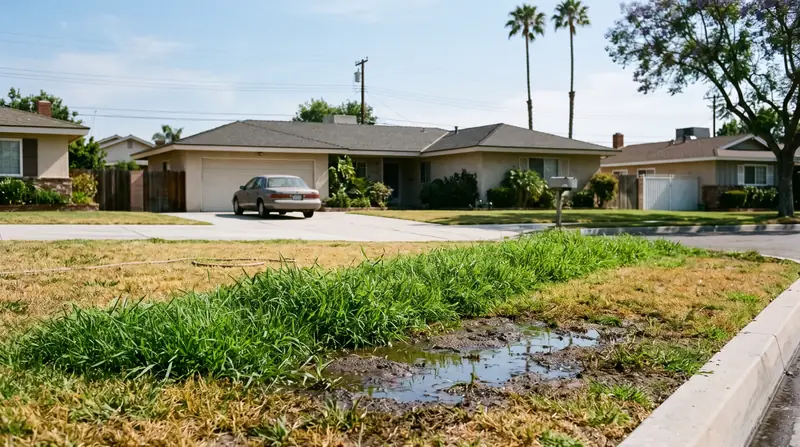
Soggy ground, a greener patch of lawn, sewage smells and sinking soil can point to a broken sewer line. Learn the warning signs and what to do next.
Read more →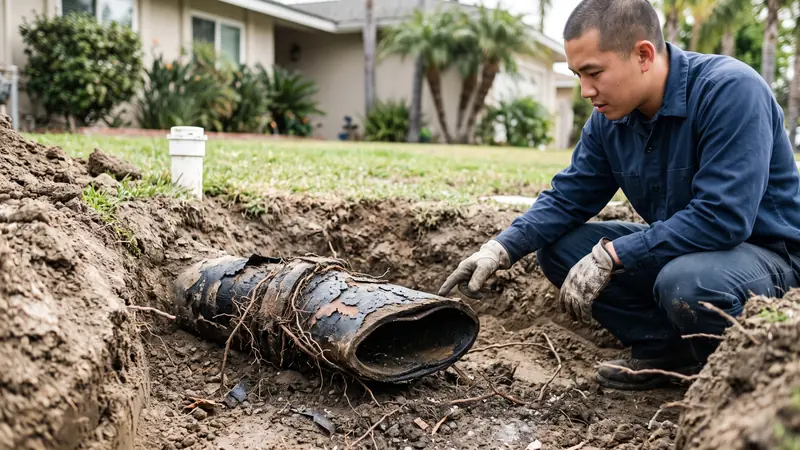
Orangeburg Pipe: How to Tell If Your Home Has It
Orangeburg pipe was used in many post-war homes, and it is now flattening and failing. Here is how to spot it and what to do next.
Read more →
Sewer Line Problems in 1960s Homes in California
Homes built in the 1960s often have clay, cast iron or fiber sewer pipes now past 60 years old. Learn the common problems and how to check your line.
Read more →