Low-Flow Toilets and Sewer Clogs: What California Homeowners Should Know
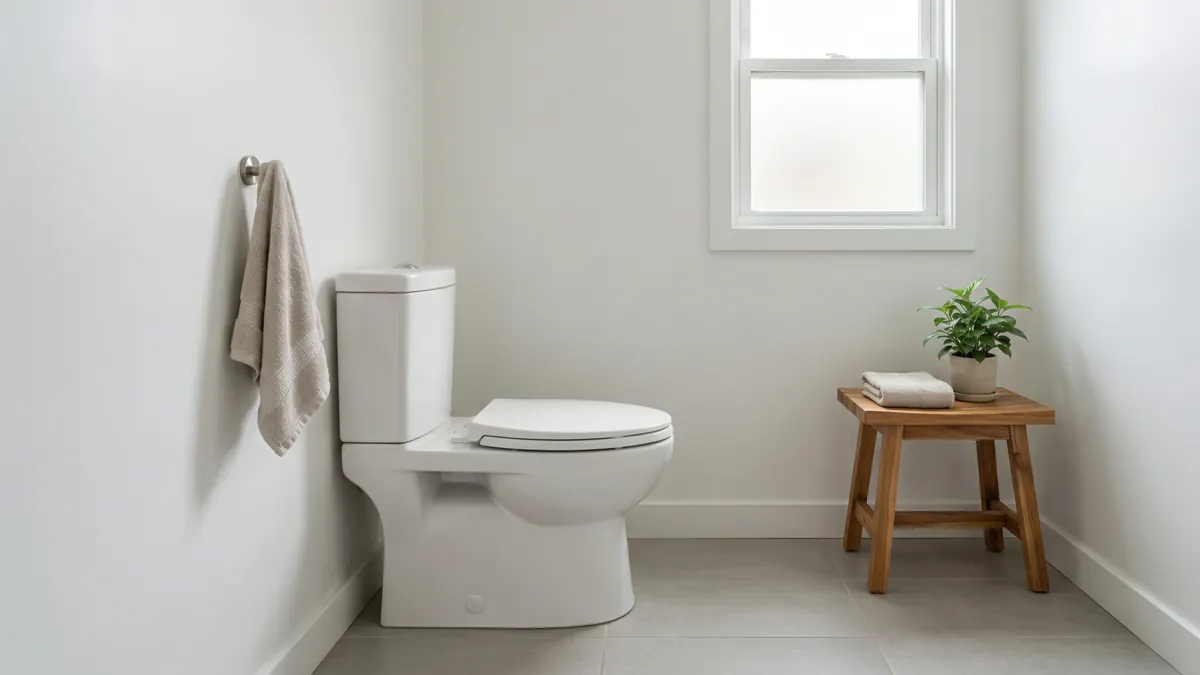
Table of contents
- What Low-Flow Toilets Are
- What the Research Found
- Where Problems Do Come From
- If You Have a Low-Flow Toilet and Frequent Clogs
- Conserving Water Without Harming the Line
- Water-Saving Habits That Are Pipe-Friendly
- When the Toilet Itself Is the Problem
- Questions Homeowners Ask
- Do I need to flush twice with a low-flow toilet?
- Should I replace a low-flow toilet with an older one?
- Can a low-flow toilet make a belly worse?
- Sources and Further Reading
- Next Step
Many California homeowners wonder whether low-flow toilets cause sewer clogs, especially after drought-era water-saving efforts. The evidence from federal research is reassuring: water-efficient toilets have not been shown to cause waste transport problems in building drain lines or sewers. If a line is clogging, other causes are more likely. This guide explains what the research found and what usually causes trouble instead.
What Low-Flow Toilets Are
Federal rules set a maximum flush volume for toilets, and WaterSense labeled models go further. The EPA’s WaterSense toilets page explains that WaterSense toilets use 1.28 gallons per flush or less. They are independently certified for performance, including the ability to carry waste through a drain line.
What the Research Found
EPA’s WaterSense program answered this exact concern in its frequently asked questions on high-efficiency toilets. It states that there is no evidence that waste transport problems occur because of low-flow toilets, and that a drainline study completed in 2004 concluded that high-efficiency toilets flushing with as little as 1 gallon provide sufficient water in residential applications to move waste from the fixtures to the sewer. It also says transport of waste has not proven to be an issue in municipal sewer lines in areas with many high-efficiency toilets.
The available evidence does not show that low-flow toilets cause sewer clogs. A repeat clog usually has a cause in the pipe or in what is being flushed.
The evidence does not show that low-flow toilets cause sewer clogs.
Where Problems Do Come From
- Wipes and other items that do not break down. See flushable wipes and what not to flush.
- Roots, sags and offsets in the line. See why a sewer line keeps clogging, bellied sewer lines and tree roots in sewer lines.
- Grease buildup. See grease and sewer clogs.
- Aging pipe with rough walls or damage.
A long, flat or bellied line has less margin for error, so a line that was only marginal may show problems sooner. That is a pipe issue, not a toilet issue.
If You Have a Low-Flow Toilet and Frequent Clogs
- Check what is being flushed. Remove anything other than toilet paper and human waste.
- Check the toilet itself. A partial clog at the toilet or a flush that is not working properly can be mistaken for a sewer problem. A plumber can check it.
- Check the main line. A camera inspection shows whether the line has a defect.
- Match the fix to the cause. See sewer line repair options.
Conserving Water Without Harming the Line
Using water-efficient fixtures is a good practice, and it does not need to be given up for the sake of the sewer. Keep other water use sensible, avoid flushing items that do not belong and keep the line maintained. Our maintenance checklist lists a sensible routine.
Water-Saving Habits That Are Pipe-Friendly
You can save water without harming the line. Fix leaking toilets and faucets, use full loads in the washer and dishwasher, and use water-efficient fixtures. Keep non-flushable items out of the toilet and grease out of the kitchen drain. Our maintenance checklist lists routine care that helps any line.
When the Toilet Itself Is the Problem
If one toilet flushes weakly or clogs often while others are fine, the toilet may be the cause. A partial blockage in its trap, a worn flapper or a restricted rim can all affect performance. A plumber can check it. If every fixture is affected, look at the main line instead.
Questions Homeowners Ask
Do I need to flush twice with a low-flow toilet?
A modern, properly working toilet should not need it. If you flush twice often, have the toilet checked.
Should I replace a low-flow toilet with an older one?
Generally no. The problem is more likely elsewhere. Find the cause first.
Can a low-flow toilet make a belly worse?
A line with a sag holds waste regardless of the toilet. Fixing the sag is the real remedy.
Sources and Further Reading
Next Step
If your line keeps clogging, find the cause instead of changing fixtures. Call now to speak to a specialist at (562) 603-5090, available 24/7.
Have a Question About Your Sewer Line?
Call any time to be connected with a local service provider and ask about a camera inspection and its cost. Or send a message and ask about your situation.
Related Guides
Are Flushable Wipes Safe for Your Sewer Line?
The package says flushable, but your sewer line may disagree. Why wipes cause clogs and what to flush instead.
Read more →
Slow Drain or Main Line Clog? How to Tell the Difference
One slow sink or a failing main sewer line? Learn the signs, a safe at-home check and when to call a service provider about a camera inspection.
Read more →
Sewer Line Maintenance Checklist for Older Homes
Simple monthly, yearly and every-few-years steps that keep an older sewer line flowing and catch problems before they become backups.
Read more →